Bullnose Ray (Myliobatis freminvillei): The Bold Contender of Coastal Waters
The Bullnose Ray, Myliobatis freminvillei, is a striking member of the eagle ray family that commands attention with its distinctive snub-nosed profile and graceful swimming style. This species is a standout in shallow marine environments, combining a robust build with agile movement. For anyone serious about understanding coastal ray species, the Bullnose Ray offers a fascinating study in adaptation and ecological role.
What Makes the Bullnose Ray Unique?
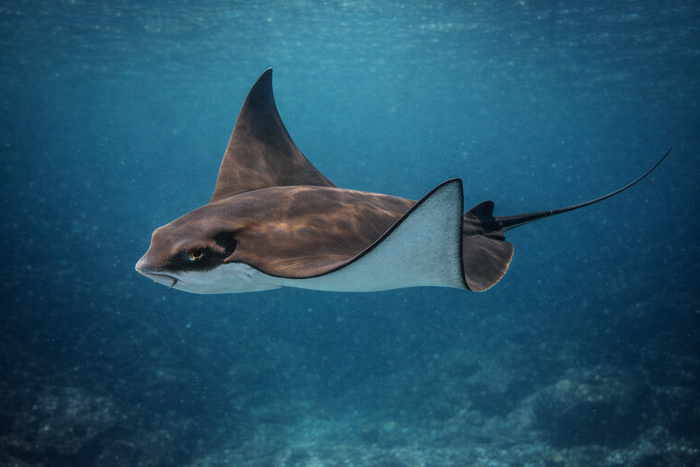
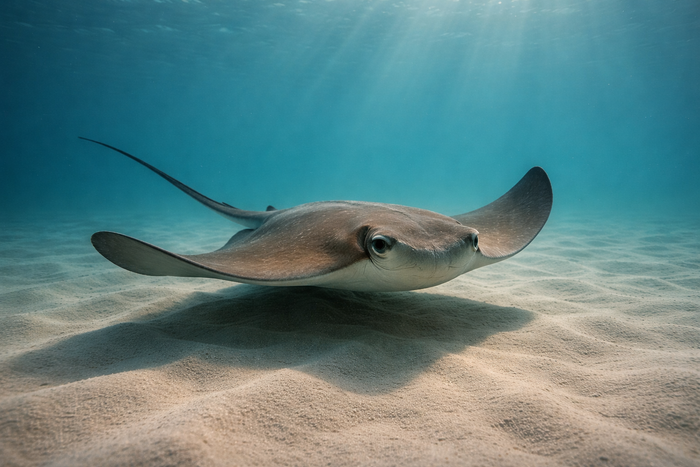
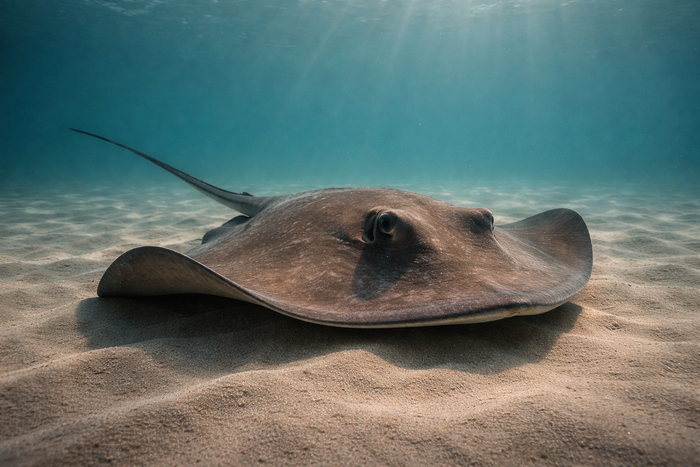
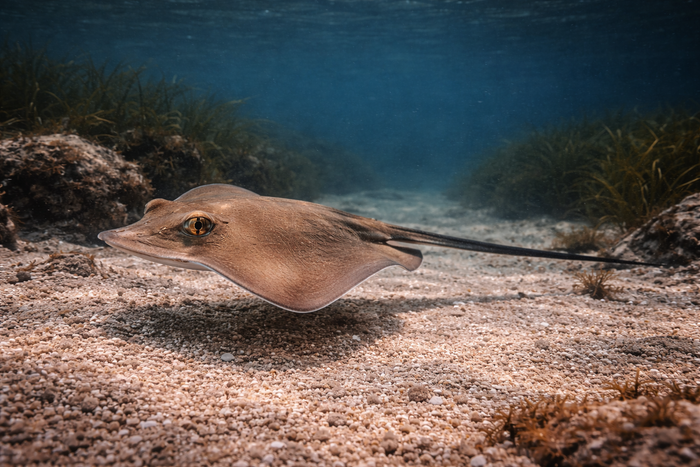
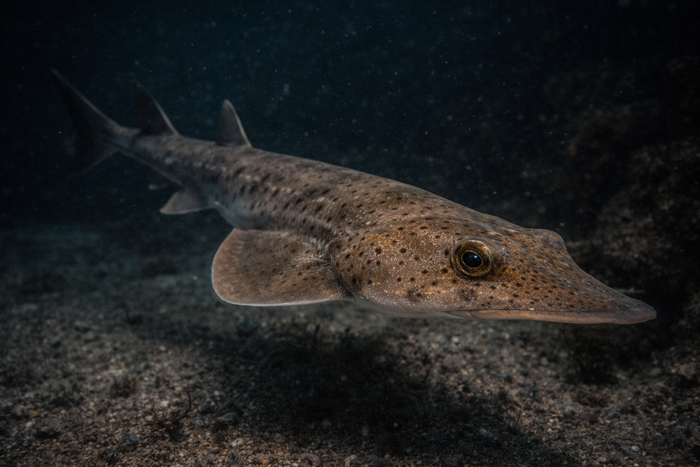
The Bullnose Ray’s most defining feature is its blunt, rounded snout—hence the name “bullnose.” Unlike other eagle rays with more pointed or angular heads, this ray’s nose gives it a solid, almost bulldog-like appearance. Its disc is broad and diamond-shaped, with pectoral fins that ripple like wings when it glides through the water. The coloration is typically a muted gray or brown on top, blending seamlessly with sandy or muddy bottoms, while the underside is pale, aiding in camouflage from predators below.
Another unique trait is its feeding strategy. The Bullnose Ray uses its strong jaws and specialized crushing teeth to break open hard-shelled prey like mollusks and crustaceans. This ray isn’t just a pretty face; it’s a functional predator adapted to exploit benthic food sources that many other fish can’t handle.
Habitat & Global Range
Bullnose Rays are primarily found along the western Atlantic coast, ranging from the southeastern United States down through the Gulf of Mexico and into northern South America. Their preferred Bullnose Ray habitat includes shallow coastal waters, estuaries, and bays where sandy or muddy substrates dominate. These environments provide ample feeding opportunities and shelter.
They tend to stay in waters less than 50 meters deep but can occasionally venture deeper. The Bullnose Ray’s affinity for warm, temperate to tropical waters means they are most active in regions where water temperatures support year-round foraging. This species is also known to tolerate brackish conditions, making estuaries critical nursery grounds.
Behavior & Temperament
The Bullnose Ray is a solitary hunter, cruising the seafloor with a slow, deliberate grace. It uses electroreceptors to detect prey buried in sediment, then uncovers and crushes it with powerful jaws. Unlike some rays that rely on speed or ambush, the Bullnose Ray’s methodical approach suits its benthic lifestyle.
Temperament-wise, this ray is generally non-aggressive toward humans but will defend itself if provoked. It’s not a species to mess with casually, given its strong tail spine. However, it’s not known for aggressive encounters and tends to avoid confrontation by swimming away when disturbed.
Ecological Importance
Bullnose Rays play a crucial role in maintaining the balance of benthic ecosystems. By preying on mollusks and crustaceans, they help regulate populations that could otherwise overwhelm the substrate environment. Their feeding activity also aerates the sediment, promoting nutrient cycling and supporting a healthy benthic community.
As mid-level predators, Bullnose Rays are an important link in the food web. They serve as prey for larger sharks and marine mammals, contributing to the overall biodiversity and energy flow within their ecosystem. Their presence is a good indicator of healthy coastal habitats.
Conservation & Environmental Pressures
Despite their resilience, Bullnose Rays face mounting pressures from habitat degradation, pollution, and fishing activities. Coastal development and water pollution threaten the estuaries and shallow bays they depend on for feeding and breeding. Bycatch in commercial fisheries also impacts their populations, as they are often caught unintentionally in nets targeting other species.
Climate change adds another layer of risk by altering water temperatures and salinity levels, potentially disrupting Bullnose Ray habitat and prey availability. While not currently listed as endangered, local declines have been reported, signaling the need for monitoring and protective measures.
The FishyAF Take
The Bullnose Ray is a fascinating species that deserves more attention than it gets. Its unique morphology and specialized feeding habits make it a key player in coastal ecosystems. If you’re diving or fishing in Bullnose Ray habitat, respect their space and appreciate their role in the underwater world.
Understanding Bullnose Ray facts and habitat is essential for conservation efforts. These rays remind us that even the less flashy marine creatures have complex lives and vital ecological functions. Keep an eye out for the bullnose’s unmistakable profile next time you’re nearshore—it’s a bold reminder of the diversity beneath the waves.