Bluntnose Stingray (Hypanus say): The Bottom-Dweller with a Sting That Commands Respect
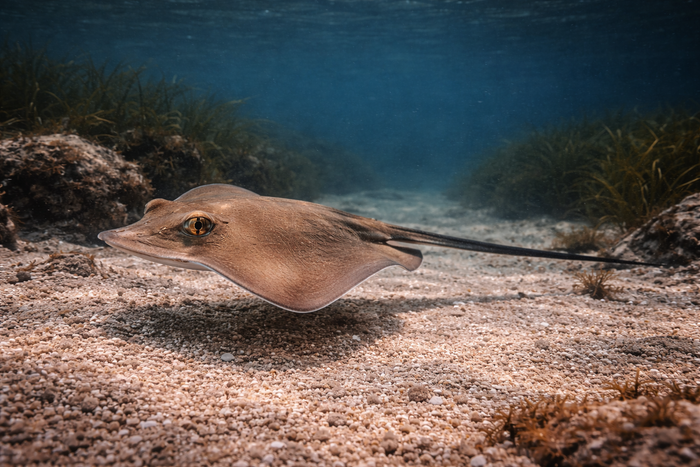
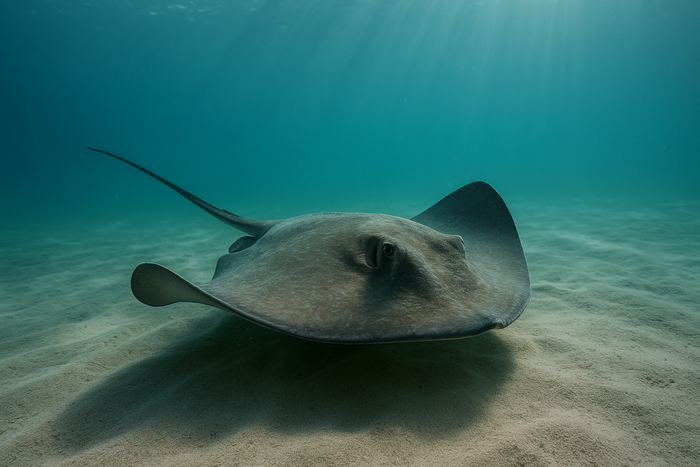
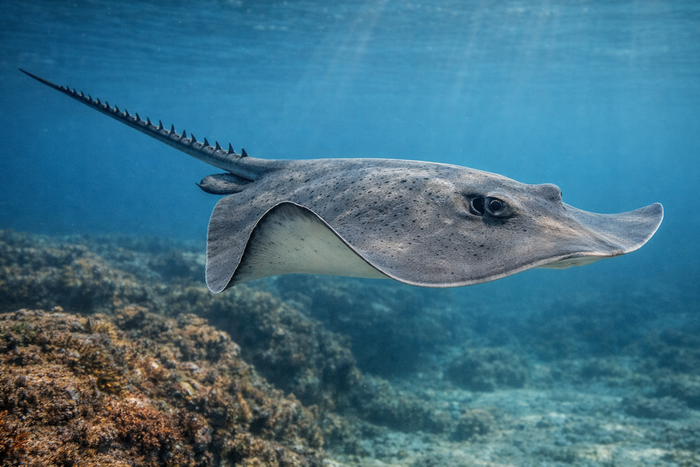
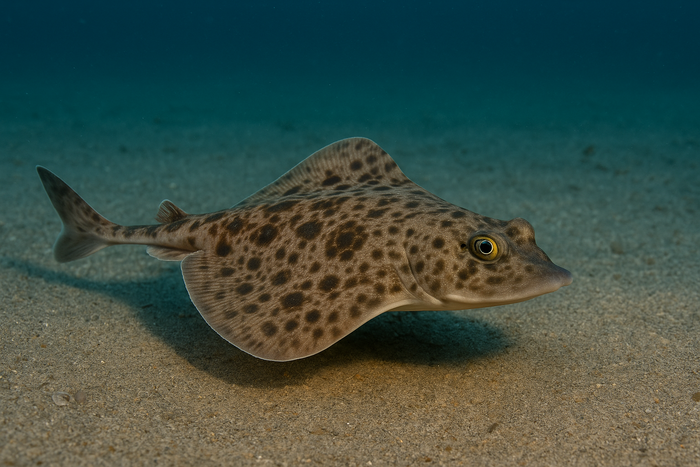
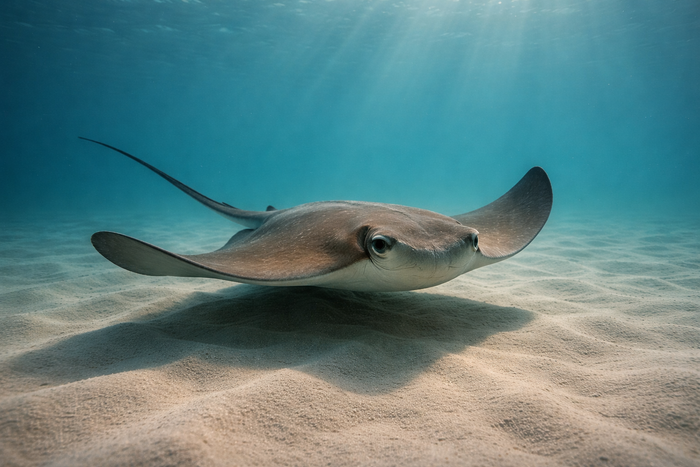
The Bluntnose Stingray, Hypanus say, is one of those marine creatures that grabs your attention with its flat, diamond-shaped body and a tail armed with a venomous barb. This stingray isn’t just another bottom feeder; it’s a master of camouflage and a vital player in coastal ecosystems. Known for its blunt snout and smooth, sandy coloration, the Bluntnose Stingray blends seamlessly into the ocean floor, making it a stealthy predator and a fascinating subject for anyone serious about marine life. If you want to know what makes this stingray stand out in the crowded world of cartilaginous fish, you’re in the right place.
What Makes the Bluntnose Stingray Unique?
The Bluntnose Stingray’s most distinctive feature is its rounded, blunt snout, which sets it apart from other stingray species that often have pointed or more angular noses. This adaptation isn’t just a quirk of evolution; it plays a role in how the ray hunts and navigates its environment. Its body is covered with tiny dermal denticles, giving it a rough texture that helps reduce drag and provides some protection against predators.
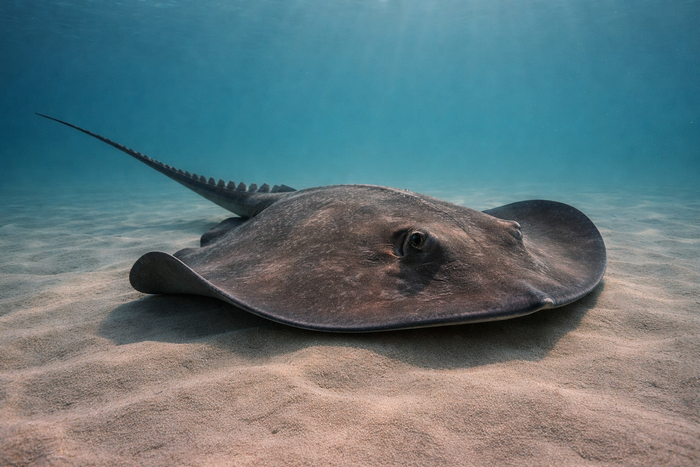
Unlike some stingrays that prefer deeper waters, the Bluntnose Stingray is a shallow-water specialist. It’s built for life on sandy or muddy bottoms where it can bury itself almost completely, leaving only its eyes and spiracles exposed. This behavior is a clever survival tactic, allowing it to ambush prey like small fish, crustaceans, and mollusks.
Its venomous tail spine is a defensive weapon, not an offensive one. The stingray uses it only when threatened, delivering a painful sting that can deter predators and careless humans alike. The venom is potent enough to cause serious injury, so handling this species requires respect and caution.
Habitat & Global Range
Bluntnose Stingray habitat is primarily coastal and estuarine waters along the western Atlantic Ocean. You’ll find them from the Chesapeake Bay down through the Gulf of Mexico and along the coasts of Central and South America. They prefer warm, shallow waters, often less than 30 meters deep, where sandy or muddy bottoms dominate.
This stingray thrives in environments where freshwater mixes with saltwater, such as bays, estuaries, and lagoons. These areas provide abundant food sources and shelter from larger oceanic predators. Seasonal migrations are common, with rays moving to warmer waters during colder months, showcasing their adaptability to changing conditions.
Behavior & Temperament
The Bluntnose Stingray is a solitary, bottom-dwelling hunter. It spends much of its time buried under sediment, waiting for unsuspecting prey to wander close. Its feeding strategy is a mix of stealth and sudden bursts of speed, using electroreceptors to detect the faint electrical signals emitted by prey hiding beneath the sand.
Despite its fearsome tail spine, the Bluntnose Stingray is not aggressive. It prefers to avoid confrontation and will only sting if provoked or stepped on. This makes it a generally docile creature, but one that demands respect from divers and fishermen.
Reproduction involves internal fertilization, with females giving birth to live young after a gestation period. The pups are miniature versions of adults, fully equipped to survive on their own from birth. This reproductive strategy supports stable populations in their preferred habitats.
Ecological Importance
Bluntnose Stingrays play a crucial role in maintaining the health of benthic ecosystems. By preying on bottom-dwelling invertebrates and small fish, they help regulate populations that could otherwise explode and disrupt the balance. Their foraging behavior also aerates the sediment, promoting nutrient cycling and supporting the overall productivity of the habitat.
They serve as prey for larger predators like sharks and larger fish species, fitting neatly into the food web. Their presence is an indicator of healthy coastal environments, as they require clean, well-oxygenated waters with abundant food.
Conservation & Environmental Pressures
While not currently listed as endangered, the Bluntnose Stingray faces several environmental pressures that could impact its populations. Coastal development, pollution, and habitat degradation threaten the shallow waters they call home. Estuarine environments are particularly vulnerable to runoff and sedimentation, which can reduce water quality and food availability.
Bycatch in commercial and recreational fisheries is another concern. Stingrays often get caught unintentionally in nets and lines, leading to injury or death. Although they are not a primary target species, their slow reproductive rate means population recovery from heavy losses can be slow.
Climate change adds another layer of complexity. Rising water temperatures and changing salinity patterns in estuaries could alter Bluntnose Stingray habitat, forcing them to adapt or relocate. Monitoring and protective measures are essential to ensure this species continues to thrive.
The FishyAF Take
The Bluntnose Stingray is a prime example of how evolution crafts creatures perfectly suited for their niche. It’s not flashy or aggressive, but it commands respect through its subtle adaptations and ecological role. For anglers, divers, and marine enthusiasts, understanding Bluntnose Stingray facts is crucial for appreciating these bottom-dwellers beyond their sting.
If you’re exploring coastal waters where these rays roam, remember they’re not just passive residents. They’re active participants in the ecosystem, balancing prey populations and contributing to habitat health. Treat them with caution and curiosity, and you’ll gain a deeper appreciation for one of the ocean’s most understated yet fascinating species.
In short, the Bluntnose Stingray is a bold, memorable presence on the seafloor—quietly powerful, perfectly adapted, and deserving of a spot in any serious marine species guide.