Southern Stingray (Hypanus americanus): The Ocean’s Flat, Fearless Bottom Dweller
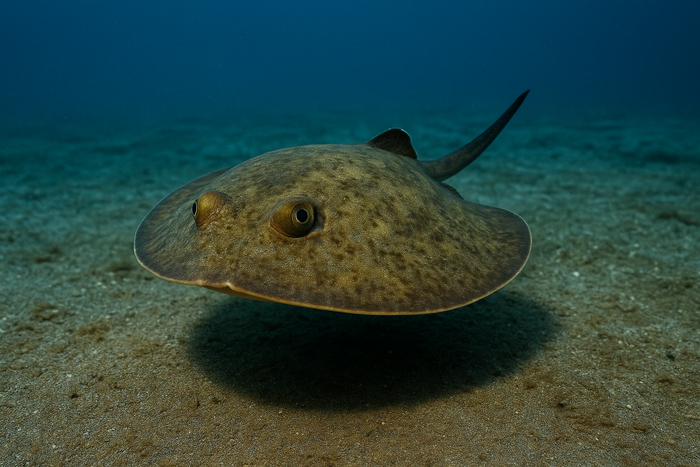
The Southern Stingray is a striking presence in coastal waters, known for its flat, diamond-shaped body and whip-like tail. It’s not just another ray gliding silently over the seabed; this species commands attention with its bold movements and distinctive appearance. Southern Stingray facts reveal a creature perfectly adapted to life on the ocean floor, blending stealth with surprising agility. If you think stingrays are all the same, think again. Hypanus americanus stands out as a master of disguise and defense in the shallow waters of the western Atlantic.
What Makes the Southern Stingray Unique?
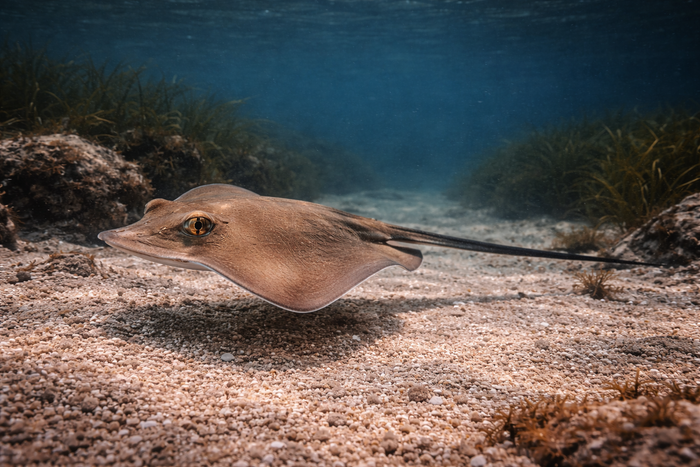
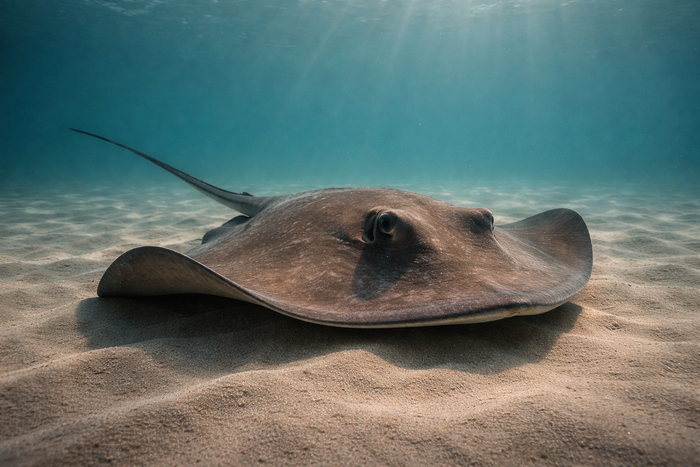
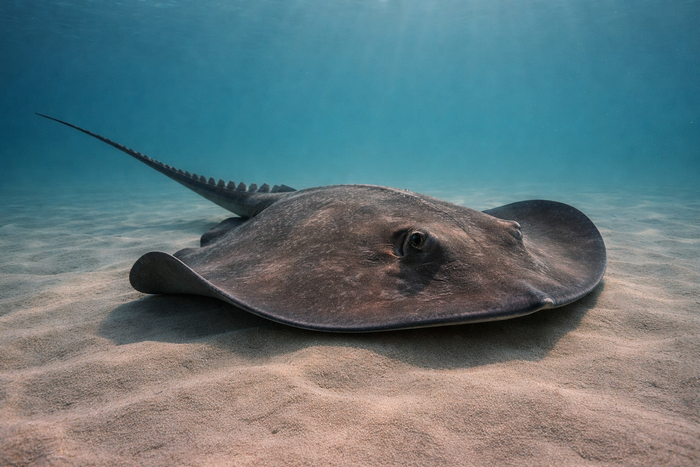
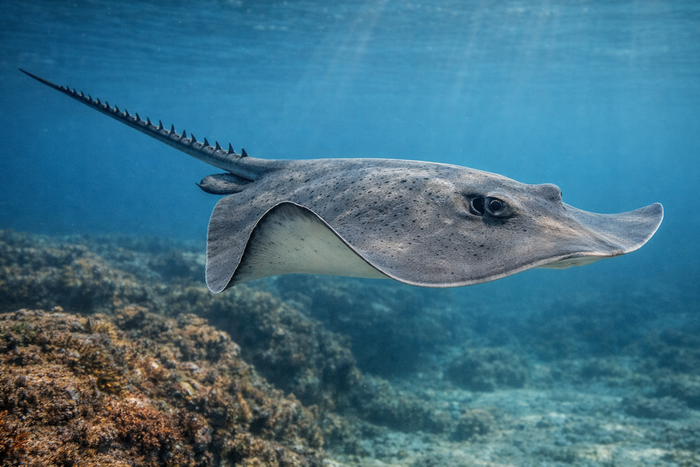
Southern Stingrays are not your average flatfish. Their bodies are a smooth, leathery canvas, usually brown or gray with subtle patterns that help them vanish into sandy or muddy bottoms. Unlike some relatives, they have a relatively short tail armed with one or more venomous spines—a built-in security system that demands respect. Their eyes and spiracles sit atop their bodies, allowing them to breathe and watch for predators while buried under the sand.
One standout feature is their feeding strategy. Southern Stingrays use electroreceptors to detect prey hidden beneath the substrate. This sensory superpower lets them zero in on crustaceans, mollusks, and small fish with surgical precision. They then use their powerful jaws to crush shells, a testament to their role as effective benthic predators.
Habitat & Global Range
Southern Stingray habitat spans the warm, shallow coastal waters of the western Atlantic Ocean, from New Jersey down through the Gulf of Mexico and Caribbean Sea, reaching as far south as Brazil. They prefer sandy or muddy bottoms near coral reefs, seagrass beds, and estuaries. These environments provide both food and shelter, making them ideal hunting grounds.
Their ability to tolerate a range of salinities means they often venture into brackish waters, including bays and river mouths. This adaptability extends their reach and influences local ecosystems. Southern Stingray habitat is a crucial factor in their survival, as these rays rely on specific bottom types for camouflage and hunting.
Behavior & Temperament
Southern Stingrays are generally solitary and secretive, spending much of their time partially buried in the sediment. They are nocturnal hunters, emerging under the cover of darkness to forage. Despite their cautious nature, they can be surprisingly bold when disturbed, often swimming away with a quick, graceful flick of their pectoral fins.
Their temperament is calm but defensive. The venomous spine on their tail is a last resort, used only when they feel threatened. Unlike the aggressive image stingrays sometimes get, Southern Stingrays prefer to avoid confrontation. They are curious but cautious, and divers who approach slowly and respectfully often get a close look at these fascinating creatures.
Ecological Importance
Southern Stingrays play a vital role in maintaining the health of benthic ecosystems. By preying on bottom-dwelling invertebrates, they help regulate populations of crabs, shrimp, and mollusks, preventing any one species from dominating the habitat. Their foraging behavior also stirs up the sediment, promoting nutrient cycling and oxygenation of the sea floor.
This species serves as prey for larger predators, including sharks and groupers, making them an integral link in the marine food web. Their presence indicates a balanced ecosystem, where predator and prey coexist in dynamic equilibrium. Understanding Southern Stingray facts is key to appreciating their contribution to ocean health.
Conservation & Environmental Pressures
Southern Stingrays face several environmental pressures, primarily from habitat degradation and human activity. Coastal development, pollution, and destructive fishing practices threaten the shallow waters they call home. Seagrass beds and coral reefs, essential components of Southern Stingray habitat, are particularly vulnerable to damage.
Bycatch in commercial fisheries also poses a risk, as stingrays are often caught unintentionally and discarded. While not currently listed as endangered, local populations can suffer declines if their habitats are compromised. Conservation efforts focus on protecting coastal ecosystems and promoting sustainable fishing to ensure these rays continue to thrive.
The FishyAF Take
The Southern Stingray is a masterclass in evolutionary design—flat, stealthy, and armed with a venomous tail that commands respect. It’s a species that thrives in the margins, blending into the ocean floor while playing a crucial role in maintaining ecological balance. For anyone interested in marine life, Southern Stingray facts offer a window into the complex interplay between predator, prey, and habitat.
If you’re diving or snorkeling in Southern Stingray habitat, remember these rays are more than just bottom dwellers; they’re vital players in their ecosystems. Approach with caution and curiosity, and you’ll witness a creature that’s as fascinating as it is formidable. The Southern Stingray isn’t just another fish in the sea—it’s a bold, memorable presence that demands attention and respect.