Thorntail Stingray (Dasyatis thetidis): The Ocean’s Spiky Shadow with a Sting You Won’t Forget
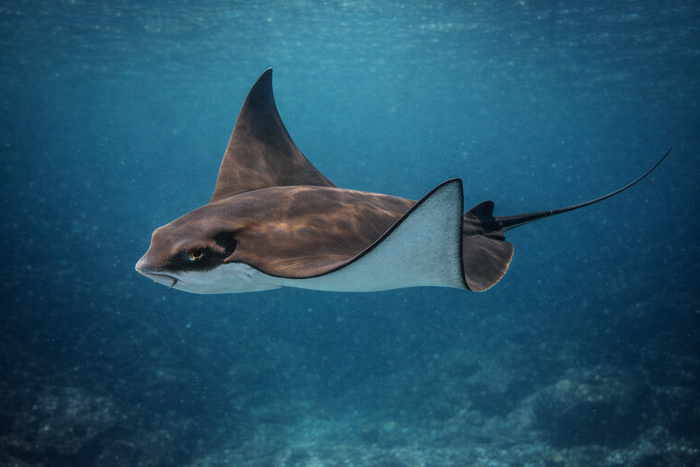
The Thorntail Stingray is not your average flat fish. With a sleek, diamond-shaped body and a tail armed with venomous barbs, this species commands attention beneath the waves. Known scientifically as Dasyatis thetidis, it’s a master of camouflage and surprise, gliding along the ocean floor with a stealth that belies its bold appearance. If you’re diving into Thorntail Stingray facts, prepare for a creature that blends elegance with danger in equal measure.
What Makes the Thorntail Stingray Unique?
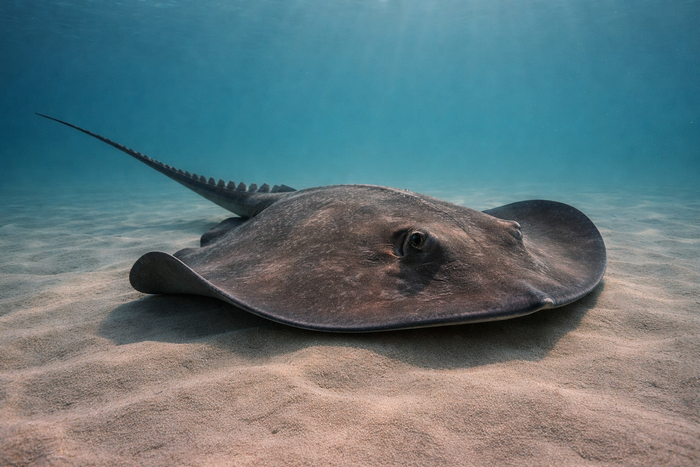
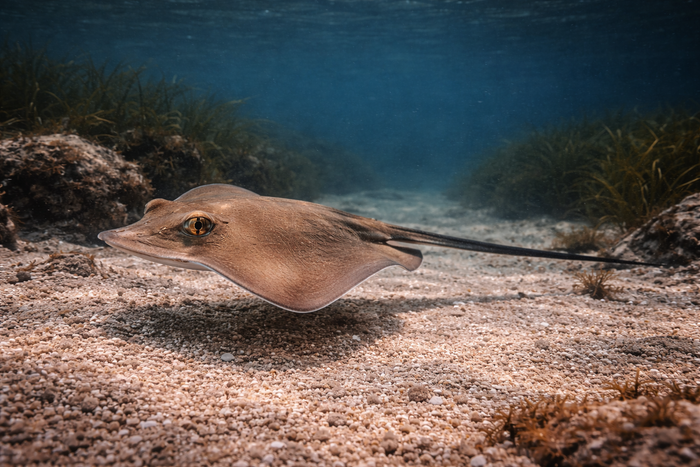
Forget the typical stingray silhouette. The Thorntail Stingray stands out with its distinctive tail, lined with sharp, thorn-like spines that give the species its name. These aren’t just for show; they’re a potent defense mechanism against predators. Unlike some of its relatives, this stingray’s tail is longer and more heavily armored, making it a formidable opponent when threatened.
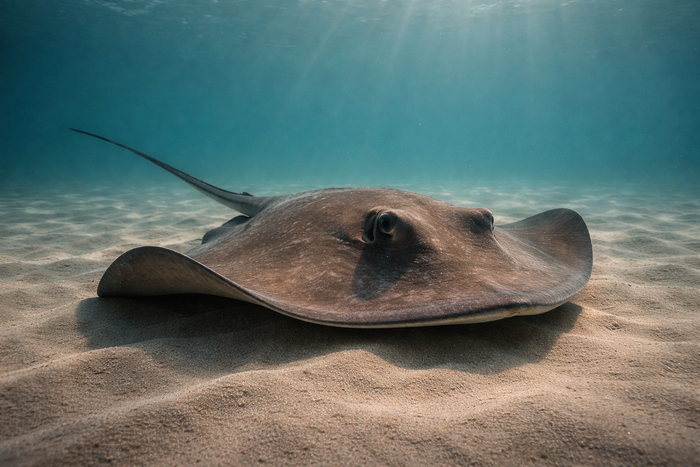
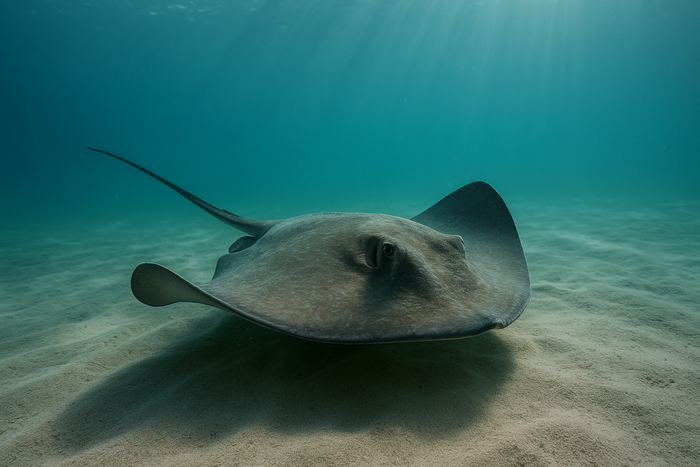
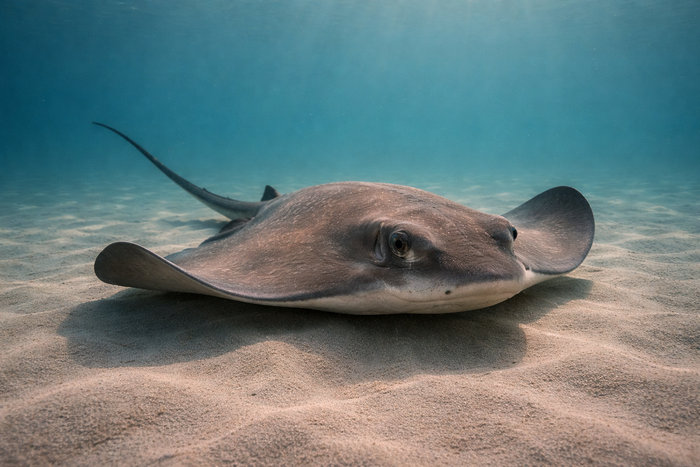
Its body is covered in a smooth, leathery skin that shifts in color from sandy browns to muted greys, perfect for blending into the seafloor. But the real standout is its eyes—set high on its head, allowing it to keep watch while buried in sediment. This combination of features makes the Thorntail Stingray a master of ambush and evasion.
Habitat & Global Range
The Thorntail Stingray calls the temperate coastal waters of the Southern Hemisphere home. You’ll find it cruising the continental shelves off Australia, New Zealand, and parts of South America. Its preferred Thorntail Stingray habitat includes sandy or muddy bottoms, often near rocky reefs or kelp forests where it can easily hide and hunt.
Depth-wise, it’s comfortable from shallow bays down to about 200 meters, showing a versatility that allows it to exploit a range of environments. This adaptability is key to its survival, especially as coastal ecosystems face increasing pressures.
Behavior & Temperament
Don’t mistake the Thorntail Stingray for a passive bottom-dweller. It’s a calculated predator, feeding primarily on small fish, crustaceans, and mollusks. Using electroreceptors on its snout, it detects prey hidden beneath the sand, then strikes with precision. Its hunting style is a blend of patience and sudden bursts of speed.
Temperament-wise, it’s generally shy and avoids confrontation. However, if cornered or provoked, it won’t hesitate to lash out with its venomous tail spine. This sting can be painful and requires respect from divers and fishermen alike. The Thorntail Stingray is solitary by nature, coming together with others mainly during mating seasons.
Ecological Importance
This stingray plays a crucial role in maintaining the health of benthic ecosystems. By preying on bottom-dwelling invertebrates and small fish, it helps regulate populations that might otherwise explode and disrupt the balance. Its foraging behavior also stirs up sediment, which can aid nutrient cycling and oxygenation of the seafloor.
Moreover, the Thorntail Stingray serves as prey for larger predators such as sharks and orcas, positioning it as a vital link in the marine food web. Its presence indicates a healthy, functioning ecosystem, making it an important species for marine biodiversity.
Conservation & Environmental Pressures
While not currently listed as endangered, the Thorntail Stingray faces growing threats from habitat degradation and fishing pressures. Coastal development, pollution, and trawling damage the seafloor habitats it relies on. Bycatch in commercial fisheries is another significant risk, often leading to injury or death.
Climate change adds another layer of complexity, altering water temperatures and potentially shifting the stingray’s range. Protecting its habitat and regulating fishing practices are essential steps to ensure this species continues to thrive. Awareness of Thorntail Stingray facts can help drive conservation efforts before it’s too late.
The FishyAF Take
The Thorntail Stingray is a prime example of nature’s blend of beauty and brutality. It’s a creature that demands respect—both for its ecological role and its defensive capabilities. If you’re serious about understanding marine life, ignoring this species would be a mistake. Its unique adaptations and vital place in the ocean’s ecosystem make it a standout subject for anyone interested in marine biology or sustainable fishing.
Keep an eye out for this spiky shadow next time you’re exploring temperate waters. The Thorntail Stingray isn’t just another flat fish; it’s a reminder that the ocean’s depths hold surprises that are as sharp as they are fascinating.