Bat Ray (Myliobatis californica): The Ocean’s Flat-Footed Acrobat with a Sting in Its Tail
The Bat Ray is a striking figure in coastal waters, instantly recognizable by its broad, flat body and wing-like pectoral fins. This species, Myliobatis californica, commands attention not just for its appearance but for its role in marine ecosystems along the Pacific coast. Bat Rays are more than just underwater curiosities; they are dynamic predators, ecosystem engineers, and a testament to evolutionary finesse. If you want to dive into some solid Bat Ray facts, you’re in the right place.
What Makes the Bat Ray Unique?
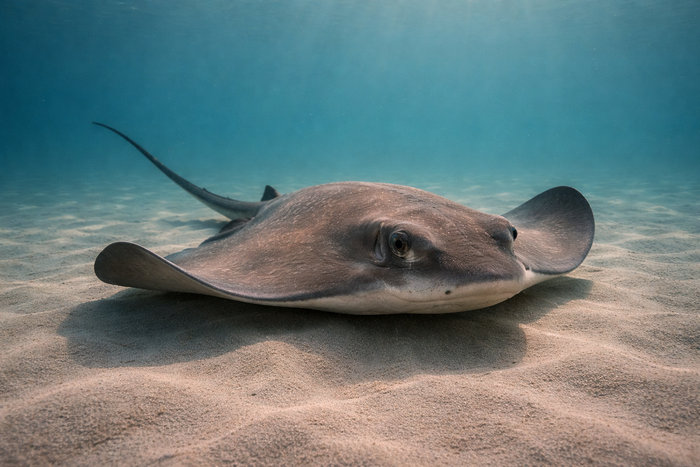
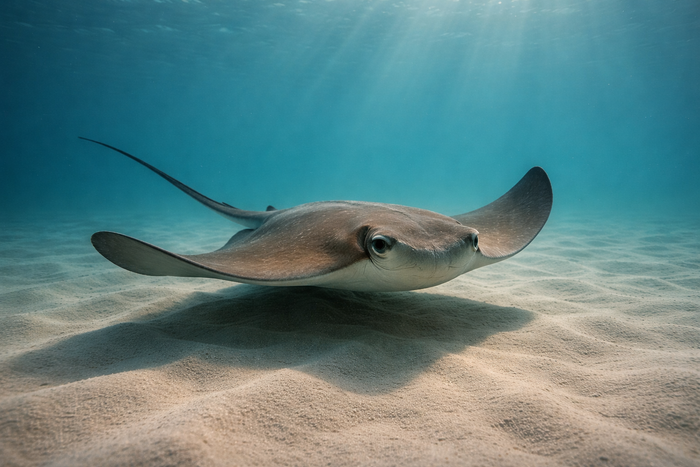
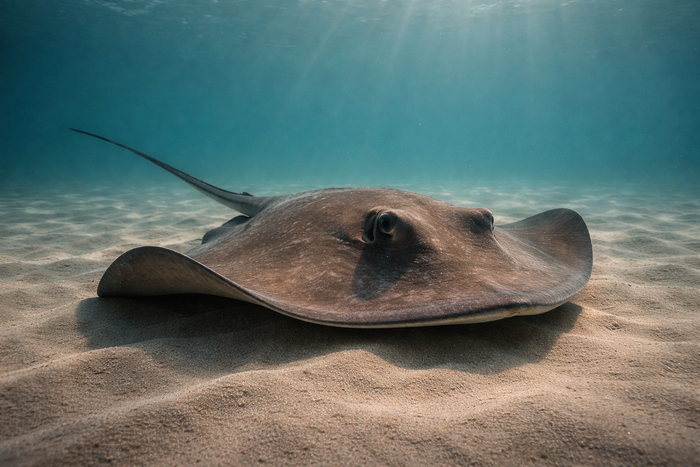
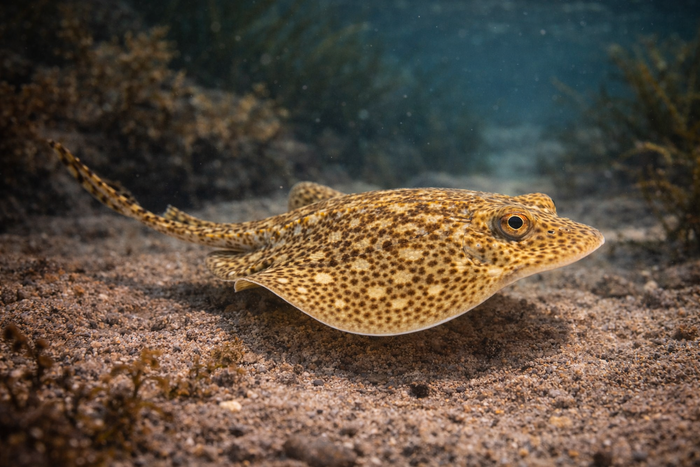
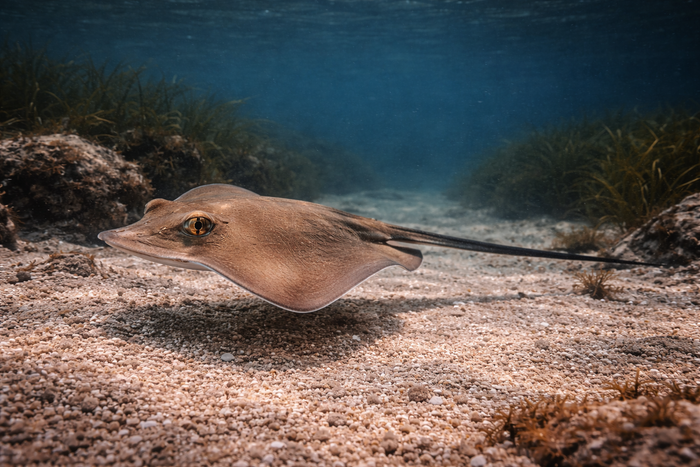
Bat Rays don’t just glide—they practically dance through the water with a grace that belies their hefty size. Their most distinctive feature is their large, triangular pectoral fins that resemble bat wings, giving them their common name. These fins allow them to “fly” underwater with smooth, deliberate movements. Unlike many rays that prefer deep or open waters, Bat Rays are coastal specialists, often seen cruising sandy bottoms and kelp forests.
One of their coolest adaptations is their crushing dental plates. These aren’t your average teeth—they’re built to pulverize hard-shelled prey like clams, crabs, and mollusks. Bat Rays use their snouts to dig into the sand, uncovering hidden meals, then crush them with powerful jaws. This feeding strategy sets them apart from other rays that rely more on suction or filter feeding.
Another standout trait is their tail. It’s long and whip-like, equipped with one or more venomous spines. This sting isn’t just for show; it’s a serious defense mechanism. While not usually aggressive, Bat Rays will defend themselves fiercely if threatened, delivering a painful sting that demands respect.
Habitat & Global Range
Bat Rays are native to the eastern Pacific Ocean, ranging from Oregon down through California and into Baja California. Their Bat Ray habitat is primarily shallow coastal waters, often less than 30 meters deep, where sandy or muddy bottoms dominate. They thrive in estuaries, bays, and nearshore environments, frequently spotted in kelp forest ecosystems.
These rays are highly adaptable to different coastal conditions but prefer temperate waters. Seasonal migrations are common, with Bat Rays moving closer to shore in warmer months to feed and breed, then retreating to deeper waters as temperatures drop. Their presence in these habitats plays a crucial role in maintaining the balance of benthic communities.
Behavior & Temperament
Bat Rays are generally solitary but can be seen in small groups, especially during mating season. They are slow, deliberate swimmers, using their broad fins to glide just above the ocean floor. Their behavior is a mix of cautious exploration and efficient hunting.
Despite their intimidating size and venomous tail, Bat Rays are not aggressive toward humans. They tend to avoid confrontation, preferring to swim away when disturbed. However, their defensive sting means they should be approached with caution, especially by divers and fishermen.
Feeding behavior is a highlight of Bat Ray activity. They use their snouts to dig up buried prey, then crush shells with their dental plates. This method is effective and leaves telltale pits in the sand, a signature of their feeding grounds. Bat Rays are opportunistic feeders, adapting their diet based on available prey, which helps them thrive in variable coastal environments.
Ecological Importance
Bat Rays are ecosystem engineers. Their foraging behavior disturbs the sediment, which can increase nutrient cycling and influence the distribution of smaller benthic organisms. This “bioturbation” helps maintain healthy seafloor habitats, supporting a diverse range of marine life.
By preying on hard-shelled invertebrates, Bat Rays help regulate populations that might otherwise dominate and disrupt the ecological balance. Their role as mid-level predators keeps the food web in check, indirectly supporting species diversity.
Additionally, Bat Rays serve as prey for larger predators like sharks and orcas, making them an integral link in the marine food chain. Their presence signals a healthy coastal ecosystem, where predator-prey dynamics are intact.
Conservation & Environmental Pressures
While Bat Rays are not currently listed as endangered, they face several environmental pressures that could impact their populations. Coastal development, pollution, and habitat degradation threaten their preferred shallow water habitats. Sediment disruption from dredging and increased turbidity can affect their feeding efficiency.
Bycatch in commercial and recreational fisheries is another concern. Although not typically targeted, Bat Rays can get caught in nets and traps, leading to injury or death. Their slow reproductive rate means populations recover slowly from declines.
Climate change also poses a long-term threat. Changes in water temperature and ocean chemistry could alter Bat Ray habitat suitability and prey availability. Monitoring and managing coastal ecosystems is critical to ensuring these rays continue to thrive.
The FishyAF Take
Bat Rays are the unsung heroes of the Pacific coast’s underwater world. Their unique adaptations, from crushing dental plates to graceful wing-like fins, make them fascinating subjects for anyone interested in marine biology. They’re not just passive residents but active participants shaping their environment.
Understanding Bat Ray facts and habitat needs is essential for protecting these remarkable creatures. They remind us that even the ocean’s flat-footed acrobats have a vital role in the complex dance of marine life. Next time you spot one gliding near the shore, appreciate the evolutionary marvel beneath those broad wings—and maybe keep a respectful distance from that sting.