Atlantic Stingray (Hypanus sabinus): The Coastal Maverick with a Sting You Won't Forget
The Atlantic Stingray is no wallflower of the ocean. Known scientifically as Hypanus sabinus, this species commands attention with its sleek, diamond-shaped body and a tail armed with venomous barbs. It’s a coastal dweller that thrives in brackish and marine waters along the Atlantic coast, blending stealth and surprise into a package that’s as fascinating as it is formidable. If you’re diving into Atlantic Stingray facts, prepare for a deep dive into a creature that’s equal parts predator and ecosystem player.
What Makes the Atlantic Stingray Unique?
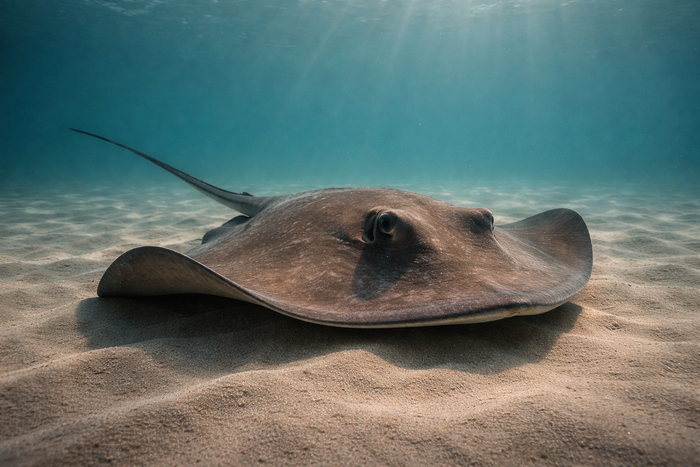
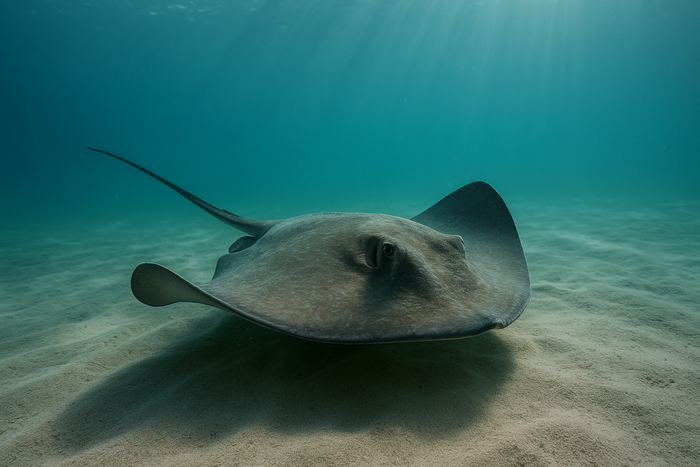
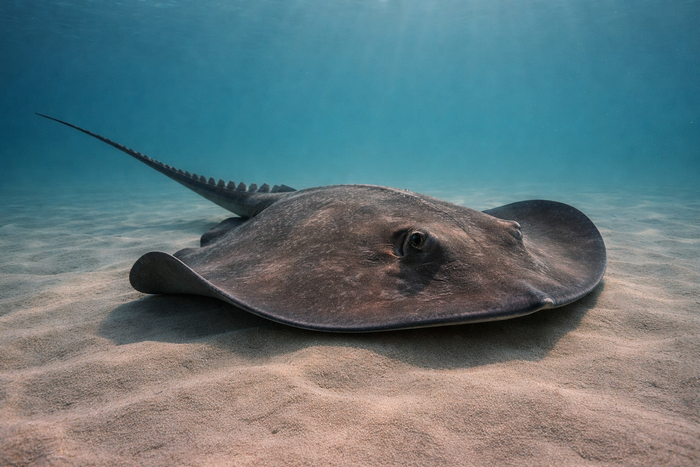
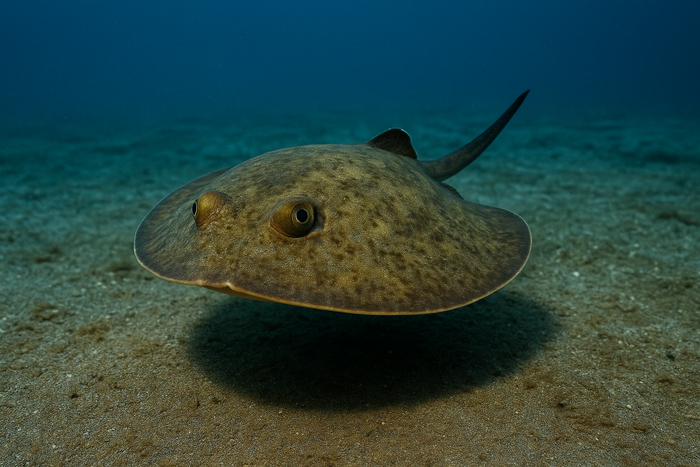
Atlantic Stingrays stand out for their adaptability to varying salinity levels, a trait that sets them apart from many other stingray species. They can comfortably navigate both saltwater and brackish environments, making them versatile residents of estuaries, bays, and coastal lagoons. Their flattened, disc-like bodies are perfectly designed for life on the seafloor, allowing them to bury themselves in sand or mud to ambush prey or avoid predators.
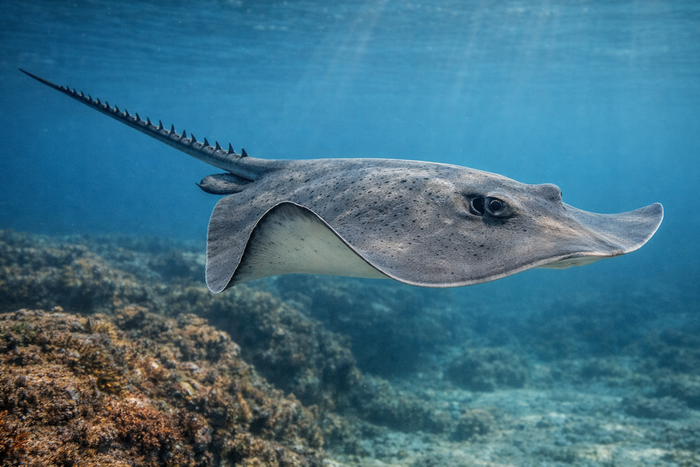
Unlike some stingrays that grow to intimidating sizes, the Atlantic Stingray keeps it modest but effective, with a wingspan that rarely exceeds two feet. Their coloration—usually a muted brown or olive—provides excellent camouflage against the ocean floor. But don’t mistake their size for weakness. Their venomous tail spine is a serious defense mechanism, capable of delivering a painful sting to any would-be threat.
Habitat & Global Range
The Atlantic Stingray’s habitat is a lesson in coastal versatility. Found primarily along the western Atlantic coast from New Jersey down to the Gulf of Mexico and parts of the Caribbean, they favor shallow waters where they can exploit the rich food sources of estuaries and coastal bays. This species thrives in Atlantic Stingray habitat that includes sandy or muddy bottoms, often near seagrass beds or oyster reefs.
Their tolerance for brackish water means they can venture into river mouths and estuaries, areas where freshwater mixes with the sea. This adaptability not only broadens their range but also positions them as key players in multiple aquatic ecosystems. Seasonal migrations are common, with stingrays moving to warmer waters during colder months, demonstrating a keen sense of environmental navigation.
Behavior & Temperament
Atlantic Stingrays are bottom dwellers with a stealthy hunting style. They spend much of their time partially buried in sediment, waiting to ambush small fish, crustaceans, and mollusks. Their mouths, located on the underside of their bodies, are perfectly adapted for crushing hard-shelled prey. They’re not aggressive by nature but will defend themselves vigorously if provoked.
Their temperament is generally calm, making them less of a threat to humans than their reputation might suggest. Most stings occur when the ray is accidentally stepped on or handled improperly. When threatened, the Atlantic Stingray uses its whip-like tail to lash out, delivering venom through serrated spines. This defense is effective against predators and a reminder that respect is due when sharing their habitat.
Ecological Importance
Atlantic Stingrays play a crucial role in maintaining the health of coastal ecosystems. By preying on benthic invertebrates, they help regulate populations of species that could otherwise dominate and disrupt the balance of the seafloor community. Their foraging behavior also stirs up sediment, which can aid in nutrient cycling and oxygenation of the substrate.
As both predator and prey, they occupy a mid-level trophic position. Larger fish, sharks, and even some marine mammals include Atlantic Stingrays in their diets, making them integral to the food web. Their presence is a sign of a healthy, functioning ecosystem, particularly in estuarine environments where biodiversity is high but vulnerable.
Conservation & Environmental Pressures
While not currently listed as endangered, Atlantic Stingrays face several environmental pressures that could impact their populations. Coastal development, pollution, and habitat degradation threaten the estuaries and shallow waters they call home. These areas are often the first to feel the effects of human activity, including runoff and sedimentation that can alter water quality and seafloor conditions.
Bycatch in commercial and recreational fisheries also poses a risk. Although not typically targeted, Atlantic Stingrays can get caught in nets and lines, leading to injury or death. Climate change adds another layer of uncertainty, with shifting water temperatures and salinity potentially affecting their distribution and breeding patterns.
Conservation efforts focused on protecting coastal habitats and reducing pollution will be critical to ensuring the Atlantic Stingray remains a thriving part of the marine landscape. Monitoring populations and promoting responsible fishing practices can help mitigate human impact.
The FishyAF Take
The Atlantic Stingray is a master of coastal survival, a species that combines subtlety with a sting that demands respect. Its adaptability to diverse habitats and role in ecosystem balance make it a standout among Atlantic marine life. If you’re looking to understand the nuances of coastal food webs or the challenges facing estuarine species, the Atlantic Stingray is a prime example.
This isn’t just another bottom-dwelling ray; it’s a resilient, resourceful player in a complex environment. Next time you’re exploring Atlantic Stingray facts or curious about Atlantic Stingray habitat, remember that this species is a testament to evolutionary finesse and ecological importance. Handle with care, observe with respect, and appreciate the bold presence of Hypanus sabinus in our coastal waters.