Round Stingray (Urobatis halleri): The Compact Powerhouse of Coastal Waters
The Round Stingray, Urobatis halleri, is a small but striking member of the stingray family that commands attention in coastal marine ecosystems. With its nearly circular disc and subtle yet effective defense mechanisms, this species is a fascinating subject for anyone interested in marine life. Known for its distinctive shape and behavior, the Round Stingray offers a window into the complex world beneath the waves, where survival depends on a blend of stealth, agility, and resilience.
What Makes the Round Stingray Unique?
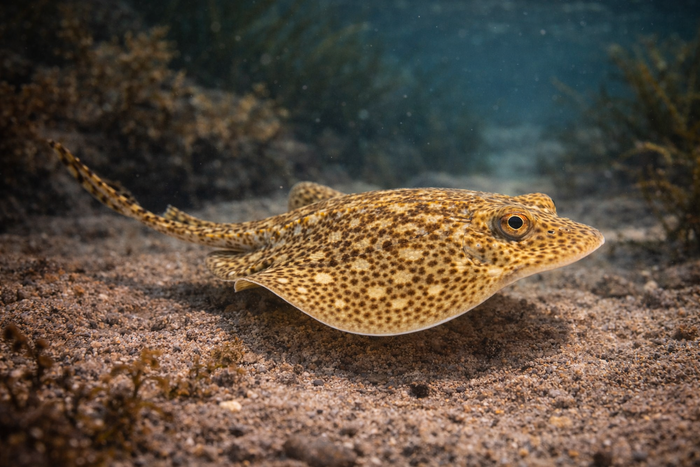
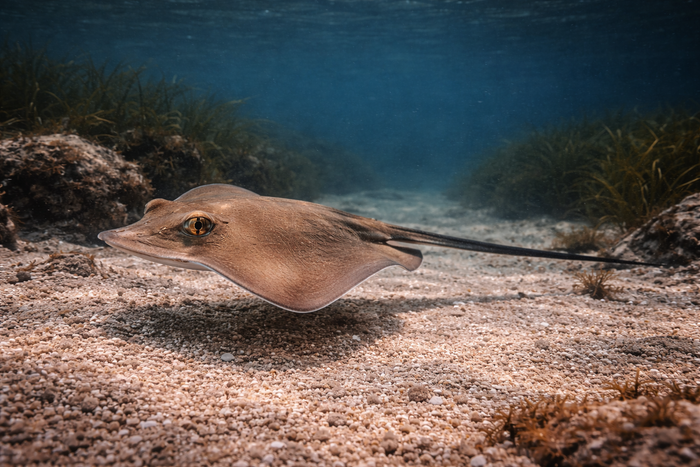
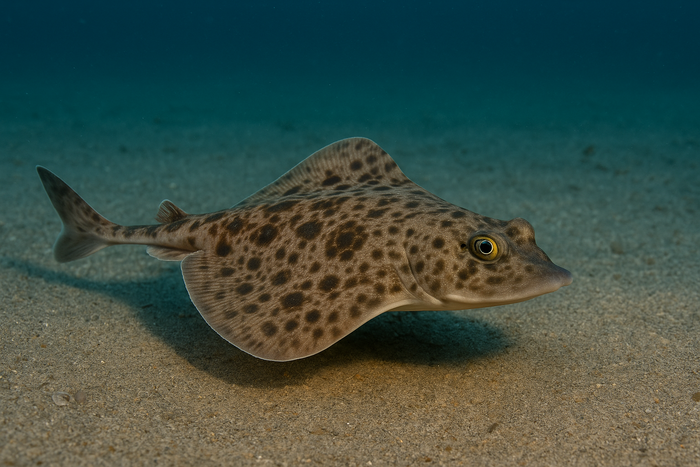
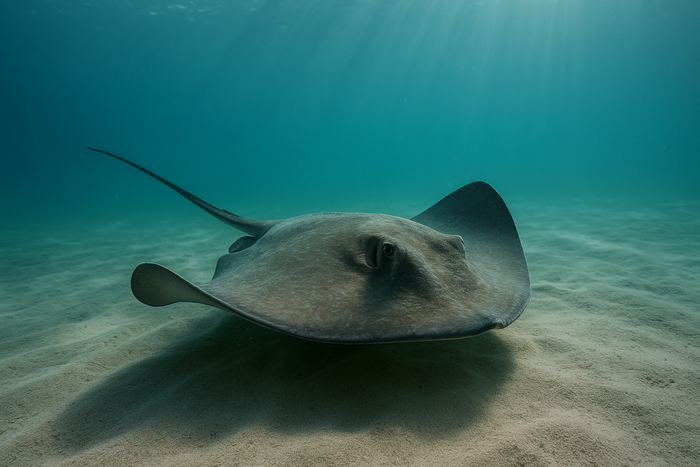
Unlike its larger, more intimidating cousins, the Round Stingray is compact and approachable in appearance, but don’t mistake size for weakness. Its body is almost perfectly round, a feature that sets it apart from the more diamond-shaped stingrays. This shape isn’t just for show; it allows for quick, fluid movements along the seafloor. The dorsal side usually sports a sandy or mottled pattern that provides excellent camouflage against the ocean bottom, making it a master of disguise.
One of the most notable Round Stingray facts is its venomous tail spine. While it’s not aggressive by nature, this spine packs a potent sting used primarily for defense. The stingray’s ability to blend into its environment combined with this defensive weapon makes it a formidable presence despite its modest size.
Habitat & Global Range
The Round Stingray habitat is primarily shallow coastal waters along the eastern Pacific, ranging from central California down to the Gulf of California and parts of Baja California. It prefers sandy or muddy bottoms where it can easily bury itself to avoid predators and ambush prey. These rays are often found in bays, estuaries, and nearshore environments, thriving in water depths that rarely exceed 30 meters.
This species’ preference for warm temperate waters means it’s adapted to a variety of coastal conditions, from rocky reefs to soft sediment flats. The Round Stingray’s ability to tolerate different salinities and temperatures within its range makes it a resilient inhabitant of its niche.
Behavior & Temperament
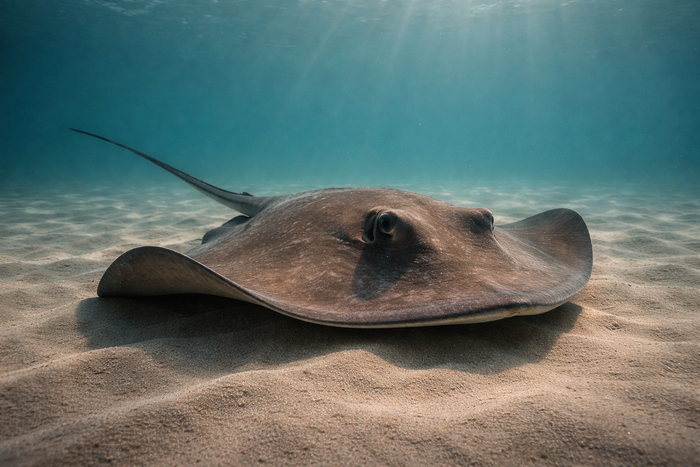
Round Stingrays are bottom dwellers with a lifestyle built around stealth and patience. They spend much of their time partially buried in the substrate, waiting for unsuspecting prey like small fish, crustaceans, and mollusks to wander close enough to snatch. Their feeding strategy relies on sudden bursts of speed and precision, a testament to their muscular, flexible bodies.
Temperament-wise, these rays are generally shy and non-aggressive unless provoked. They tend to avoid confrontation, relying on camouflage and quick escapes rather than outright aggression. However, if cornered or handled, the Round Stingray will not hesitate to use its venomous spine in defense. This makes it a species to respect but not fear unnecessarily.
Ecological Importance
The Round Stingray plays a crucial role in maintaining the balance of coastal ecosystems. As a mid-level predator, it helps control populations of benthic invertebrates and small fish, preventing any one species from dominating the seafloor environment. This predation pressure promotes biodiversity and healthy community dynamics.
Additionally, their foraging behavior aerates the sediment, which can enhance nutrient cycling and promote the health of benthic habitats. By disturbing the substrate while hunting, Round Stingrays contribute to the overall productivity of their ecosystem, supporting a range of other marine life.
Conservation & Environmental Pressures
While not currently listed as endangered, the Round Stingray faces several environmental pressures that could impact its populations. Coastal development, pollution, and habitat degradation threaten the shallow waters and estuaries these rays call home. Sedimentation and chemical runoff can reduce water quality and disrupt the delicate balance of their habitat.
Bycatch in commercial and recreational fisheries also poses a risk. Though not typically targeted, Round Stingrays can become unintended casualties, especially in trawl and gillnet operations. Their slow reproductive rates and specific habitat needs mean that population recovery can be slow if numbers decline.
Conservation efforts focused on protecting coastal habitats and regulating fishing practices are essential to ensure the long-term survival of this species. Monitoring Round Stingray populations and understanding their habitat requirements remain critical components of marine conservation strategies.
The FishyAF Take
The Round Stingray is a perfect example of how marine creatures don’t need to be massive or flashy to be fascinating and ecologically important. Its unique round shape, effective camouflage, and defensive tactics make it a standout species in coastal waters. Understanding Round Stingray facts and habitat preferences reveals a resilient animal perfectly adapted to its niche.
For anglers, divers, and marine enthusiasts, encountering a Round Stingray is a reminder that the ocean’s smaller residents often play outsized roles in ecosystem health. Treat them with respect, appreciate their subtle complexity, and remember that beneath that unassuming disc lies a creature finely tuned to survive and thrive in a challenging environment. The Round Stingray isn’t just another ray; it’s a compact powerhouse of the coastal seafloor.