Yellow Stingray (Urobatis jamaicensis): The Small But Mighty Ray That Packs a Punch
The Yellow Stingray, scientifically known as Urobatis jamaicensis, is a compact marine marvel that commands attention despite its modest size. Found primarily in the warm coastal waters of the western Atlantic, this ray is a master of camouflage and survival. Its distinctive yellowish coloration and bold patterning make it a standout among benthic dwellers. If you’re diving into Yellow Stingray facts, prepare to meet a species that’s as fascinating as it is underestimated.
What Makes the Yellow Stingray Unique?
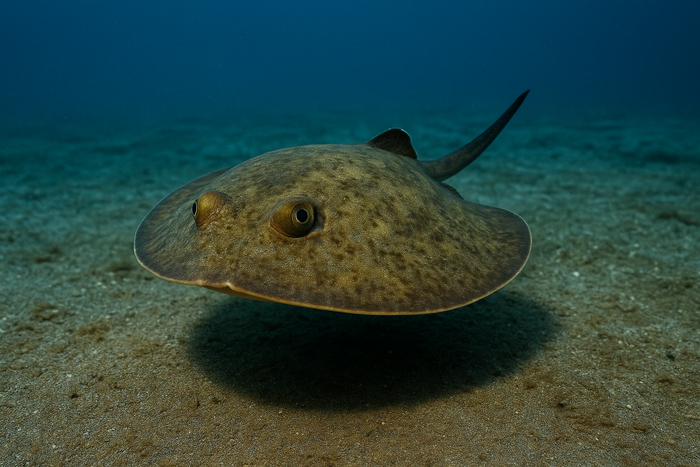
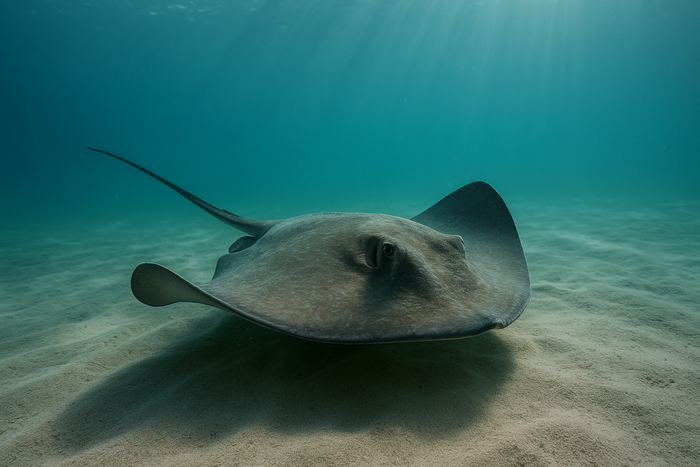
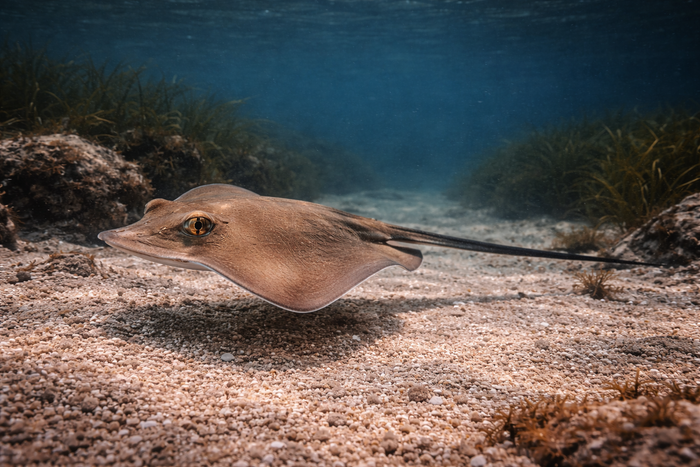
The Yellow Stingray’s uniqueness lies in its combination of size, coloration, and behavior. Unlike larger stingrays that rely on sheer bulk, this species uses its vivid yellow and brown mottled pattern to blend seamlessly with sandy and rocky substrates. This camouflage isn’t just for show; it’s a survival strategy that helps it avoid predators and ambush prey.
Another standout feature is its venomous tail spine. While many stingrays have stingers, the Yellow Stingray’s is particularly sharp and effective, serving as a potent defense mechanism. Despite this, it’s generally non-aggressive and will only sting if threatened or provoked.
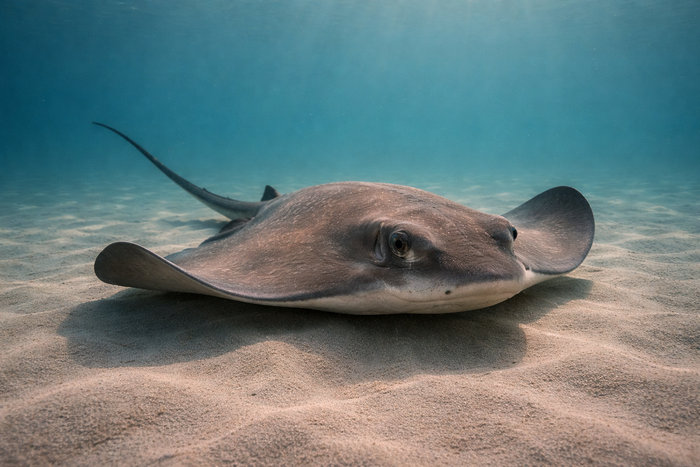
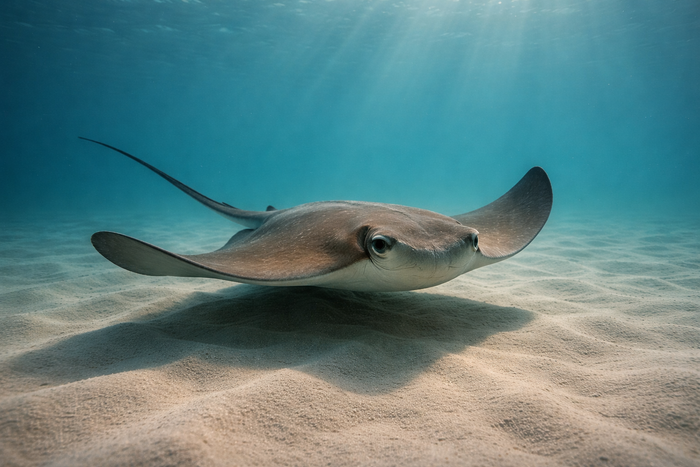
Its flattened body and broad pectoral fins allow it to glide effortlessly along the ocean floor, making it an expert at navigating complex habitats like coral reefs and seagrass beds. This ray’s feeding habits are equally interesting—it preys on small invertebrates and fish, using electroreceptors to detect hidden prey beneath the sand.
Habitat & Global Range
The Yellow Stingray calls the western Atlantic home, with a range stretching from the southeastern United States down through the Caribbean and into northern South America. Its preferred Yellow Stingray habitat includes shallow coastal waters, estuaries, and bays where sandy or muddy bottoms dominate.
This species thrives in warm, tropical to subtropical waters, often found at depths ranging from just a few feet to around 60 meters. The combination of shallow water and complex substrates like seagrass beds and coral rubble offers ample hiding spots and abundant food sources.
Yellow Stingrays are benthic by nature, spending most of their time on or just beneath the seabed. Their ability to blend into the environment is crucial for both hunting and avoiding larger predators like sharks and groupers.
Behavior & Temperament
Yellow Stingrays are generally solitary creatures, preferring to keep a low profile rather than engage in social interactions. They are nocturnal hunters, becoming more active at night when they scour the ocean floor for crustaceans, mollusks, and small fish.
Despite their venomous sting, these rays are not aggressive toward humans. Most stings occur when the ray is accidentally stepped on or cornered. Their natural response is to flee or defend themselves if escape isn’t an option.
Their behavior is a mix of cautious and opportunistic. They use their flattened bodies to bury themselves in the sand, leaving only their eyes and spiracles visible. This ambush tactic allows them to surprise prey and avoid detection.
Ecological Importance
Yellow Stingrays play a vital role in maintaining the health of coastal ecosystems. As mid-level predators, they help control populations of benthic invertebrates and small fish, preventing any one species from dominating the habitat.
Their foraging behavior also contributes to sediment turnover, which can enhance nutrient cycling and promote healthier seagrass beds. This activity supports a diverse range of marine life, from tiny invertebrates to larger fish species.
Moreover, Yellow Stingrays serve as prey for larger predators, making them an integral link in the marine food web. Their presence indicates a balanced ecosystem, as they require healthy habitats to thrive.
Conservation & Environmental Pressures
While not currently listed as endangered, Yellow Stingrays face several environmental pressures that could impact their populations. Coastal development, pollution, and habitat degradation threaten the shallow waters they depend on.
Fishing practices, particularly trawling and bycatch, pose additional risks. Although not a primary target species, Yellow Stingrays can get caught unintentionally, leading to injury or death.
Climate change adds another layer of concern. Rising sea temperatures and ocean acidification can alter their habitat and prey availability, potentially disrupting their life cycles.
Conservation efforts should focus on protecting coastal habitats, regulating fishing practices, and monitoring populations to ensure this species remains a thriving part of marine biodiversity.
The FishyAF Take
The Yellow Stingray is a perfect example of how size doesn’t dictate significance in the ocean. This small ray is a master of disguise, a skilled hunter, and a crucial player in its ecosystem. Its bold yellow hues and venomous tail make it memorable, but it’s the species’ adaptability and ecological role that truly command respect.
Understanding Yellow Stingray facts and habitat needs is essential for anyone serious about marine conservation or simply fascinated by ocean life. These rays remind us that even the less flashy creatures have stories worth telling—and stakes worth protecting. Keep an eye out for these benthic beauties next time you’re exploring tropical waters; they might just surprise you with their quiet power and ecological finesse.