Cownose Ray (Rhinoptera bonasus): The Ocean’s Winged Acrobat with a Taste for Clams
The Cownose Ray is not your average flatfish silhouette gliding through the water. With a unique forehead that resembles a cow’s nose and wings that span wide enough to command attention, this ray is a standout in coastal waters. Rhinoptera bonasus is a species that blends grace and power, often misunderstood but impossible to ignore. If you want to know what makes this ray tick, where it thrives, and why it matters, you’re in the right place.
What Makes the Cownose Ray Unique?
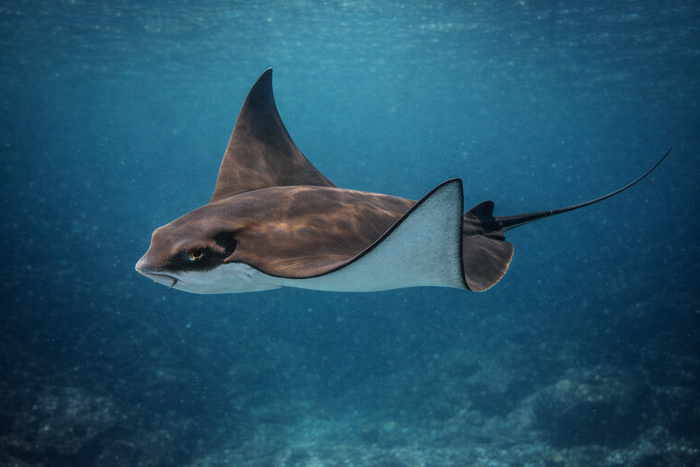
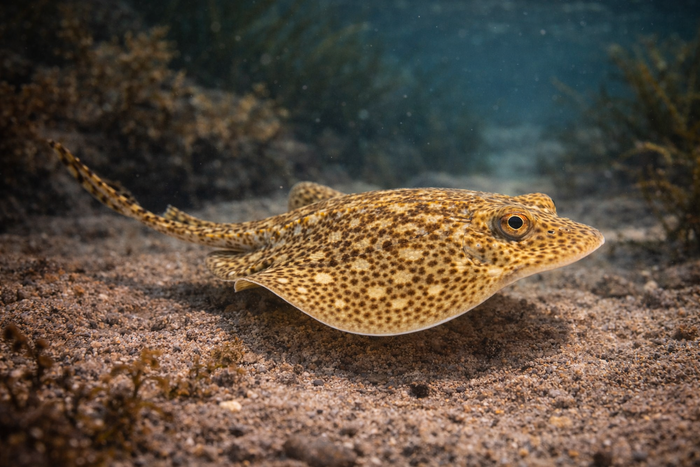
First off, the Cownose Ray’s head shape is a dead giveaway. The broad, rounded lobes on its snout give it that “cow-nose” profile, setting it apart from other rays. But it’s not just about looks. Its pectoral fins extend like wings, allowing it to “fly” underwater with a smooth, undulating motion. This ray’s jaw is a marvel of evolutionary engineering—strong and flat, perfect for crushing hard-shelled prey like clams, oysters, and crustaceans. Unlike many rays that rely on stealth, the Cownose Ray is a social creature, often seen in large schools that can number in the thousands. This schooling behavior is rare among rays and adds a layer of complexity to their ecology and behavior.
Habitat & Global Range
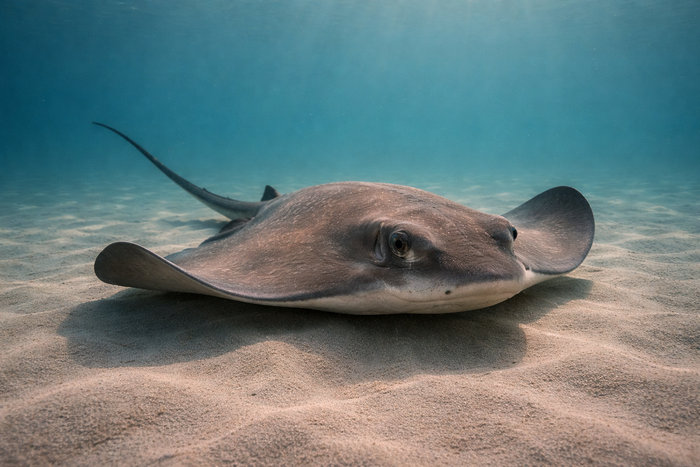
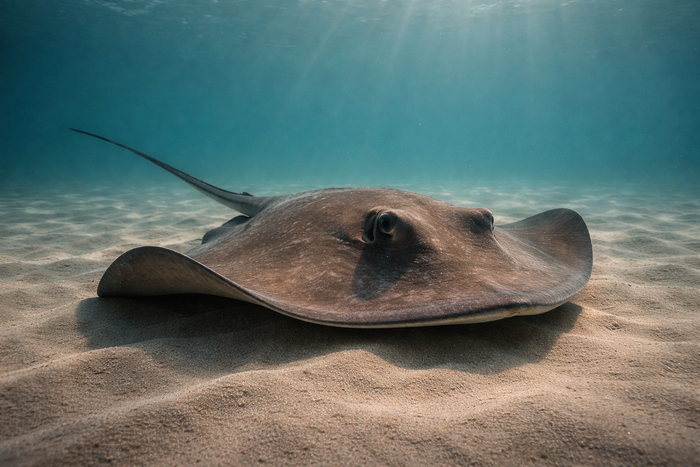
The Cownose Ray calls the western Atlantic Ocean home, ranging from New England down to the Gulf of Mexico and the Caribbean. Its habitat is mostly shallow coastal waters, bays, and estuaries where sandy or muddy bottoms are abundant. These environments provide the perfect buffet of mollusks and crustaceans. Seasonal migrations are a hallmark of this species, with rays moving northward in the summer and retreating south as temperatures drop. This migratory pattern is tightly linked to water temperature and food availability, showcasing a sophisticated adaptation to changing environments. Understanding Cownose Ray habitat is crucial for grasping their ecological role and the challenges they face.
Behavior & Temperament
Cownose Rays are gregarious by nature, often forming massive schools that can stretch for miles. This social structure is thought to provide protection from predators and improve foraging efficiency. Despite their size and numbers, these rays are generally non-aggressive towards humans and other marine life. They use their wing-like fins to glide effortlessly, occasionally flipping over to dig into the seabed for buried prey. Their feeding technique is both elegant and effective: they create suction to extract mollusks from the sand and then crush the shells with their powerful jaws. While they may look intimidating, their temperament is more curious than confrontational, making them fascinating subjects for observation.
Ecological Importance
The Cownose Ray plays a pivotal role in maintaining the health of coastal ecosystems. By preying on bivalves and other benthic invertebrates, they help regulate populations that could otherwise explode and disrupt sediment balance. Their foraging activity aerates the sea floor, promoting nutrient cycling and supporting diverse marine communities. However, their impact isn’t always viewed positively. In some regions, large schools of Cownose Rays have been blamed for declines in commercially valuable shellfish, leading to conflicts with fisheries. This tension highlights the delicate balance between ecological function and economic interests. Regardless, the Cownose Ray remains a key player in the food web, both as predator and prey.
Conservation & Environmental Pressures
Despite their abundance, Cownose Rays face mounting pressures. Overfishing, habitat degradation, and bycatch in commercial fisheries threaten their populations in certain areas. Their migratory nature complicates conservation efforts, as they cross multiple jurisdictions with varying regulations. Coastal development and pollution further degrade the estuaries and bays critical for their survival. Climate change adds another layer of uncertainty, potentially altering their migratory patterns and food availability. While not currently listed as endangered, local declines have sparked calls for more targeted management. Protecting Cownose Ray habitat and monitoring population trends are essential steps to ensure this species remains a vibrant part of marine ecosystems.
The FishyAF Take
The Cownose Ray is a masterclass in evolutionary design and ecological balance. Its distinctive appearance and social behavior make it a standout in the marine world, while its role in shaping benthic communities underscores its importance. This species challenges the simplistic view of rays as solitary bottom-dwellers and invites us to appreciate the complexity beneath the waves. If you’re diving or fishing in the western Atlantic, spotting a school of Cownose Rays is a reminder that the ocean’s story is written in wings and waves. Respect their space, understand their role, and remember that every ray has a tale worth knowing. When it comes to Cownose Ray facts and habitat, the more you learn, the clearer it becomes: these rays are not just survivors—they’re ecosystem engineers with style.