Guitarfish (Pseudobatos lentiginosus): The Flat Shark That Plays by Its Own Rules
The guitarfish is a fascinating blend of shark and ray traits, carving out a niche that’s as unique as its name. Pseudobatos lentiginosus, commonly known as the guitarfish, looks like a shark that got flattened and stretched into a guitar shape. This species commands attention not just for its odd silhouette but for its role in coastal ecosystems. If you want a deep dive into guitarfish facts, you’re in the right place.
What Makes the Guitarfish Unique?
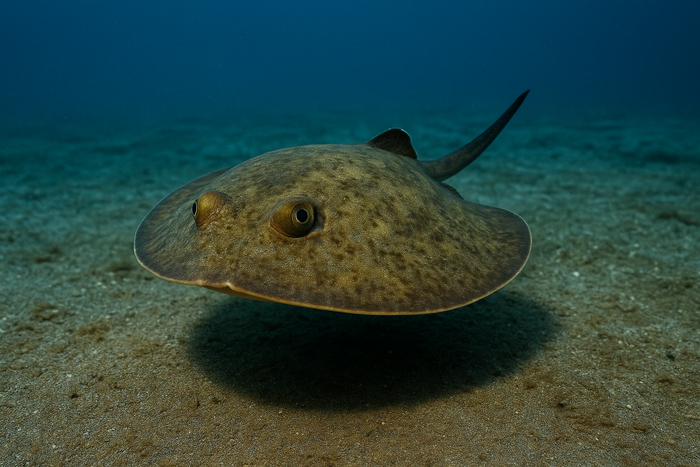
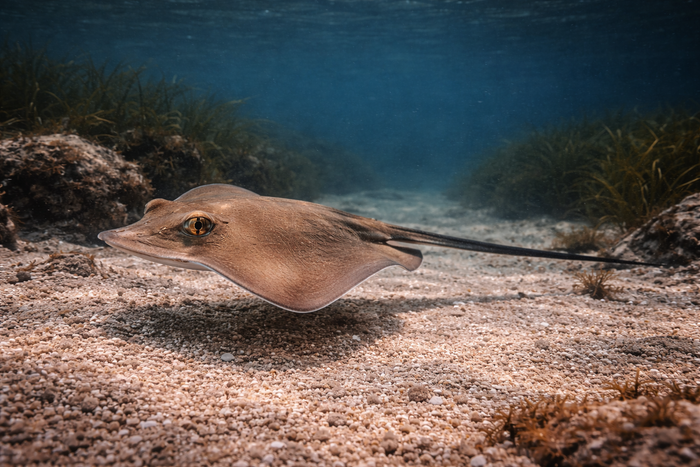
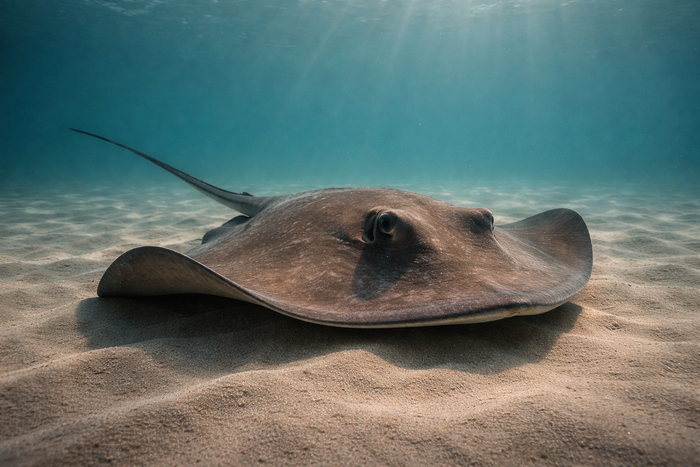
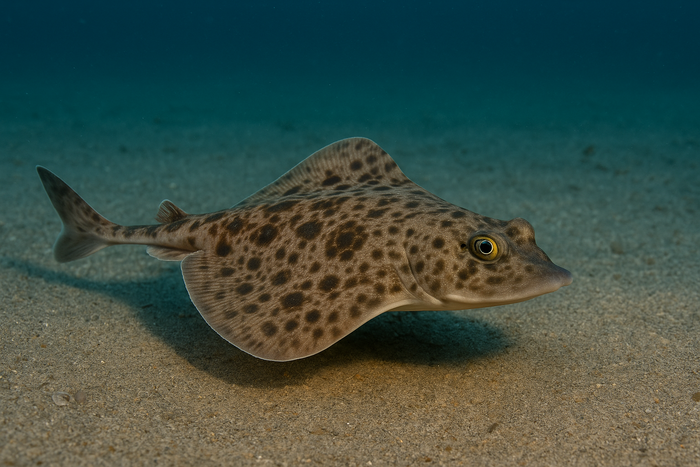
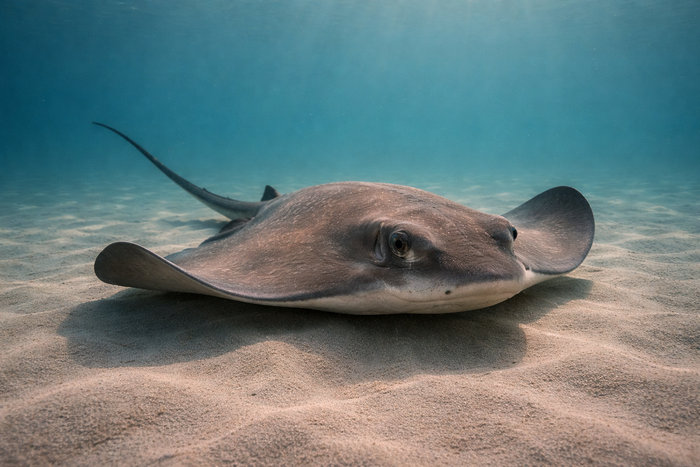
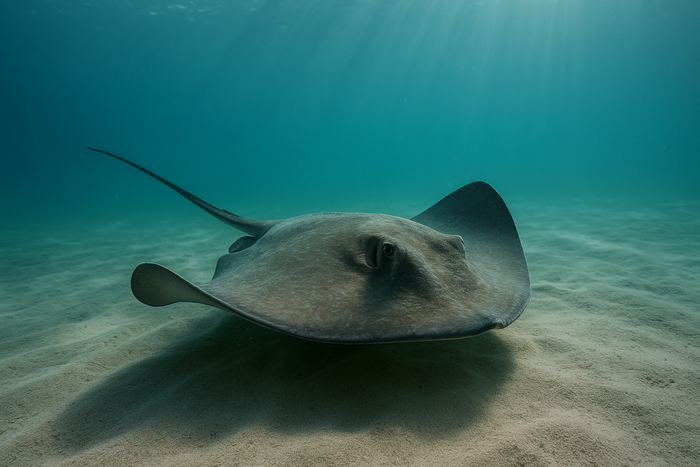
Guitarfish are the awkward lovechild of sharks and rays, sporting a body that’s flat and wide like a ray but with a shark’s pointed snout and tail. Their pectoral fins are fused to the head, giving them that unmistakable guitar shape. Unlike typical sharks that cruise open waters, guitarfish hug the seafloor, using their flattened bodies to blend into sandy or muddy bottoms. This camouflage isn’t just for show—it’s a tactical advantage for ambushing prey.
Their eyes sit on top of their heads, while their mouths are underneath, perfectly designed for bottom feeding. They hunt crustaceans, small fish, and mollusks, crushing shells with powerful jaws. Another standout feature is their reproductive strategy: guitarfish are ovoviviparous, meaning eggs hatch inside the mother, and she gives birth to live young. This boosts juvenile survival in unpredictable coastal environments.
Habitat & Global Range
Guitarfish habitat is primarily shallow coastal waters along the eastern Pacific, from the Gulf of California down to Peru. They prefer sandy or muddy substrates where they can bury themselves for protection and hunting. Estuaries, bays, and nearshore reefs are prime real estate for these bottom dwellers.
Their range overlaps with some of the most productive marine ecosystems, which also makes them vulnerable to human activity. Guitarfish are not deep-sea creatures; they thrive in waters typically less than 100 meters deep. This proximity to shorelines means they frequently encounter fishing operations and habitat disturbances.
Behavior & Temperament
Guitarfish are generally solitary and secretive. They spend much of their time partially buried in sediment, waiting for prey to wander too close. When threatened, they rely on camouflage and quick bursts of swimming to escape rather than aggression.
They’re not known for being aggressive toward humans, but their rough skin and sharp teeth make handling them a no-go unless you’re a pro. Their slow, deliberate movements reflect a lifestyle adapted to conserving energy while hunting in a low-visibility environment.
Ecological Importance
Guitarfish play a critical role in maintaining the balance of benthic ecosystems. By preying on crustaceans and mollusks, they help control populations that could otherwise overgraze seagrass beds and disrupt sediment quality. Their feeding behavior also stirs up the substrate, promoting nutrient cycling.
As mid-level predators, they are a vital link in the food web, supporting larger predators like sharks and marine mammals. Their presence indicates a healthy coastal environment, making them an important species for monitoring ecosystem health.
Conservation & Environmental Pressures
Despite their ecological significance, guitarfish face mounting threats. Coastal development, pollution, and especially overfishing have taken a toll. They are often caught as bycatch in trawl and gillnet fisheries, and their slow reproductive rate makes population recovery a slow process.
Habitat degradation from sedimentation and chemical runoff further compounds their challenges. In some regions, guitarfish populations have declined sharply, raising red flags for conservationists. Protecting guitarfish habitat means safeguarding entire coastal ecosystems, which benefits countless other species.
The FishyAF Take
Guitarfish are a reminder that nature doesn’t always fit neatly into categories. They blur the lines between shark and ray, bottom dweller and predator, survivor and indicator species. Their unique shape and lifestyle make them a standout in the marine world, but also vulnerable to the pressures of human expansion.
Understanding guitarfish facts and their habitat is crucial for anyone interested in coastal marine life. These fish deserve more attention—not just as oddities but as vital components of their ecosystems. If we want to keep our coastal waters balanced and thriving, guitarfish need to be part of the conversation. They’re not just flat sharks; they’re flat-out essential.