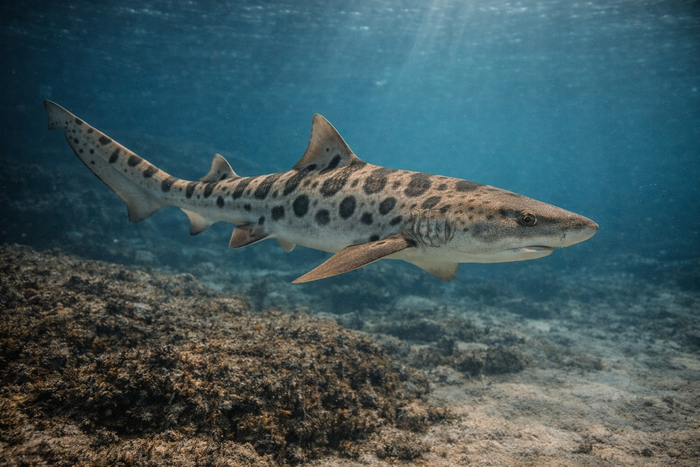
Spiny Dogfish (Squalus acanthias): The Small Shark That Packs a Big Ecological Punch
The Spiny Dogfish is no ordinary shark. It’s a compact predator with a reputation that punches well above its size. Known scientifically as Squalus acanthias, this species has been cruising the world’s oceans for millions of years, proving that sometimes, small but steady wins the evolutionary race. If you think sharks are all about size and terror, the Spiny Dogfish will challenge that notion with its unique adaptations and vital role in marine ecosystems.
What Makes the Spiny Dogfish Unique?
Forget the classic image of a massive, toothy shark. The Spiny Dogfish is a modest-sized shark, rarely exceeding four feet, but it’s armed with a distinctive pair of venomous spines—one in front of each dorsal fin. These spines are not just for show; they provide a potent defense mechanism against predators. Unlike many sharks, the Spiny Dogfish has a slow metabolism and an incredibly long gestation period, sometimes lasting up to two years. This slow reproductive rate is a double-edged sword: it’s a testament to their evolutionary resilience but also a vulnerability in the face of overfishing.
Another standout feature is their schooling behavior. Unlike the solitary image of many shark species, Spiny Dogfish often travel in large groups, sometimes numbering in the hundreds. This social structure helps them hunt more efficiently and avoid predators. Their diet is diverse, ranging from small fish and squid to crustaceans, showcasing their adaptability in the food chain.
Habitat & Global Range
Spiny Dogfish habitat spans temperate and subarctic waters across the globe. They are found in the North Atlantic and North Pacific Oceans, from the shallow coastal waters to depths exceeding 900 meters. Their preference leans toward continental shelves and slopes, where cooler waters and abundant prey create the perfect hunting ground.
This species is highly migratory, moving seasonally to optimize feeding and breeding conditions. In the North Atlantic, they often migrate closer to shore during the winter and retreat to deeper waters in the summer. This dynamic movement pattern is critical for their survival and influences the ecosystems they inhabit.
Behavior & Temperament
The Spiny Dogfish is a curious mix of cautious and aggressive. When threatened, it uses its venomous spines to deter predators, but it’s not an outright aggressive shark toward humans. Encounters with divers or fishermen are usually uneventful, though caution is advised due to those sharp spines.
Their hunting strategy is methodical. They rely on stealth and group coordination to ambush prey. Their slow metabolism means they don’t need to eat constantly, allowing them to conserve energy between meals. This efficiency is part of why they can thrive in diverse environments.
Ecological Importance
Spiny Dogfish play a crucial role in maintaining the balance of marine ecosystems. As mid-level predators, they help regulate populations of smaller fish and invertebrates, preventing any single species from dominating and disrupting the food web. Their presence indicates a healthy, functioning ecosystem.
Moreover, their schooling behavior influences the distribution and behavior of prey species, creating ripple effects throughout the marine environment. They also serve as prey for larger sharks, marine mammals, and humans, positioning them as an essential link in oceanic food chains.
Conservation & Environmental Pressures
Despite their resilience, Spiny Dogfish face significant conservation challenges. Their slow reproductive cycle makes population recovery a slow process, especially under heavy fishing pressure. Historically, they have been targeted for their meat, fins, and liver oil, leading to dramatic declines in some regions.
Bycatch in commercial fisheries adds another layer of threat, often removing individuals unintentionally. Habitat degradation and climate change further complicate their survival, altering the temperature and chemistry of their habitats.
Conservation efforts are underway in various parts of the world, focusing on sustainable fishing practices and habitat protection. Monitoring populations and enforcing catch limits are critical steps to ensure this species does not slip into endangerment.
The FishyAF Take
The Spiny Dogfish is a fascinating example of how evolutionary success doesn’t always mean being the biggest or the fastest. Its unique adaptations, from venomous spines to social hunting tactics, make it a standout species in the shark family. Understanding Spiny Dogfish facts and their habitat is key to appreciating their role in the ocean’s complex web of life.
This shark challenges the typical fear-driven narrative around sharks by showing that even smaller species have powerful ecological roles and deserve respect and protection. If you’re serious about marine biology or just want to know more about the ocean’s underrated players, the Spiny Dogfish is a species worth watching. It’s a reminder that sometimes, the most memorable predators are the ones that fly under the radar but keep the ecosystem ticking.