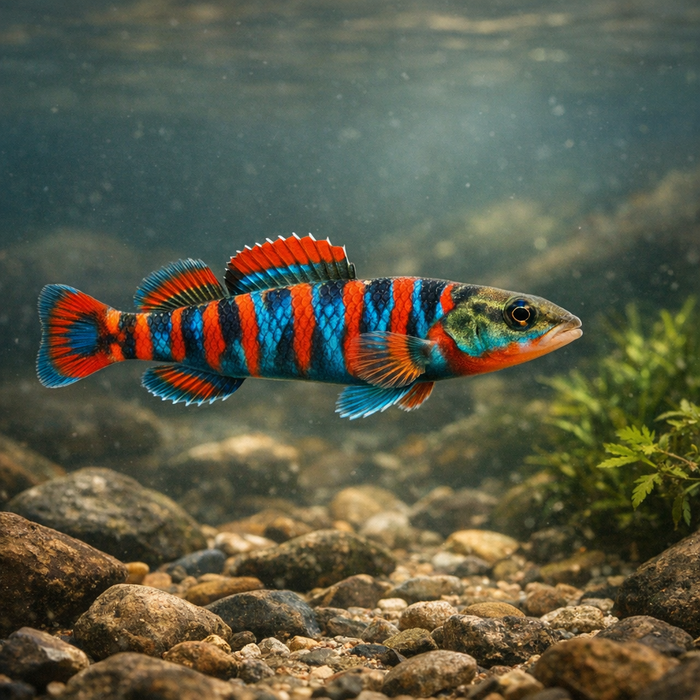
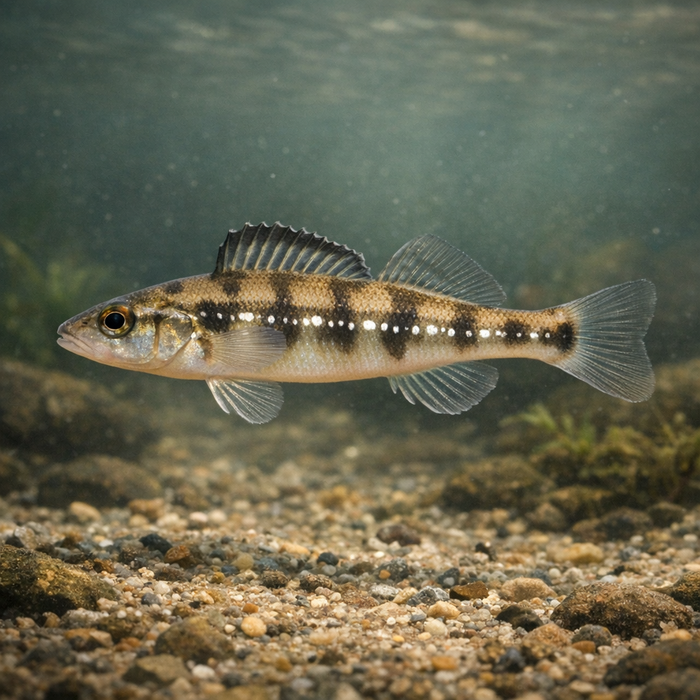
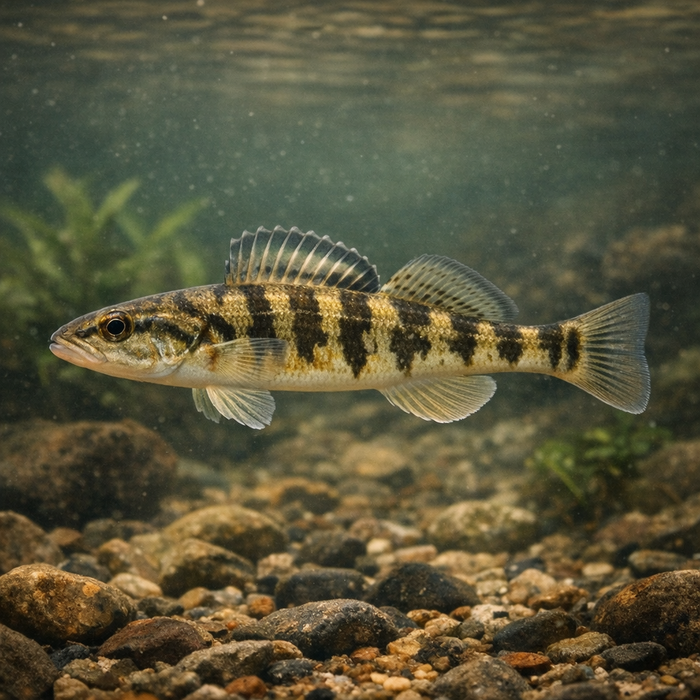
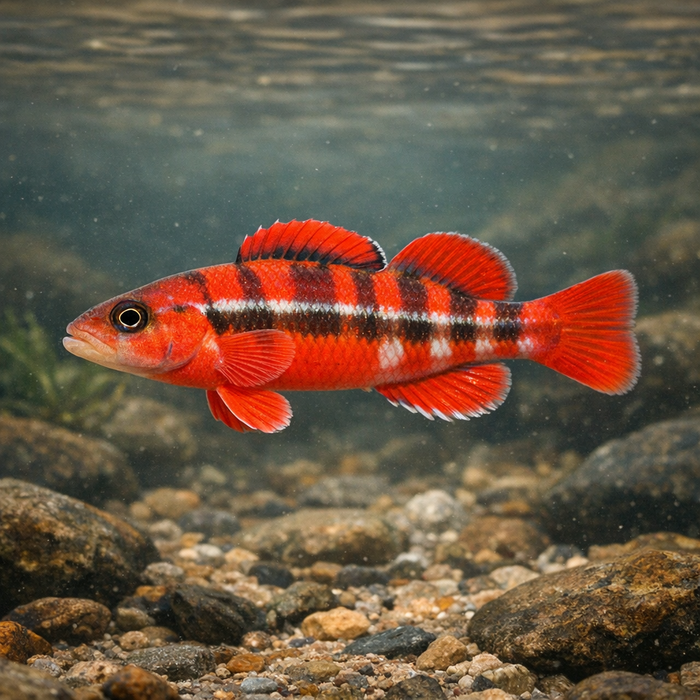
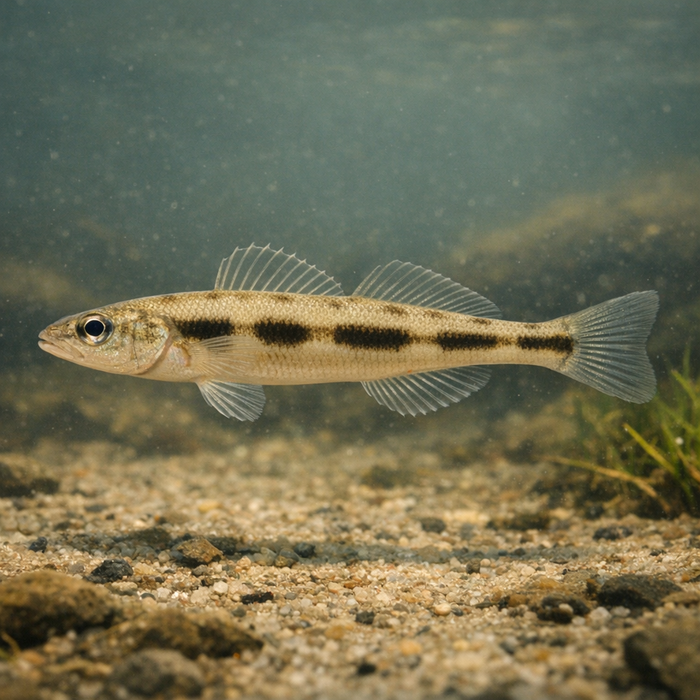
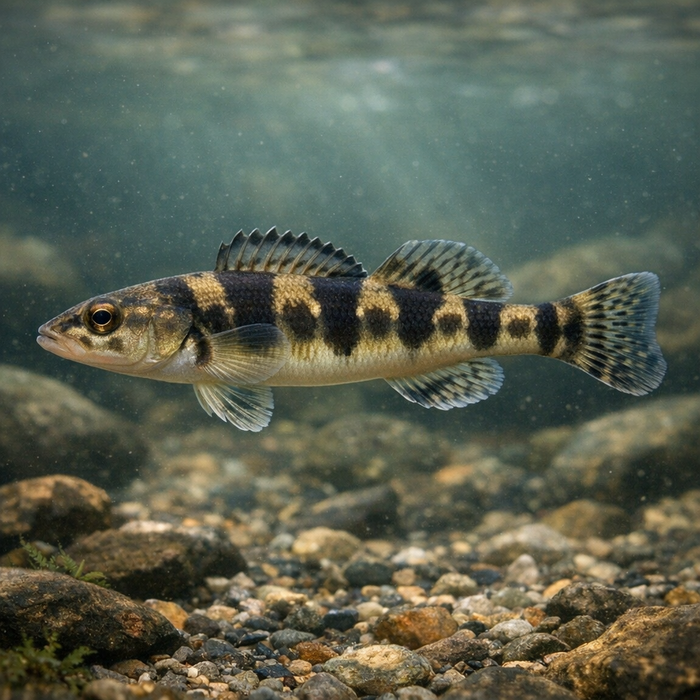
Okaloosa darter (Etheostoma okaloosae): Small Stream Specialist With A Big Recovery StoryIntroductionThe Okaloosa darter is proof that big personality fits in a two-inch package. This micro-sized, bottom-hugging rocket owns a few sandy creeks in Florida's Panhandle and somehow became a poster child for habitat restoration that actually worked. If you want Okaloosa darter facts, start with this: it's tiny, picky about real estate, and tougher than it looks.What Makes the Okaloosa darter Unique?Plenty of darters love riffles, but the Okaloosa darter takes it to extremes. Adults rarely leave the shallow, sandy runs where current hums and vegetation throws speckled shade. Breeding males light up with emerald bars and warm orange fins, looking like neon highlighters took a victory lap. And unlike many fish conservation stories that stall, this one delivered: the species rebounded thanks to targeted fixes like removing bad culverts and restoring natural flow paths.Habitat & Global RangeThe entire Okaloosa darter habitat footprint fits into a handful of short tributaries feeding Choctawhatchee Bay in Florida. Think spring-fed, crystal-clear to tea-stained water over sugar-white sand, dotted with eelgrass or other aquatic plants. They sit in seams, inches above bottom, where the current slides around woody debris and low vegetation. You won't see them in lakes or big rivers. This is a micro turf war, one riffle to the next, and the Okaloosa darter likes its home field.Behavior & TemperamentCall them stealth sprinters. The Okaloosa darter holds tight to sand, then bursts forward to smack tiny invertebrates. They don't cruise open water. They don't surface feed. They exploit cover, micro-eddies, and little dips in the substrate. During spring, males defend tiny territories and show off like pint-sized peacocks. Most of the day they're active in daylight where clarity is good, vanishing as soon as you move too fast or cast a clumsy shadow.Ecological ImportanceThe Okaloosa darter isn't a headline predator, but it's a razor-sharp indicator of stream health. Clean flow, intact banks, and unblocked passages all show up in their numbers. When they thrive, it means sediment is under control, native vegetation persists, and the macroinvertebrate buffet is humming. Lose them, and you've probably jammed the watershed with silt, chopped it into fragments, or strangled it with bad crossings. In short: their presence is a fast readout on freshwater function.Conservation & Environmental PressuresHere's the twist most anglers don't expect: the Okaloosa darter used to sit on the federal endangered list. Years of culvert fixes, erosion control, and smart management across Eglin Air Force Base untangled the watershed and let fish repopulate historic reaches. That's how this darter graduated from crisis to comeback. Still, the job's not done. Sand-choking runoff, careless bank trampling, and any new barrier can hit them fast. Stay mindful of local protections and access rules, especially on military lands.The FishyAF TakeThe Okaloosa darter isn't about grip-and-grin photos. It's about spotting a flash of green bars and realizing a tiny fish can headline a massive win for habitat. If you're chasing Okaloosa darter facts, know this: approach like a heron, not a bulldozer, and think observation first, fishing a far second. The species' recovery is the real trophy. Respect the creeks, keep your footprint featherlight, and let this little specialist keep doing what it does best: proving that clean, connected water still makes miracles in the Gulf Coast woods.