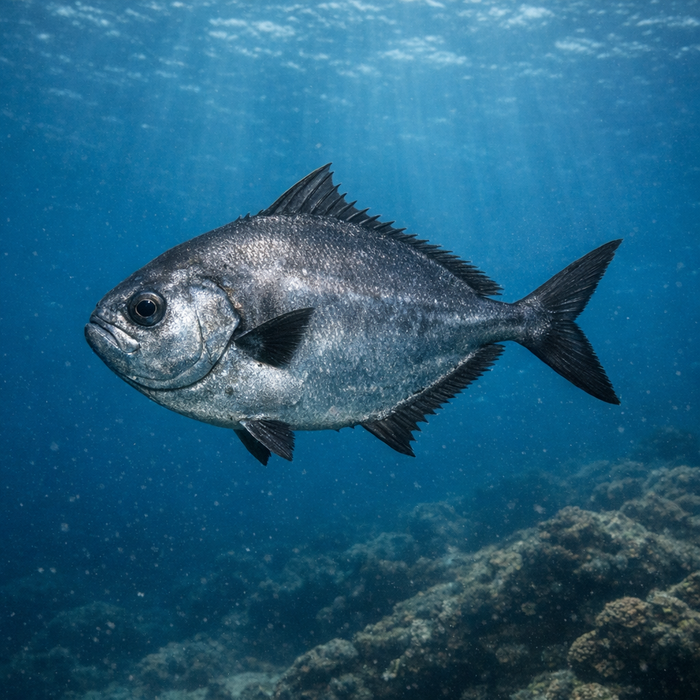
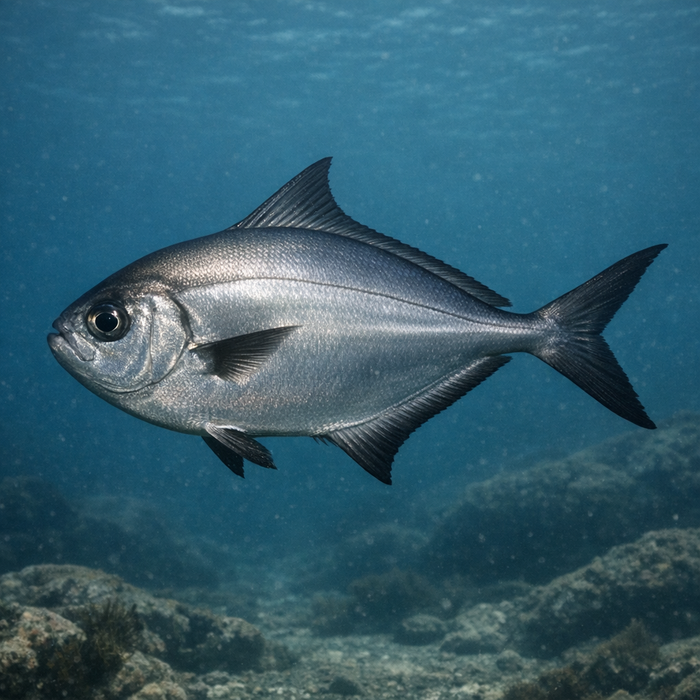
Opah (Lampris guttatus): Warm-Blooded Moonfish Built For The Midwater SprintIntroductionThe opah is a true oddball in a sea full of weirdos. Round as a manhole cover, glowing orange with white polka dots, and blessed with the oceans most enviable cardio, this fish breaks rules for breakfast. Anglers usually meet one by "accident" while chasing tuna or swords, only to discover it pulls like a tractor and tastes like a chefs secret. You wanted Opah facts? Start with this: its the first fish confirmed to be fully warm-blooded.What Makes the Opah Unique?Two things steal the show. First, endothermy. The opah runs a core a few degrees warmer than surrounding water using heat exchangers in its gills, keeping its heart and red muscle firing in chilly depths. Second, propulsion. Instead of relying on a scything tail like tunas, it flaps massive pectoral fins like wings, holding steady cruise speeds without burning out. Add that disco-ball paint job and you get a pelagic athlete disguised as a party platter. The opah doesnt just survive out there; it thrives.Habitat & Global RangeOpah habitat is all about midwater life in big blue desert. Lampris guttatus roams open-ocean zones where currents collide, temperature breaks sharpen, and bait layers stack between roughly 150 and 500 feet. Theyre cosmopolitan, cruising temperate and tropical belts worldwide, with solid encounters off California, Hawaii, Baja, the Azores, and New Zealand. Dont expect reefs, kelp, or obvious shoreline tells. Look to offshore banks, seamounts, and that magical mix of current lines, bird life, and squid marks on the sounder.Behavior & TemperamentThe opah is a deliberate hunter. Warm muscles and high myoglobin let it patrol for long stretches at steady speed, working the twilight zone for squid and small fishes. Its not slap-happy aggressive like a wahoo, but its no slouch either. When hooked, the fish leans into stubborn arcs and deep circles, using that slab profile to its advantage. Encounters spike around dawn, dusk, and at night when squid ride higher in the water column. Daytime fish tend to hold deeper. None of it is guaranteed; opah do opah things.Ecological ImportanceMidwater predators like the opah stitch together ocean food webs. By feeding heavily on squid and pelagic forage, they move energy up-chain to larger predators and, yes, to us. Their warm-blooded design lets them exploit cooler layers where strictly cold-blooded competitors lag. That flexibility likely buffers the species against short-term swings in temperature or prey distribution, a handy trait in an ocean that wont stop changing.Conservation & Environmental PressuresCurrently listed as Least Concern, the opah isnt flashing red lights. Most landings come from longline fleets targeting other pelagics, and recreational pressure is light because few crews truly target them. Still, climate-driven shifts in currents, prey timing, and oxygen layers could rewire where and when opah show. Bycatch practices, gear choices, and responsible handling matter. When regulations touch opah, theyre usually embedded in broader HMS rules rather than species-specific closures.The FishyAF TakeThe opah is the oceans curveball: showy as a parade float, engineered like a distance runner, and perfectly happy roaming nothingness where most anglers never look. If you chase pelagics, treat every clean temp break and squid mark like a lottery ticket. Hook one, and youll swear your jig snagged a flying hubcap with horsepower. For culinary payoff, its top-tier: multiple cuts with different textures that sear, grill, and slice into sashimi beautifully. Want more Opah facts? Heres one youll remember: once youve seen that fiery disc materialize out of cobalt, youll never confuse it with anything else on the planet.