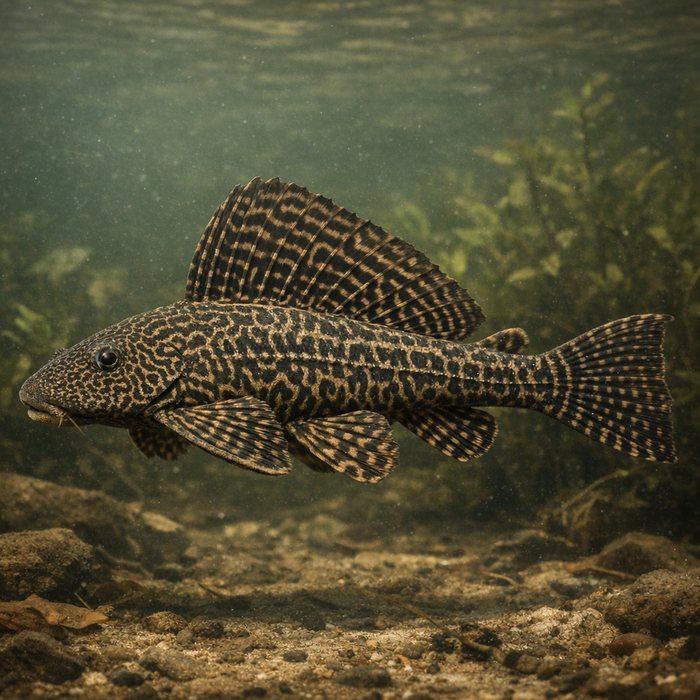
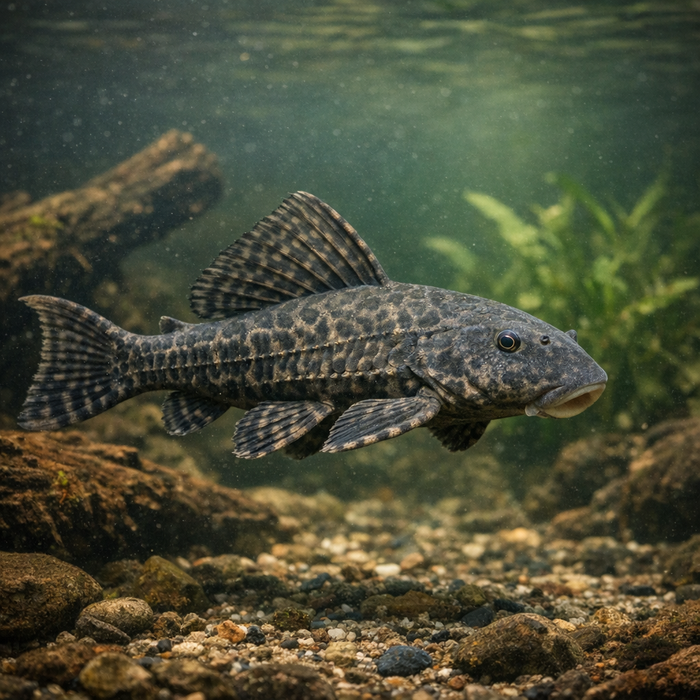
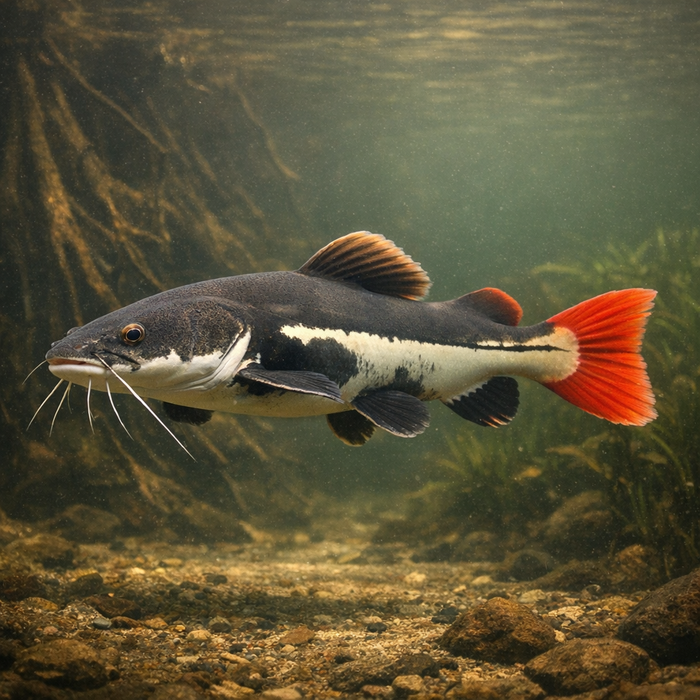
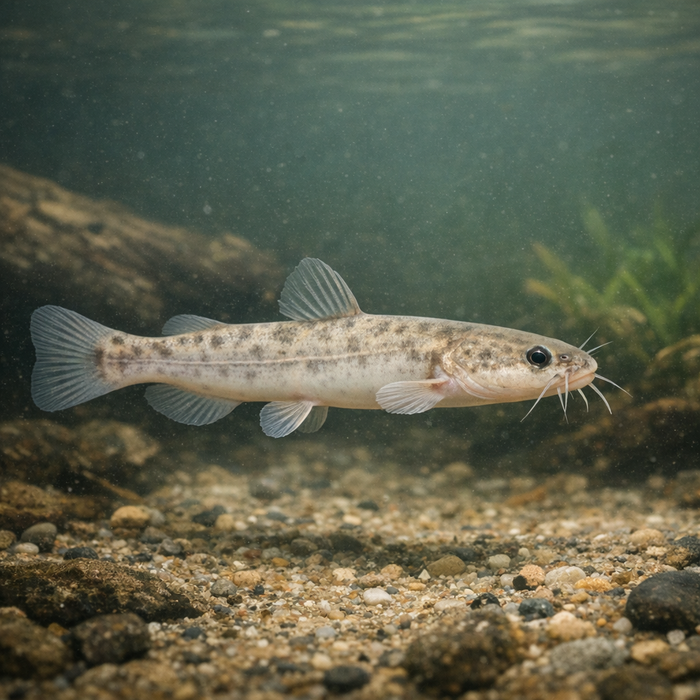
Orinoco Sailfin Catfish (Pterygoplichthys multiradiatus): Armored sucker with a sail that bulldozes banks and breaks assumptionsIntroductionThe Orinoco sailfin catfish might be the only fish that doubles as a cleanup crew and a bank-wrecking tunnel machine. It scrapes algae like a vacuum, rocks a high-rise dorsal fin, and shrugs off lousy water like it's training for an apocalypse. For anglers, it's an oddball target: tough to tempt, easy to spot, and way stronger than it looks. If you want Orinoco sailfin catfish facts with a dose of real-world fishing sense, you're in the right canal.What Makes the Orinoco sailfin catfish Unique?First, that sail. The oversized dorsal fin is stacked with rays, popping up like a flag when the fish is alarmed or cruising slow. Second, armor. Instead of typical scales, this fish wears bony plates studded with abrasive little odontodes. Finally, the mouth: a powerful sucker designed to rasp algae and biofilm off anything it can stick to. Pair that with air-gulping capability through a vascularized stomach and you've got a fish that laughs at low oxygen and urban runoff.Habitat & Global RangeThe Orinoco sailfin catfish is native to the Orinoco Basin but now headlines urban canal life across warm regions. Think slow, muddy rivers, floodplain lakes, irrigation ditches, and concrete-lined canals that grow mats of algae. If there's gently moving water, stable warmth, and hard surfaces to graze, you've got Orinoco sailfin catfish habitat. In invaded waters, they're notorious for burrowing into steep earthen banks to spawn, carving multi-foot tunnels that weaken shorelines.Behavior & TemperamentThese fish are mostly nocturnal grazers, sticking tight to bottom and structure during daylight. They're not wired like predators and rarely blitz bait, which makes them frustrating on hook and line. They spook easily, clamp down on surfaces with that vacuum mouth, and grind out battles like stubborn bulldogs once hooked. They often cruise in loose groups where food is thick, but you won't see flashy schooling or surface feeds. If you spot one, it's usually plastered to a bank, riprap, or culvert, wearing the don't-bother-me look.Ecological ImportanceIn their native waters, the Orinoco sailfin catfish helps recycle nutrients by grinding algae, detritus, and biofilm into the food web. The armor and air-breathing trick let them bridge rough seasons and stabilize populations. In places they've invaded, though, the script flips: bank burrowing accelerates erosion, nests displace native spawners, and their sheer biomass competes with local grazers. They're oddly good at exploiting human-made habitats, which is why you run into them under bridges and in backwater canals.Conservation & Environmental PressuresOfficial conservation listings for Pterygoplichthys multiradiatus are minimal, but local management can be intense where they're invasive. Cold snaps can clobber populations, yet warm, nutrient-rich years see numbers boom. Angling and removal efforts are sometimes encouraged to curb bank damage and competition with native fish. Bottom line: this species is hardy, adaptable, and rarely in danger globally, but it can be a problem child in the wrong watershed.The FishyAF TakeThe Orinoco sailfin catfish is the blue-collar oddball that turned urban canals into its personal buffet line. As a target, it's more puzzle than prize. You don't finesse them so much as out-stubborn them: quiet approach, dead-still presentations, and baits that smell like a salad bar. They're not glamorous, but they're weird, armored, and undeniably tough, and that's fun. If you're chasing Orinoco sailfin catfish facts or scoping new Orinoco sailfin catfish habitat to explore, start with warm, algae-streaked concrete and earthen banks pocked with holes. That's their comfort zone. Catch one and you'll see why we keep them in the guide: they're a reminder that "gamefish" isn't always about teeth and speed. Sometimes it's suction cups and stubbornness.