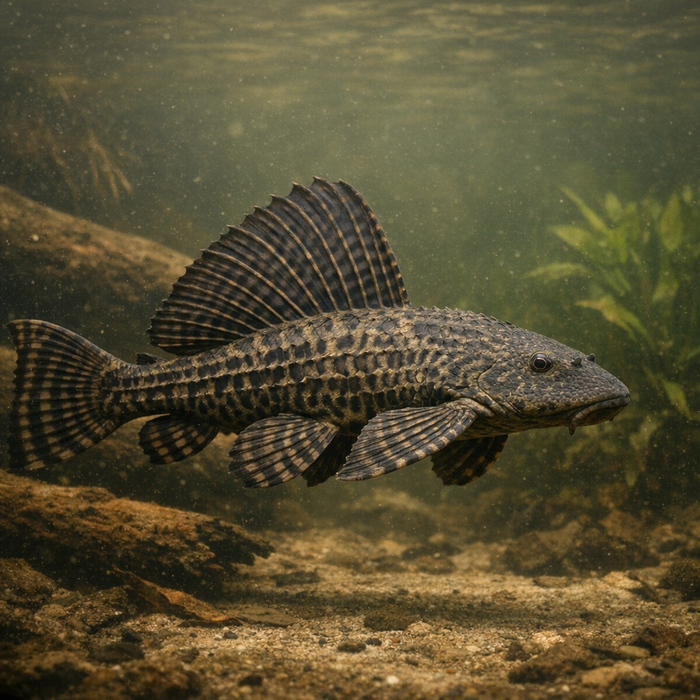
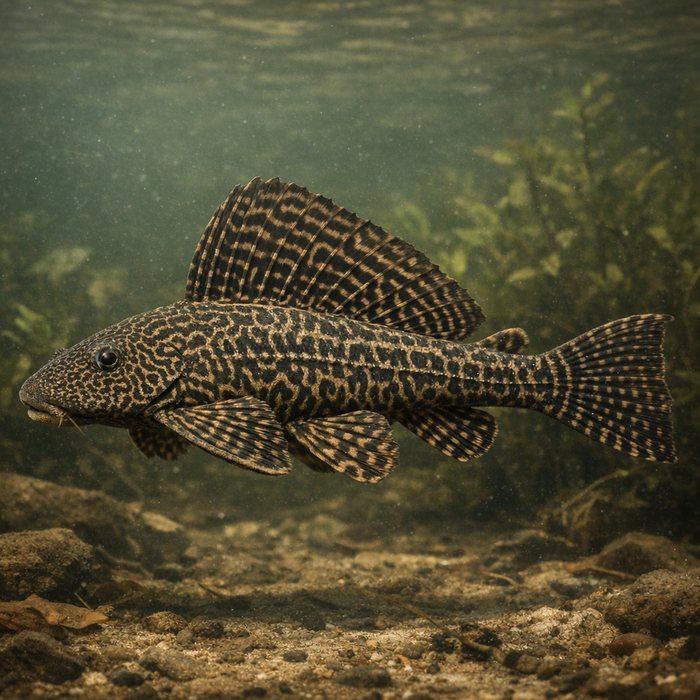
Suckermouth Catfish (Hypostomus plecostomus): Your armored algae vacuum with an attitude.IntroductionThe suckermouth catfish is the tank-cleaning legend that escaped the aquarium and set up shop in warm canals, lazy rivers, and urban spillways. It's not a classic sportfish, but when you do hook one, you're tied to a living suction cup covered in bone plates. This is a crash course in the fish that bulldozes algae, digs burrows, and survives water that would make other species tap out. If you're hunting real-world Suckermouth catfish facts and a practical read on Suckermouth catfish habitat, you're in the right place.What Makes the Suckermouth catfish Unique?First, the mouth. It's a heavy-duty plunger with rasping teeth built to vacuum biofilm off rocks, wood, and concrete. Second, the armor. Unlike smooth-skinned catfish, this one wears interlocking bony plates that shrug off scrapes and casual predators. Third, the survival tricks. Hypostomus plecostomus can gulp air and absorb oxygen through a specialized gut, letting it hang tough in dirty, low-oxygen water that would KO many fish. Add in spines that lock to jam itself into crevices, and you get a surprisingly tough customer for such a mellow grazer.Habitat & Global RangeThe suckermouth catfish is native to parts of tropical South America but now roams far beyond, thanks to aquarium releases. You'll see it in Florida and Texas canals, Central American waterways, and tropical city drainage where algae is on tap 24/7. Think warm, slow, and structured: riprap banks, concrete culverts, bridge pilings, laydowns, and root tangles. They root around on the bottom, hugging cover and shade, and they're happy in turbid water. When water cools, they sulk deeper or drop into warm springs and discharges. Spawning involves cavities or bank burrows, which is part of why they concentrate near vertical edges and undercuts.Behavior & TemperamentDespite the armor, the suckermouth catfish is a chill operator. It spends most of its life glued to something solid while scraping meals molecule by molecule. Mostly nocturnal, it perks up in low light, slipping between rocks like a stealth Roomba. It's not a reckless biter; getting one to take a hook is often more about patience than presentation. Hooked fish pull steady and stubborn, using body mass and leverage instead of speed. They rarely sprint, but they absolutely bulldog, especially when they lock those spines and try to anchor to the bottom.Ecological ImportanceLeft alone, a suckermouth catfish is an algae manager and detritus recycler with an industrial-strength digestive tract. In native ranges, that can be a net positive, clearing surfaces for other organisms. In nonnative waters, things get complicated. Burrowing can loosen banks, and their scraping can outcompete delicate grazers. They also skew food webs by converting scummy biofilm into armored biomass few predators love eating. Whether hero or headache depends entirely on the watershed.Conservation & Environmental PressuresHypostomus plecostomus isn't generally threatened, and in many places it's thriving too well. Cold snaps can wipe out northern-edge populations, but warm urban waters, springs, and power-plant discharges give them refuges. In some regions managers encourage removal, though legal methods vary. Misidentification is common because multiple loricariid species look similar, so regulations often treat them as a group. Wherever you fish them, check the rules first.The FishyAF TakeThe suckermouth catfish is the ultimate urban rough fish: common in the right zip codes, tough as nails, and maddeningly picky about hooks. If you like puzzles, here's one with armor, suction, and attitude. Dial in bottom presentations, think like a grazer, and you'll eventually stick one. Not every trophy has teeth; some wear plates and eat salad.