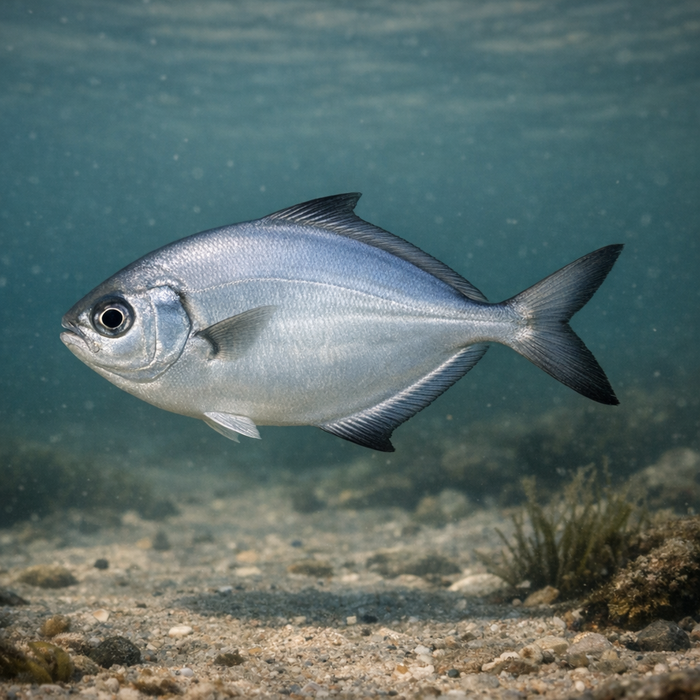
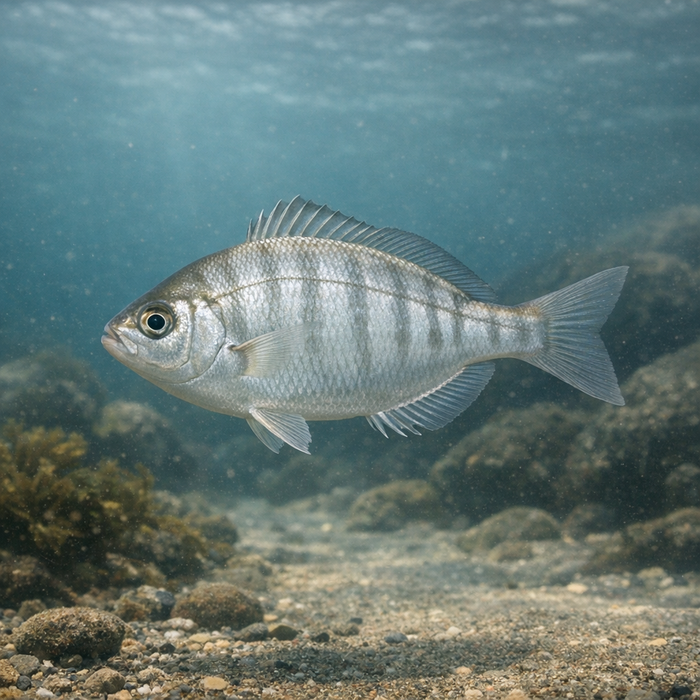
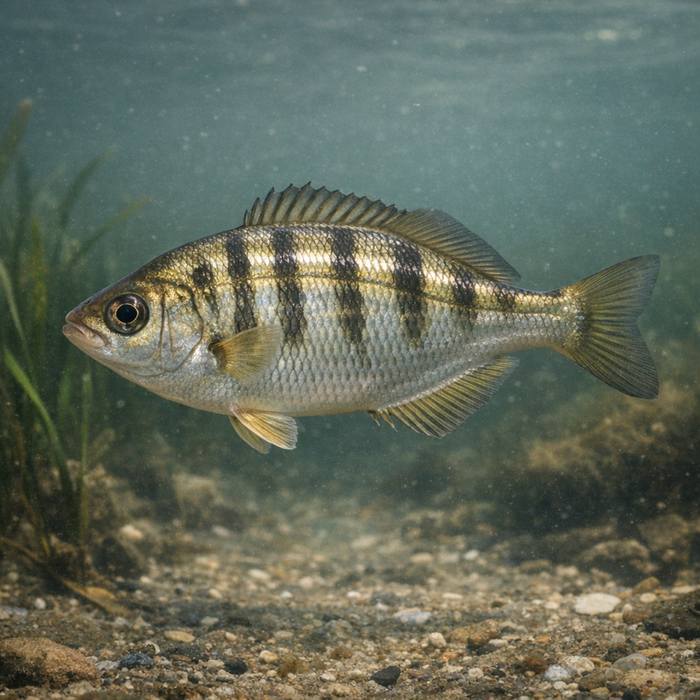
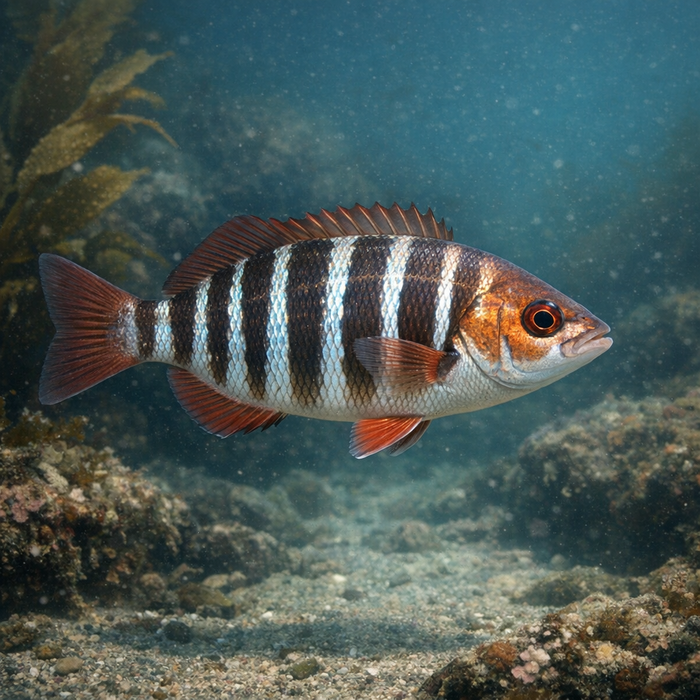
Pacific Pompano (Peprilus simillimus): A Bold, Memorable Hook LineIntroductionThe Pacific pompano is the beach-break bandit you keep bumping into when the surf is alive and foamy. Slick as chrome and thin as a dinner plate, it slides through the wash, snaps up sand crabs, and punches way above its weight on light gear. If you're prowling the shoreline with a pocketful of Carolina rigs, this fish is your fast-lane ticket to steady action and salty grins.What Makes the Pacific pompano Unique?Two traits make the Pacific pompano stand out: an ultra-slick, near-scaleless body and synchronized fins that scream efficiency. The long, matching dorsal and anal fins act like paired stabilizers, letting the fish knife through churned water with surprising control. Add the mirror-grade silver sides that vanish in sunlit foam and you've got a stealth mini-predator custom-built for shallow surf. Also, juvenile Pacific pompano ride the jellyfish express, sheltering among stinging tentacles like little aquatic outlaws. If you're collecting Pacific pompano facts to impress your buddies, start there.Habitat & Global RangeWhen someone says Pacific pompano habitat, think sandy beaches, estuary mouths, and gentle nearshore flats from Alaska to Baja California, with the sweet spot squarely on the U.S. West Coast. They hunt tight to the beach face, working troughs, rip edges, and sandbar seams often in one to fifteen feet of water. Warm months supercharge their shoreline presence, and small schools will ghost through the whitewater looking for crab-rich patches. They're not reef rats and they don't need wrecks; shifting sand is home base.Behavior & TemperamentDespite their mellow reputation, Pacific pompano feed with intent. They key on rhythm: incoming waves lift sand, sand lifts crabs, and the fish pounce. Expect short feeding flurries when tide, swell, and light line up. They school loosely, and once you find one, you'll often find a handful more running the same lane. Fights are scrappy, quick, and jittery. On ultralight tackle a one-pounder feels feistier than it has any right to be.Ecological ImportancePacific pompano are part of the beach-zone assembly line, converting sandy invertebrates into energy for larger predators. Juveniles that pal around with jellyfish show how clever this lineage is at exploiting oddball niches. Their role as mid-food-chain foragers keeps shoreline ecosystems humming along, linking plankton, crabs, and nearshore predators in a neat, looping circuit.Conservation & Environmental PressuresOverall, the species is in decent shape. Localized pressures, however, can change the vibe fast. Heavy surf traffic, beach grooming, and stormwater pulses can thin out crab beds and mute the bite. Marine heatwaves shuffle timing and distribution, sometimes pushing better action north or deeper. Netting and bycatch are generally limited concerns compared to habitat quality. Keep beaches healthy and the pompano usually follow.The FishyAF TakeThe Pacific pompano is not a hero fish. It's a happiness fish. It rewards anyone willing to read a sandbar, match the local forage, and walk a beach with purpose. It makes new anglers feel competent and keeps salty vets honest about fundamentals. If you want swagger shots with giant trophies, look elsewhere. If you want a pocket masterclass in tides, edges, and timing, the Pacific pompano delivers. And when the surf is right, it does it again and again. That's the kind of reliability we fish for.