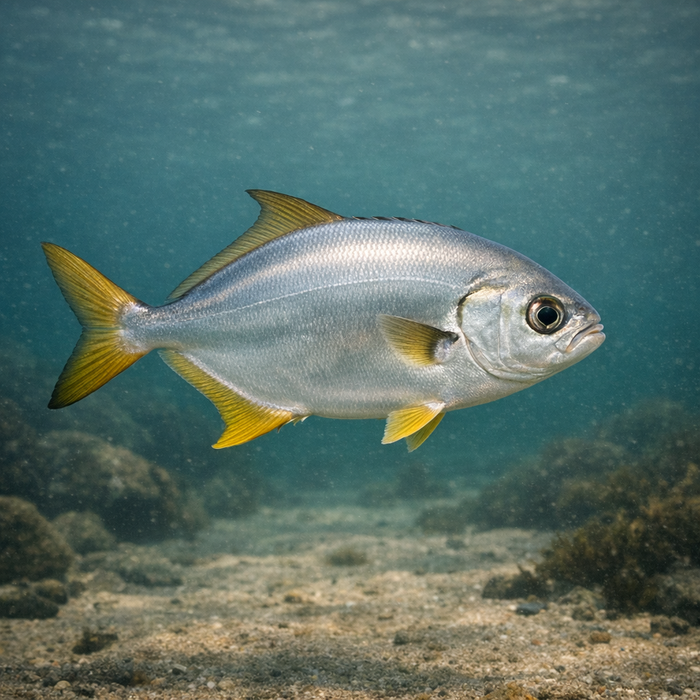
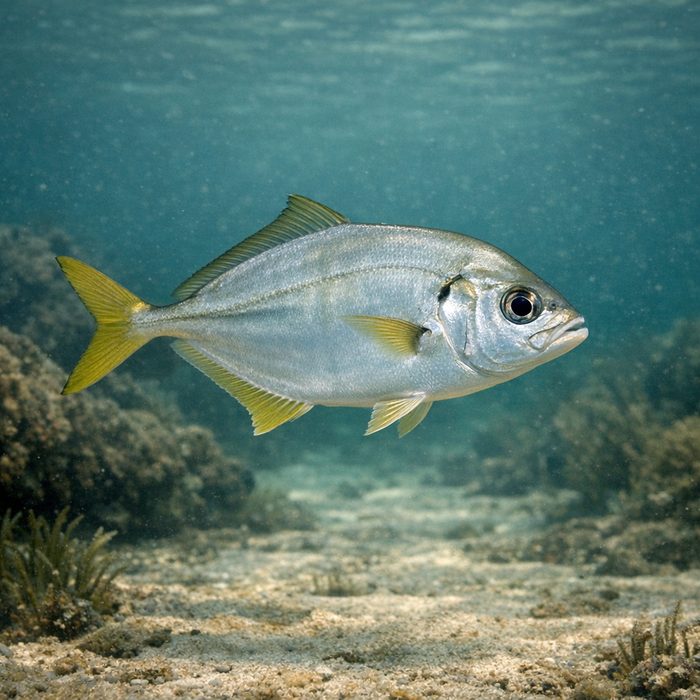
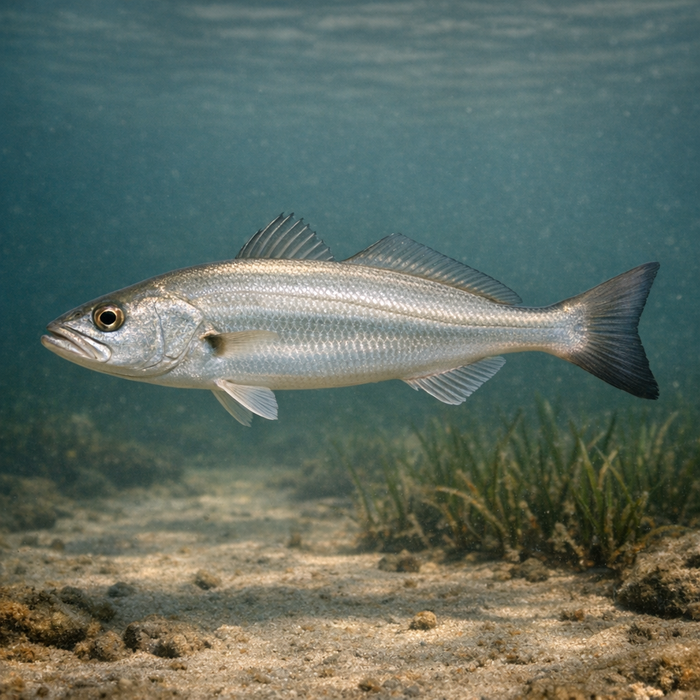
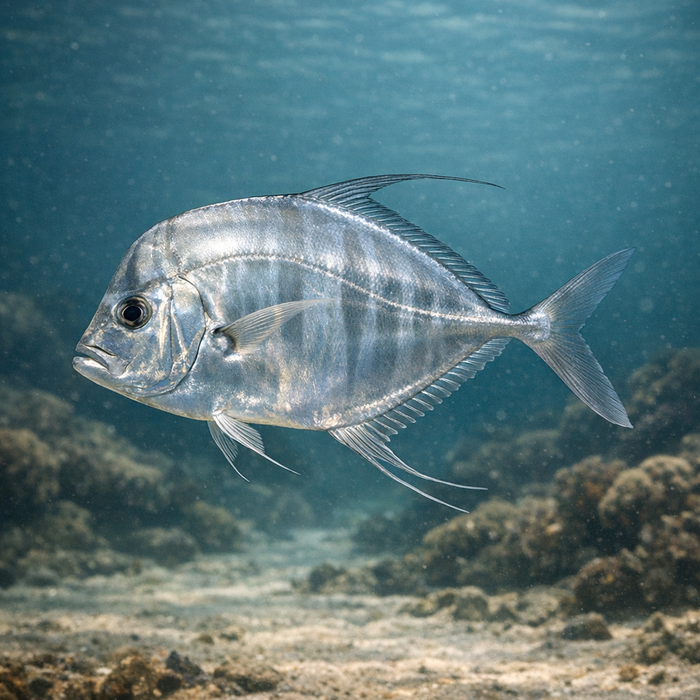
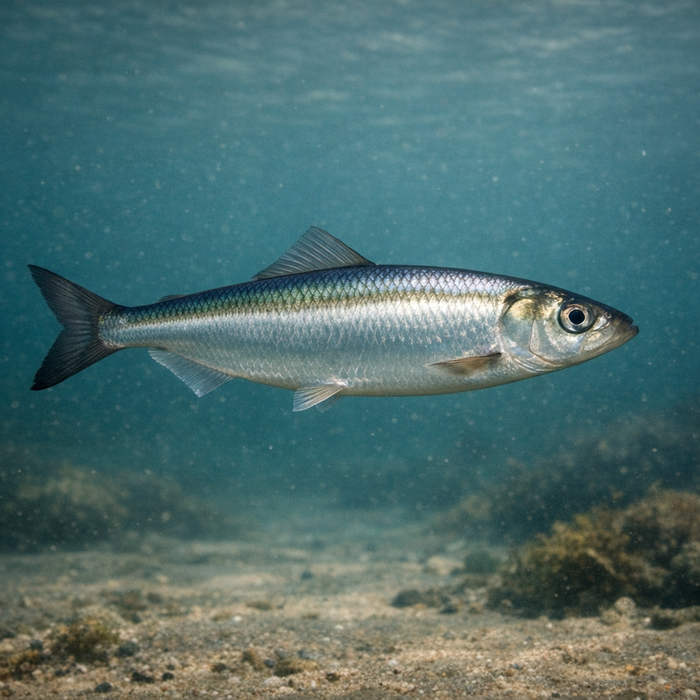
Atlantic Butterfish (Peprilus triacanthus): Small, silver, and slick as a bar of soap when it hits the deckIntroductionThe Atlantic butterfish is the shiny surprise that turns a lazy summer drift into a fish fry. These coin-shaped speedsters roll through coastal waters in dense schools, crushing micro-crustaceans and tiny bait with casual efficiency. They aren't famous for drag-melting runs or wall-hanger mounts, but ask any pier rat or inshore troller and you'll hear the same thing: when Atlantic butterfish show up, the cooler fills fast and the grill gets hot. If you're hunting Atlantic butterfish facts or curious about Atlantic butterfish habitat, buckle up for a tidy crash course.What Makes the Atlantic butterfish Unique?Start with the shape. The Atlantic butterfish is a slick, disk-like fish with a nearly straight lateral line, a deeply forked tail, and long dorsal and anal fins that work like stabilizers. Unlike many inshore species, adults lack pelvic fins, giving them that unmistakable coin profile. The real party trick belongs to the kids: juvenile butterfish often shelter among jellyfish tentacles, protected by a mucus coating that resists stings. Add rapid growth and short lifespans, and you've got a species built for boom-and-bust schooling in rich nearshore waters.Habitat & Global RangeYou'll meet Atlantic butterfish along the western North Atlantic, from the cool Gulf of Maine down into the Southeast's warmer edges. They're classic coastal pelagics, hovering off sandy bottoms, along tide lines, and across the continental shelf's nearshore side. Think gentle rips, trawler wakes, channel edges, and bait-rich stretches where plankton stacks up. Depth varies by season and temperature, but midwater is their office. In summer, schools push close enough for shore-bound shots from piers and jetties. As temperatures drop, they slide deeper, often shadowing bait and current seams that deliver a steady buffet.Behavior & TemperamentAtlantic butterfish are schooling opportunists. They roam open water, rising or dropping quickly with light, bait density, and current. Aggression isn't mackerel-level chaos, but when they're chewing, you'll see taps turn to triples on a sabiki in a blink. They're not structure haters, just indifferent. Edges and flows matter more than rocks or wrecks. Hooked fish buzz and twist without much brute force, making them a perfect ultralight target for kids, casuals, and anyone who enjoys fast, rhythmic action.Ecological ImportanceThis fish is a mid-chain workhorse: predator and prey rolled into one gleaming package. Atlantic butterfish hoover zooplankton, krill, and micro-bait, then fuel a long list of coastal predators, from bluefish and striped bass to tunas and porpoises. Their pelagic eggs and larvae drift on shelf currents, seeding fresh cohorts broadly. That dispersal, plus quick growth, helps buffer year-classes against the ocean's mood swings. When butterfish schools are healthy, the entire food web nearshore feels snappier.Conservation & Environmental PressuresCurrently tagged as Least Concern, Atlantic butterfish support meaningful commercial harvests and steady bycatch. The real vulnerabilities are environmental: warming seas shifting plankton timing, localized hypoxia, and heavy summer traffic that can fragment schools. Fortunately, their biology helps. Short lifespans and pelagic spawning allow quick rebounds when conditions line up. Still, pay attention to management updates and local advisories. For a species this abundant, small changes in timing and temperature can ripple hard through availability.The FishyAF TakeThe Atlantic butterfish is the coastal equivalent of finding spare cash in your jacket. You didn't plan on it, but when it shows up, you're grinning. They're approachable, tasty, and honest about what they are: fast-moving midwater snacks that make simple gear feel smart. Chase the edges, watch the bait, and don't overthink it. For everyday anglers, the Atlantic butterfish is proof that not every win needs a pedestal. Sometimes the best day is a pile of silver and a hot pan.