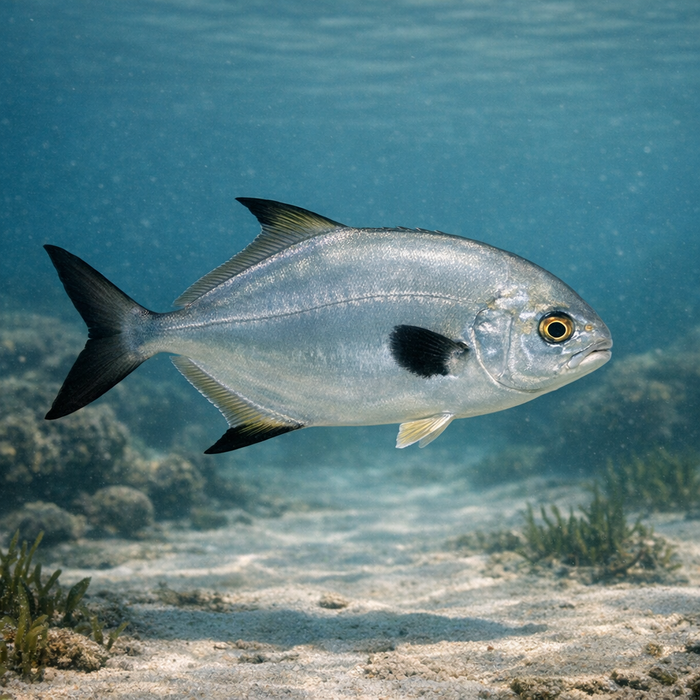
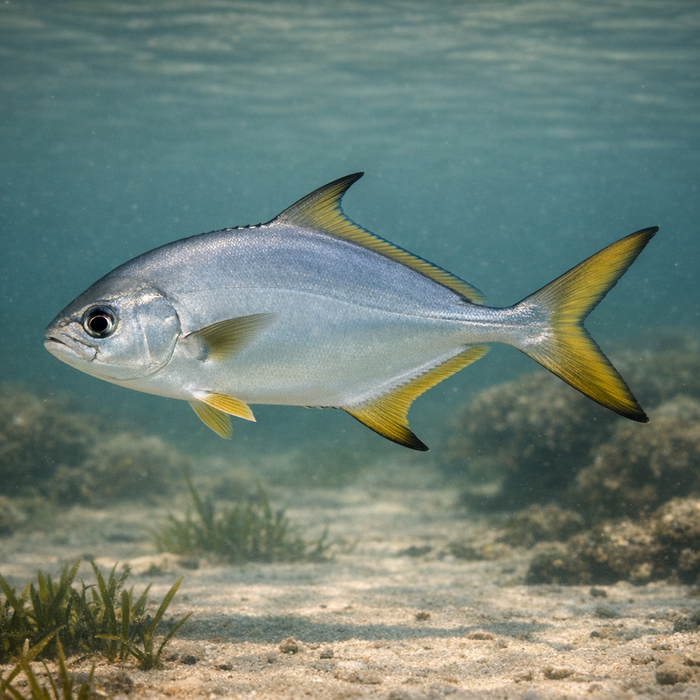
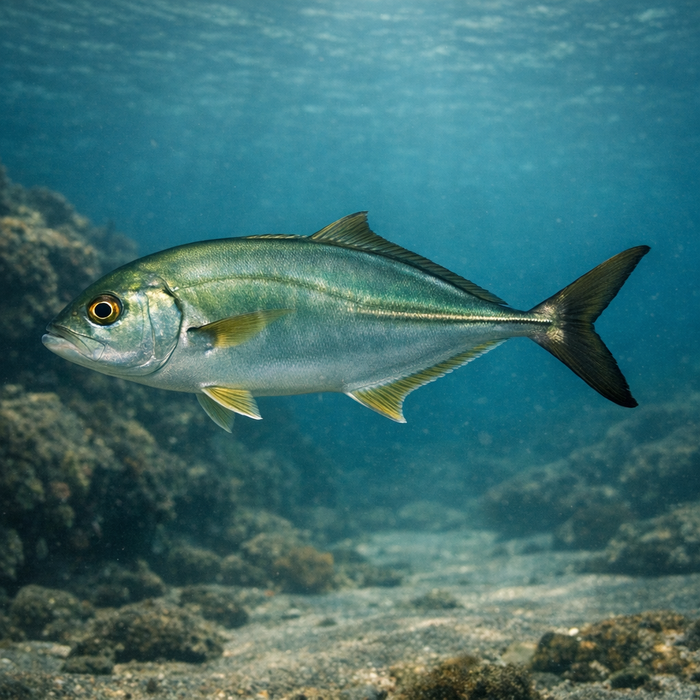
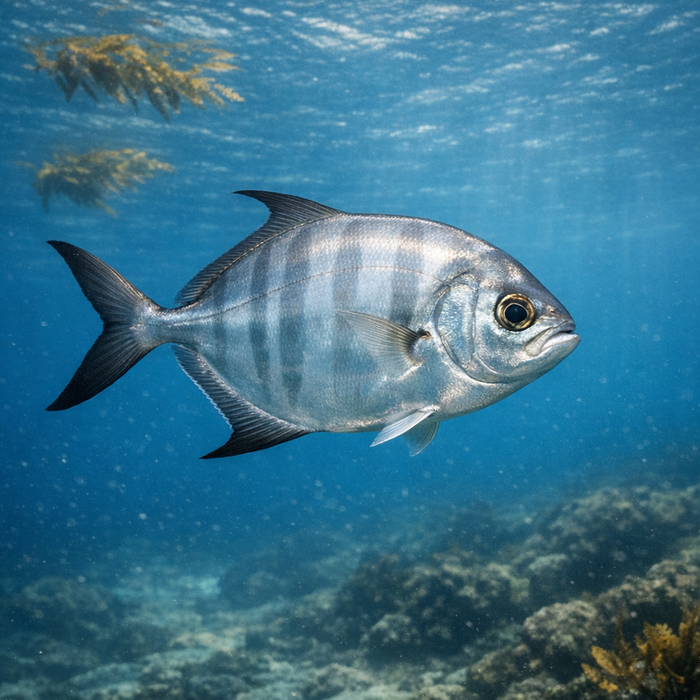
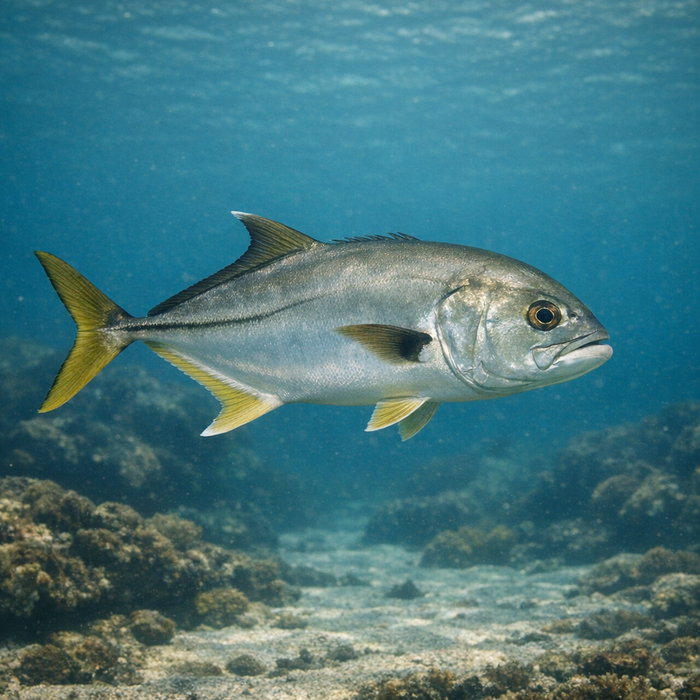
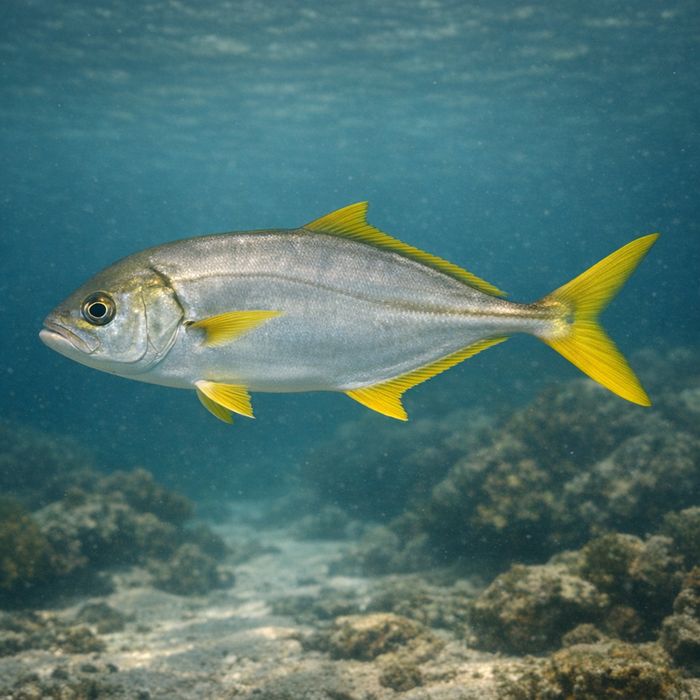
Hairfin Lookdown (Selene brevoortii): A Bold, Memorable Hook LineIntroductionThe hairfin lookdown is the chrome coin doing magic tricks under your marina lights. It slides in, flares those ridiculous fin streamers, and vacuums up shrimp while pretending to be a drifting scrap of nothing. Anglers who know this fish appreciate finesse over brute force. If you're chasing razor-thin, hyper-reflective weirdos, the hairfin lookdown delivers.What Makes the Hairfin lookdown Unique?Start with that face. The forehead drops like a cliff, pushing the eyes up high so the fish can "look down" and hunt below while moving forward. Then there's the body: so laterally thin it can practically disappear by turning edge-on. The hairfin part? Juveniles trail long, hairlike filaments off the dorsal and anal fins that make them look like sea grass or junk, which keeps predators guessing. Add a chrome-silver skin that shifts to smoky gray in seconds and you've got a master of visual deception.Habitat & Global RangeThis species works the Eastern Pacific, from Southern California in warm years through Baja, the Gulf of California, Central America, and down to Peru. Hairfin lookdown habitat trends toward clear, shallow water over sand or light rubble, especially around piers, marinas, seawalls, and quiet coves. Current lines and shadow edges are prime real estate. They're classic inshore fish: close enough to catch on foot, selective enough to make you earn it. If you're researching Hairfin lookdown habitat, think sandy bays with a touch of flow and something to throw shade.Behavior & TemperamentHairfin lookdowns school and hover like they're on tiny underwater drones. They'll hold in a carousel around dock lights, sliding in and out of beams with spooky control. The bite is surgical, not savage. Expect quick pecks and inhalations on micro baits. They aren't freight trains when hooked, but they'll dog you with smart, stubborn dips and side-slips. Precision rules here: hair-thin leaders, tiny hooks, and soft hands. This is also a fish that shares space with anchovies, silversides, and shrimp swarms, so timing your efforts with tide and light makes a big difference.Ecological ImportanceDespite their flashy looks, hairfin lookdowns are middleweight predators keeping small crustacean and baitfish populations in check near shore. Their super-compressed bodies let them thread tight spaces and exploit vertical structure where plankton and shrimp stack up. In turn, they feed larger coastal predators. The juvenile fin filaments are more than fashion; that camouflage trick likely boosts survival during a vulnerable stage, stabilizing local recruitment in these busy nursery zones.Conservation & Environmental PressuresRight now, the hairfin lookdown sits far from the global spotlight. No big commercial pressure, little targeted sport harvest, and lots of incidental bycatch around lights and piers. The bigger risks are habitat quality and water clarity. Marinas and bays collect pollution, and poor water quality can wipe out the exact micro-ecosystems lookdowns rely on. Coastal development that removes shadowed edges, quiet flats, and current seams chips away at their playbook. Fortunately, this fish seems adaptable within the inshore zone, and many regions report consistent local numbers.The FishyAF TakeThe hairfin lookdown is the anti-brag fish that still makes you brag. It's picky, theatrical, and perfect for anglers who like solving puzzles instead of winching tuna. If you're hunting Hairfin lookdown facts, here's the big one: your success is tied to restraint. Go small on everything. Read shadow lines like a map. Treat every bite like a test. Nail it, and you'll watch a living mirror wink into view, flare those silky fin rays, and remind you that finesse fishing can be way more satisfying than swinging a sledgehammer offshore. Subtlety wins here, and that's why we dig it.