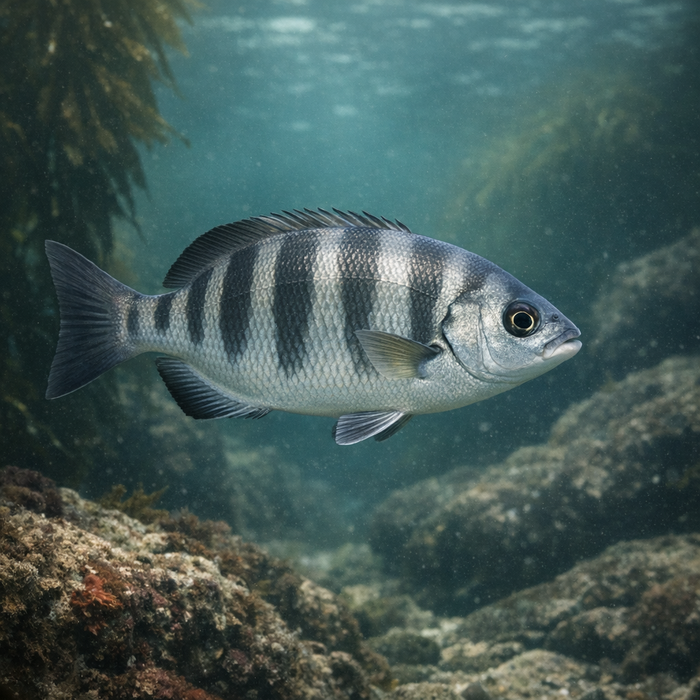
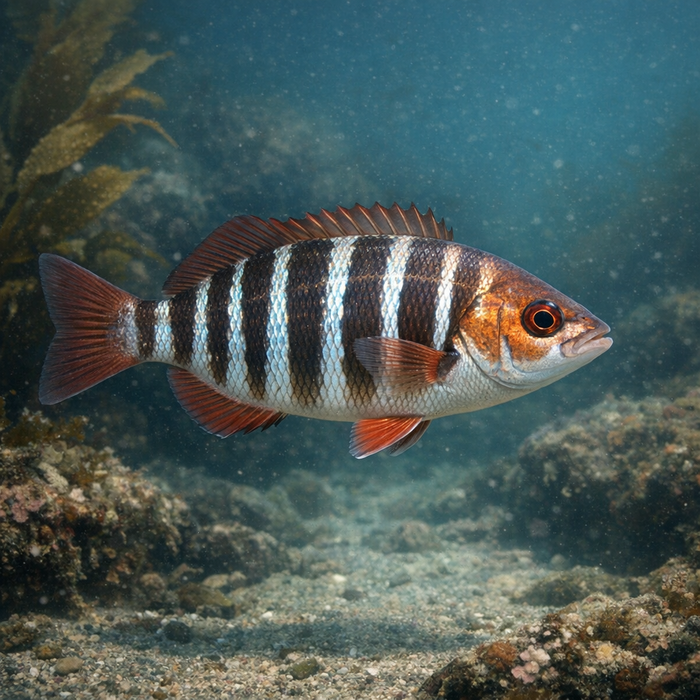
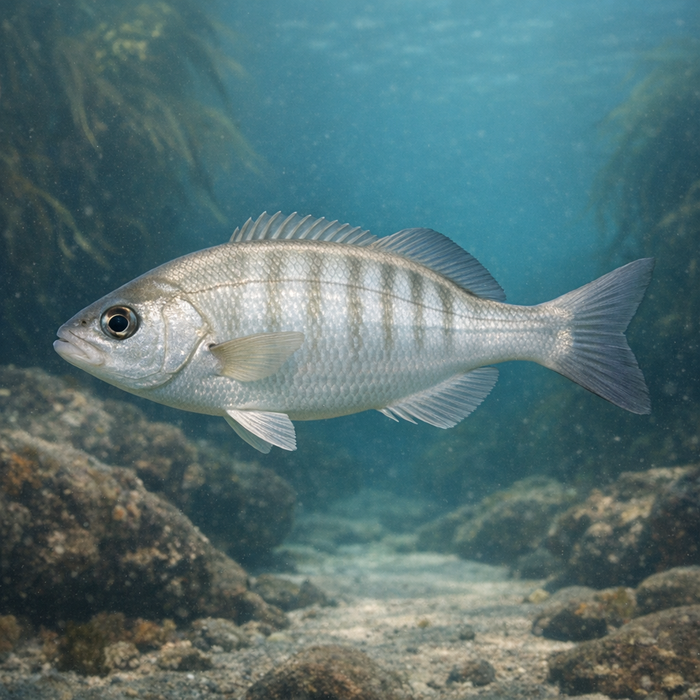
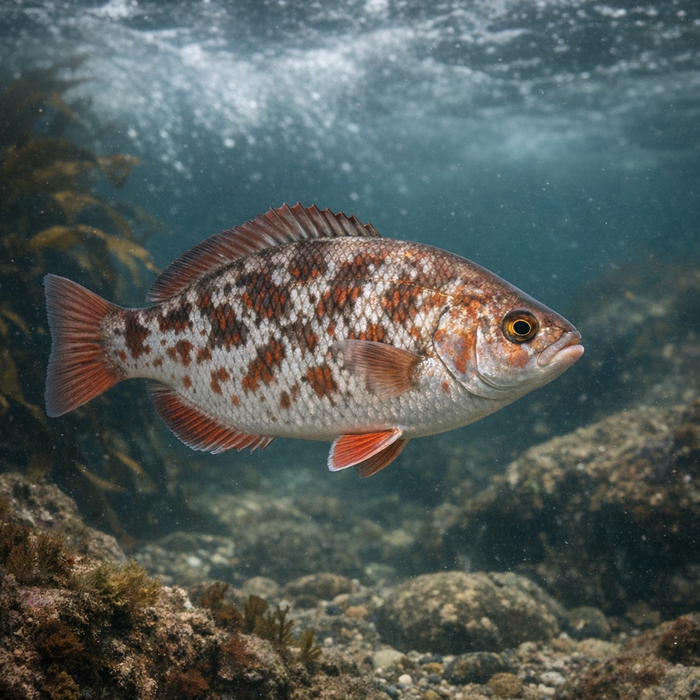
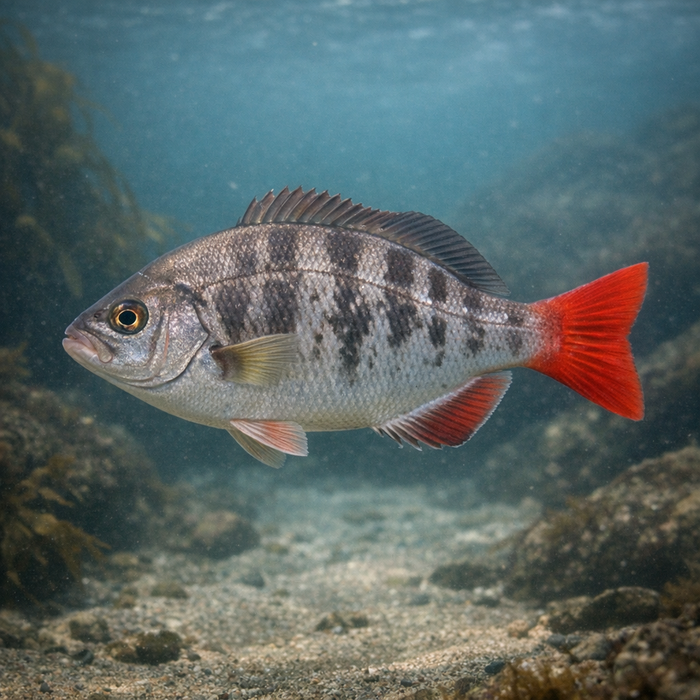
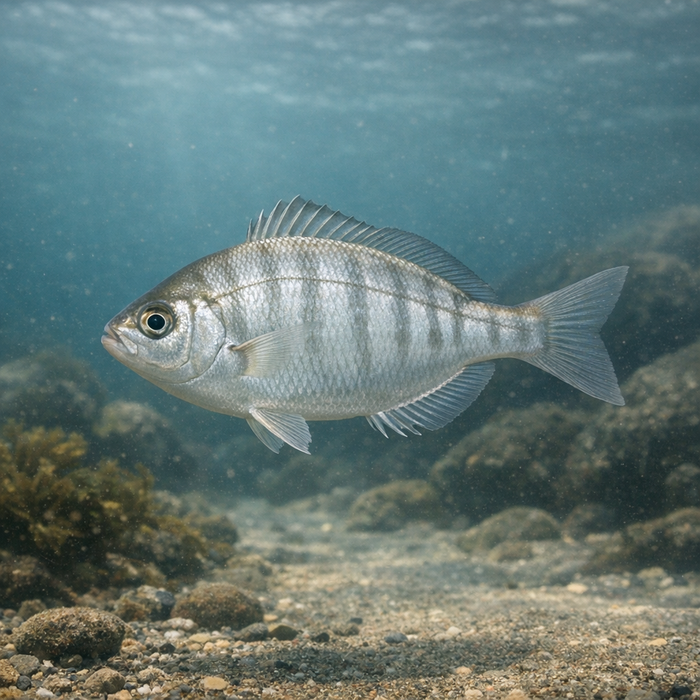
Shiner Perch (Cymatogaster aggregata): Glittering bait-size troublemakers with big-school energy and zero quit around a piling.IntroductionIf you fish West Coast piers or estuaries, you've met the shiner perch. They mob your bait, shake the rod with outsized confidence, and show up wherever eelgrass, pilings, and flow meet. Small package, big presence. This is the fish that turns a slow tide into non-stop taps, then vanishes when the current slackens. Here's the straight-shot guide packed with shiner perch facts and real-world nuance you'll actually use.What Makes the Shiner perch Unique?First, they're livebearers. Unlike most marine fish, shiner perch carry their young for months and release fully formed, ready-to-hunt miniatures. Second, they school so tightly their scientific name, aggregata, literally celebrates their pack mentality. Third, they thrive in chaos: salinity swings, boat traffic, noisy piers. Where other fish sulk, shiner perch just keep snacking. Add a flashy, gold-with-bars paint job and you've got an estuary specialist that's tailor-made for quick action.Habitat & Global RangeThe shiner perch is a Pacific coast resident from Alaska to Baja California, with the center of gravity in bays, harbors, and protected coastal edges. If you're looking up Shiner perch habitat for a trip, think eelgrass beds, dock pilings, rock jetties with calmer pockets, and channel edges that funnel plankton and microcrustaceans. Depth is mostly shallow: ankle-deep to 30 feet, occasionally more if food stacks. They favor places where current concentrates food but still lets a compact fish hold position without getting blasted.Behavior & TemperamentThis species is social to the core. Schools often sort by size and pulse around structure like one glittering organism. They're opportunistic feeders, pecking at amphipods, small worms, and drifting bits with machine-like efficiency. On light tackle, the fight is brief but punchy. Don't expect screaming runs; expect rapid taps, tight circles, and that immediate thump of a confident biter. Movement patterns key on tide. Rising or falling water wakes them up; slack tides can make them ghostlike. They shift vertically with conditions, sliding midwater when plankton lifts and hugging structure when wind and chop push surface food away.Ecological ImportanceDespite their modest size, shiner perch are estuary glue. They convert plankton and tiny invertebrates into calories for everything up the chain: salmonids, lingcod, halibut, cormorants, and harbor seals. Their livebearing strategy seeds bays with hardy recruits, buffering seasonal swings in recruitment. When conditions degrade, you feel it fast in this species. Because they're common, quick-growing, and close to shore, they're also useful bellwethers for nearshore water quality.Conservation & Environmental PressuresOverall, the shiner perch is doing fine, but it lives where people play rough with water. Eelgrass loss, stormwater pulses, and shoreline hardening carve into their best neighborhoods. Prolonged droughts concentrate salinity; extreme rain flips it the other direction. Both can reshuffle schools. Boat traffic and harbor maintenance churn up silt and reduce visibility, pushing fish to quieter corners. The good news: resilient life history and a taste for structure keep them around piers and marinas even when conditions wobble. Keeping eelgrass intact and runoff filtered pays immediate dividends for this fish and the whole food web built around it.The FishyAF TakeThe shiner perch is the unsung hero of West Coast kidhoods, pier rats, and anyone who just needs a rod to bend. It's honest fishing. Show up with tiny hooks, a sliver of shrimp, and moving water, and they'll oblige. They won't spool you, they won't headline your montage, but they will turn dead time into laughter. If you're an info hound, this is the fish that teaches tides, current edges, and bait control without punishing you for small mistakes. Learn on shiner perch, and the rest of the inshore scene gets easier. Call them bait if you want. We call them reliable, shiny, and way more important than their weight suggests.