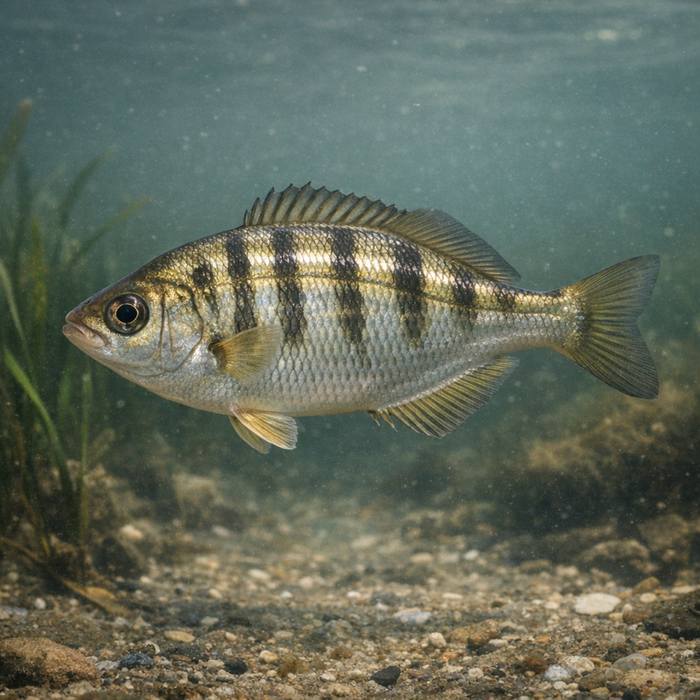
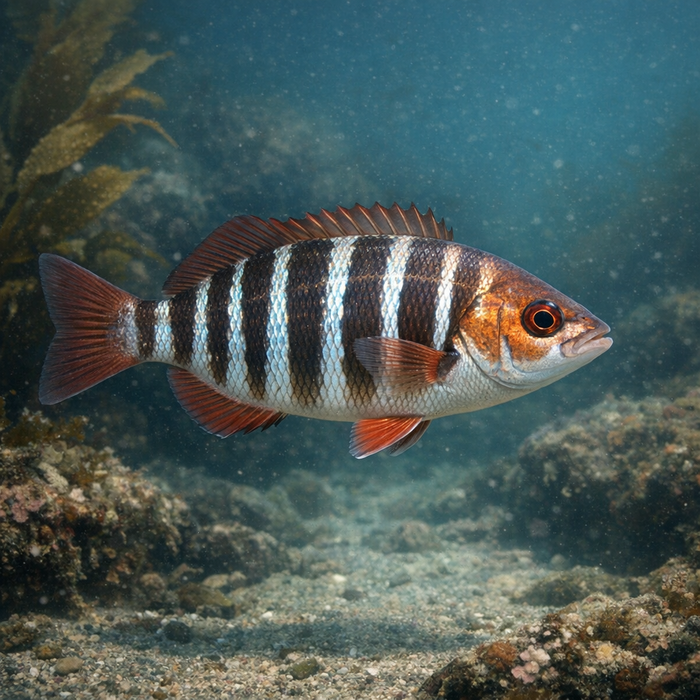
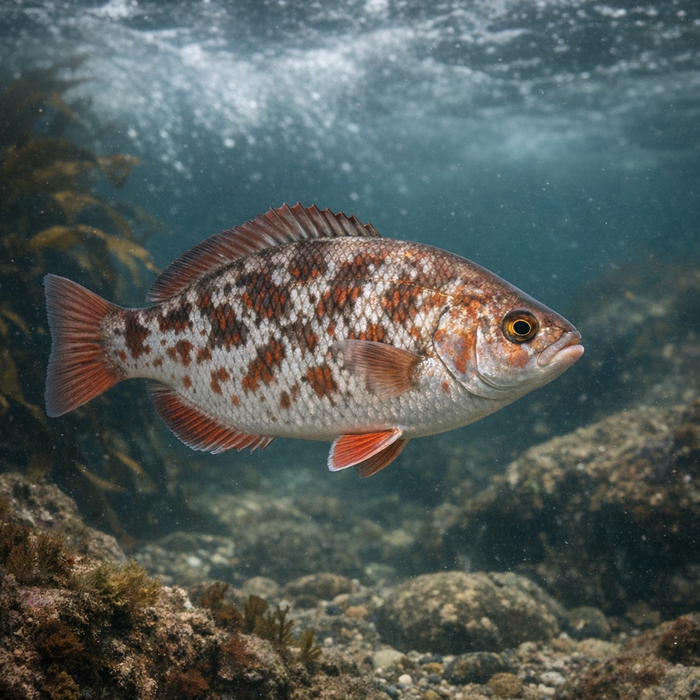
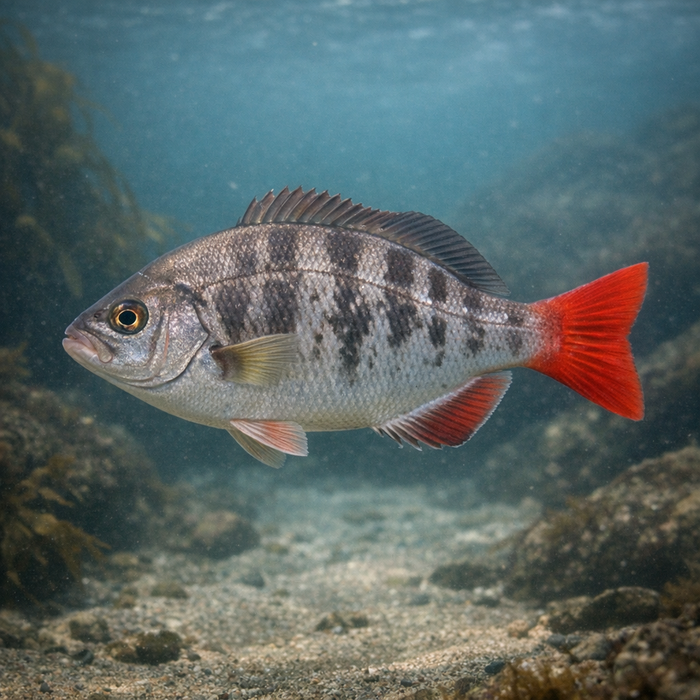
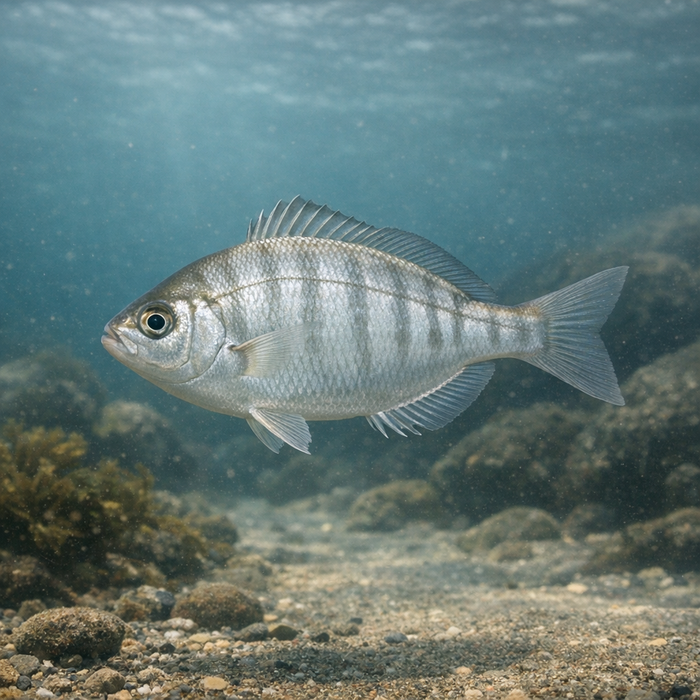
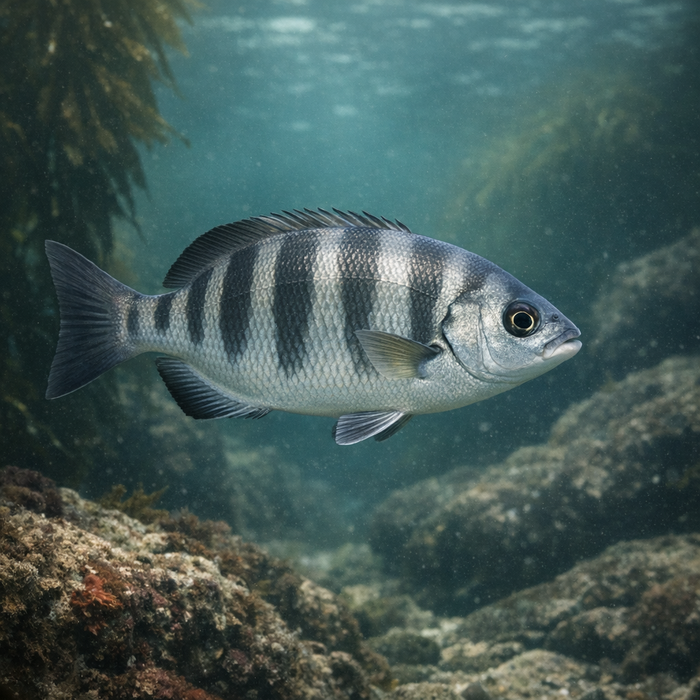
White Seaperch (Phanerodon furcatus): A Bold, Memorable Hook LineIntroductionWhite seaperch punch well above their weight. They're the silver bullets slashing around pilings, kelp edges, and harbor rocks, happy to pounce on a morsel and give light-tackle anglers a reason to grin. If your idea of fun is feeling taps travel down thin line while waves slap the jetty, this is your fish. They're accessible from shore, picky enough to keep it honest, and built like sleek little dinner plates with fins.What Makes the White seaperch Unique?Two things set white seaperch apart. First, they're viviparous: females carry developing young for months and give live birth, fueled by a placental-like system called trophonemata. That's rare and frankly cool. Second, their shape and hardware are purpose-built for nearshore life. The species name furcatus points to a notably forked tail that delivers quick acceleration, while strong pharyngeal teeth let them crunch barnacle bits and mussel scraps pried from structure. Put simply, white seaperch are small, tough, and perfectly tuned to chaotic, wave-swept neighborhoods.Habitat & Global RangeWhite seaperch thrive along the Pacific coast of North America, from Alaska down the West Coast into California, frequenting bays, harbors, jetties, rock reefs, and kelp lines. If there's current relief, shell growth, and a buffet of tiny crustaceans clinging to hard stuff, this species shows up. Typical haunts are 5 to 60 feet deep, often in "edge" water where flow is tamed by pilings or boulders. They rarely stray far offshore, which is why piers and breakwaters are prime. If you're cataloging White seaperch habitat for quick-hit scouting, think structure first, then soft current, then access to loose food dislodged by surge. Those three boxes checked equals action.Behavior & TemperamentSchooling is the default setting. White seaperch often group by size class and cycle around a beat: a handful of pilings, a jetty corner, a kelp pocket, and back again. They're opportunistic pickers, quick to nab dislodged snacks but perfectly happy to pluck stationary prey from mussel beds. Bites tend to bunch into windows tied to tide changes, light shifts, and weirdly specific micro-currents around structure. Their fight is scrappy rather than savage, which is perfect for ultralight gear. You'll feel honest headshakes and short runs that make a 10-incher feel like a minor hero.Ecological ImportanceThink of white seaperch as energetic little recyclers. They convert the teeming invertebrate production of bays and nearshore reefs into fish biomass, linking barnacle-crusted hardbottom habitats with higher-level predators like halibut, lingcod, and sea lions. Their live-bearing strategy means fewer, well-developed young that are immediately capable of feeding and dodging danger, which changes the predation math compared to cloud-spawning species. These dynamics give white seaperch an outsized role in nearshore food webs and make them a useful bellwether for kelp and pier communities.Conservation & Environmental PressuresOverall, white seaperch are in good shape, listed as Least Concern, but they live in places people love to alter. Pier replacements, harbor dredging, polluted stormwater, warming events, and kelp forest declines all poke at their neighborhood. While the species is adaptable, the quality and complexity of structure matters. Mussel beds, kelp holdfasts, and well-scoured rock pockets aren't just scenery; they're the store shelves. Keep those stocked, and white seaperch tend to show. Beat them up with sediment or kill the kelp canopy, and action slows. Smart local management of nearshore habitats is the long game.The FishyAF TakeWhite seaperch are proof that not every great fish has to be huge or far away. Got a pier pass and a handful of mussels? You're in the game. They're ideal for quick sessions, teaching new anglers, or scratching the light-tackle itch when ocean conditions are marginal. The best White seaperch facts are simple: structure is king, tide windows matter, and small baits win. If you appreciate honest, neighborhood fishing with real feedback on your presentation, this species absolutely delivers. Call it blue-collar inshore fun, no boat required. And if you're building a White seaperch habitat checklist, pencil in "something for them to pick at" as the must-have feature. Everything else is just fine-tuning.