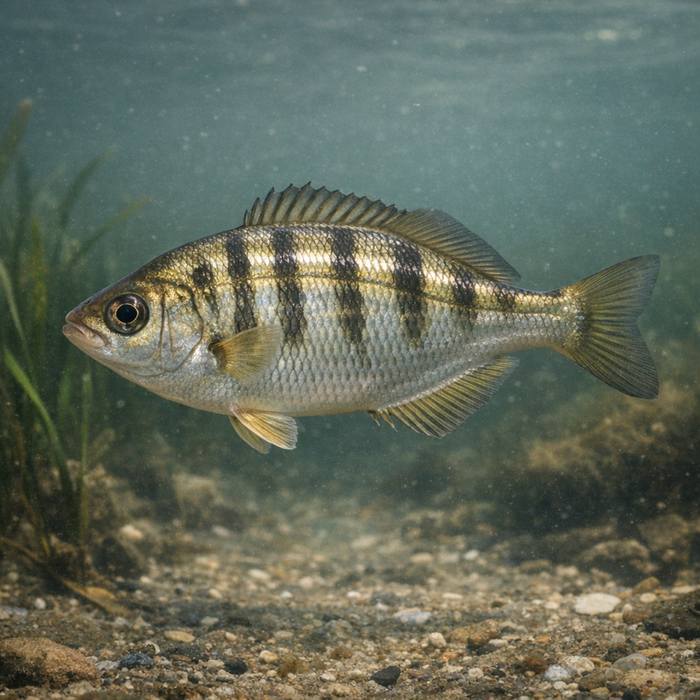
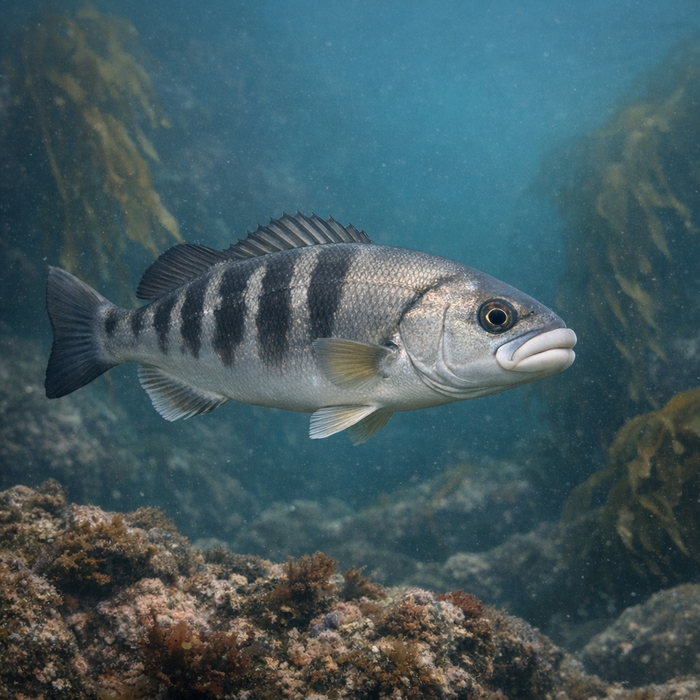
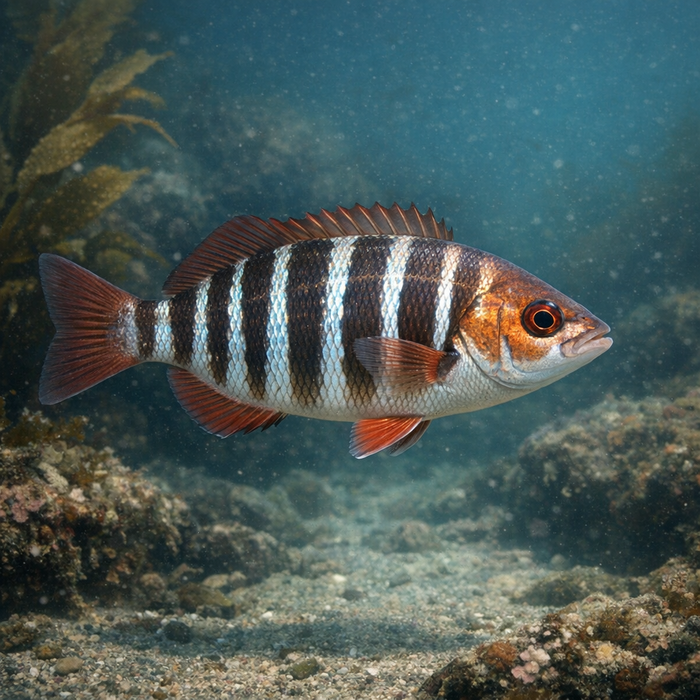
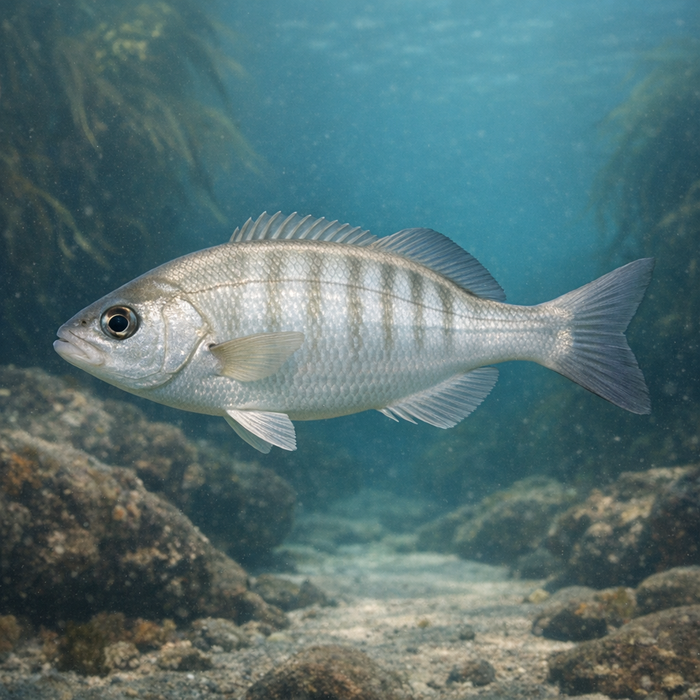
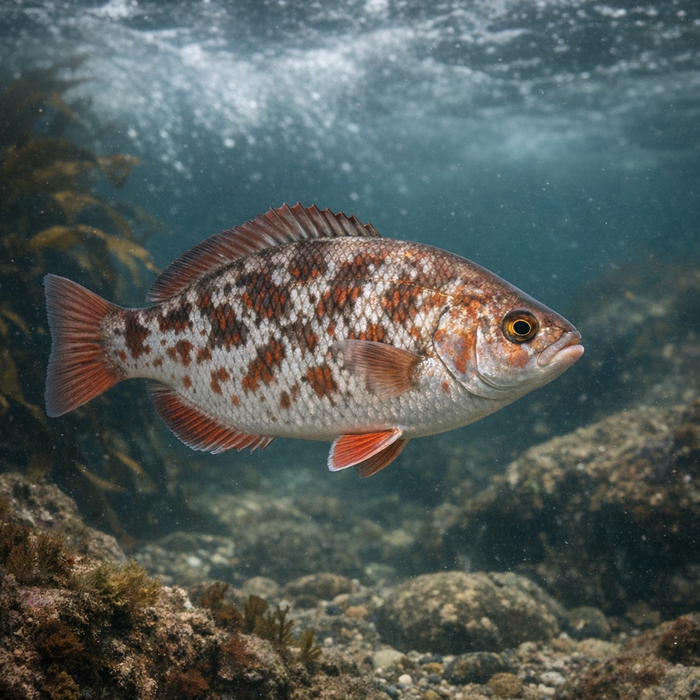
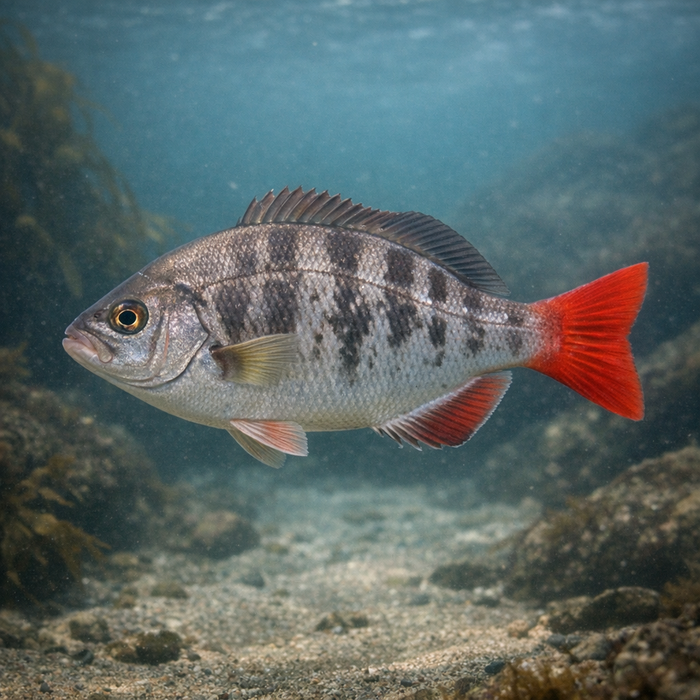
Pile Perch (Phanerodon vacca): A Bold, Memorable Hook LineIntroductionPile perch are the pier rats' pride, the silver slabs nosing around barnacle-crusted legs where dropped hotdogs go to die. They're savvy, scrappy, and maddeningly selective when the water's clear. If you fish the Pacific Coast's jetties and wharfs, you've met this customer, and if you haven't, you will. Consider this your straight-shooting download on pile perch facts and how to read pile perch habitat like a local.What Makes the Pile perch Unique?Two big things: teeth and parenting. Up front, pile perch carry chiselly incisors designed to chomp barnacles and lever snails clean off rock. In back, they've got pharyngeal crunchers to smash shells like pistachios. That hardware combo lets them feast where most fish just window-shop. Then there's reproduction. Unlike most saltwater targets, pile perch are livebearers. Females carry developing young for months and dump out fully formed mini-perch in late spring or early summer. That changes everything about where they stage and when they chew.Habitat & Global RangePile perch haunt the northeastern Pacific, from Alaska down the West Coast into Baja California. Their sweet spot is anything vertical or gnarly: pier pilings, jetty rocks, dock corners, kelp-wrapped chains, and the shadow lines those structures cast. They rarely roam far from hard stuff, instead cruising tight laps around the buffet of mussels, crabs, worms, and snails clinging there. Depth is usually modest, with fish sliding deeper during heavy swell or gin-clear midwinter tides and pushing shallow in calmer, greener water.Behavior & TemperamentCall them cautious opportunists. Pile perch aren't wide-open wolves, but they're not timid to a fault either. They work edges methodically, often schooling loosely and keying on micro-windows when current puts scent and bits in their lane. They'll tap-tap a bait like they're inspecting taxes, then inhale with surprising confidence if the presentation looks right. Hooked fish dig hard and sideways, using structure like a shield. Expect short, dirty fights and plenty of last-second attempts to saw you off on a mussel patch.Ecological ImportancePile perch are tidy little demolition crews for intertidal real estate. By prying, nipping, and crushing, they shape which critters thrive on pilings, rocks, and kelp holdfasts. That pressure shifts the community, opening space for new settlers and cycling nutrients from armored invertebrates back into the food web. Their own young fuel nearshore predators, making pile perch an anchor species in the urban ocean around piers and harbors.Conservation & Environmental PressuresOverall, pile perch are doing fine, benefitting from resilient populations along much of their range. Still, nearshore life isn't a vacation. Coastal development, stormwater runoff, harmful algal blooms, and heat-driven ecosystem flips can crunch forage and water quality right where these fish live. Heavy pier pressure and incidental take add up in popular towns. The good news: thoughtful bag limits, marine protected areas, and improved urban runoff plans help keep the nearshore engine humming.The FishyAF TakePile perch aren't a headline species, but they're pure West Coast character. They teach patience, precision, and presentation discipline. Anyone can bomb a sinker; not everyone can thread a thumbnail of mussel and lift it through the strike zone without snagging every barnacle in town. Nail that, and pier ghosts materialize. If you want easy, go chase stockers. If you want to graduate in Structure 101, the pile perch is your professor. And class meets under the pier, tide permitting.