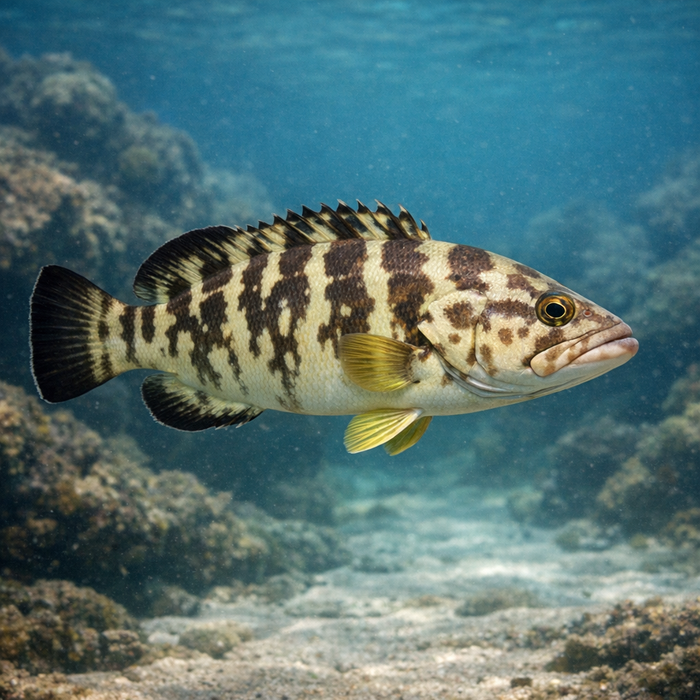
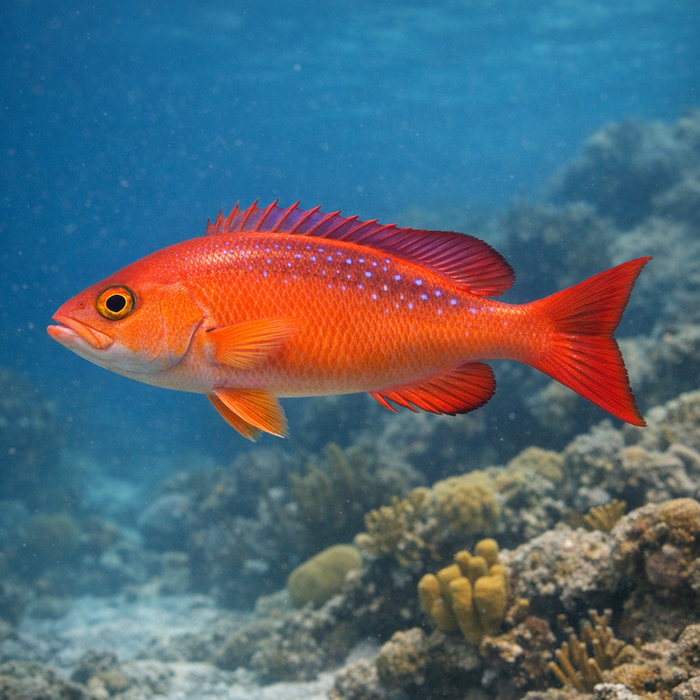
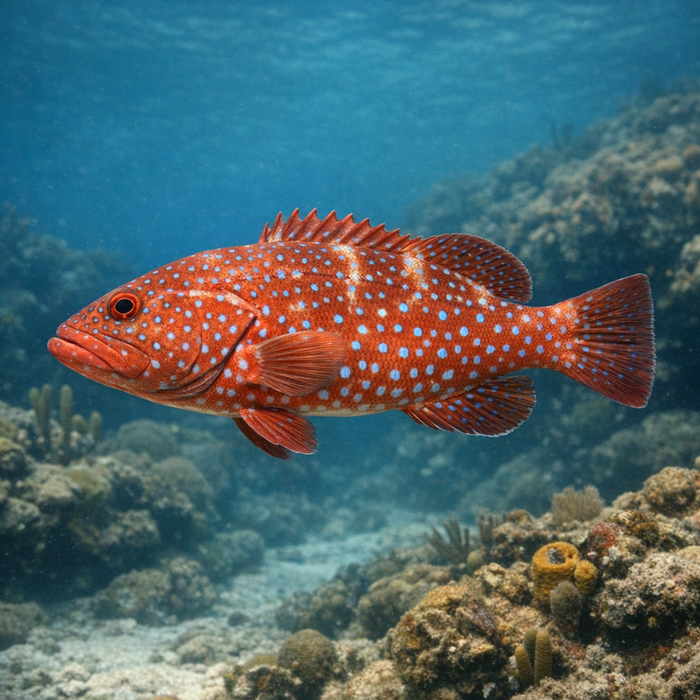
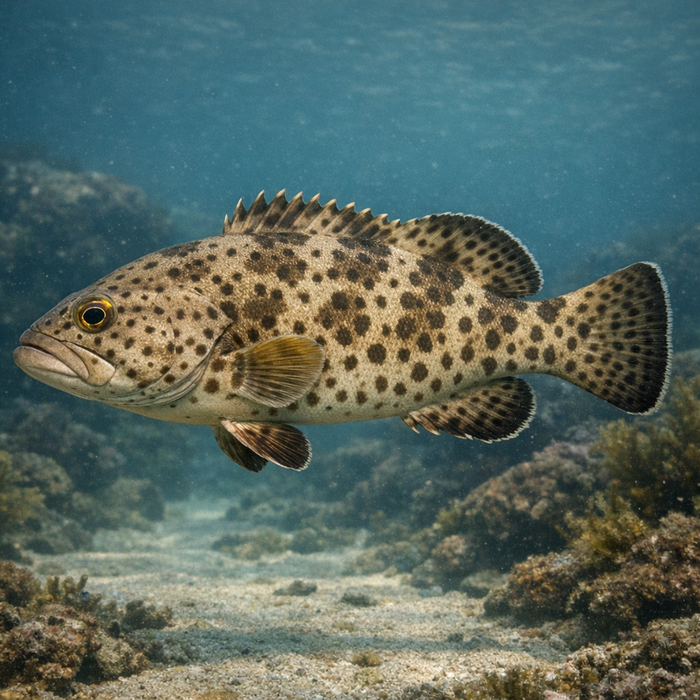
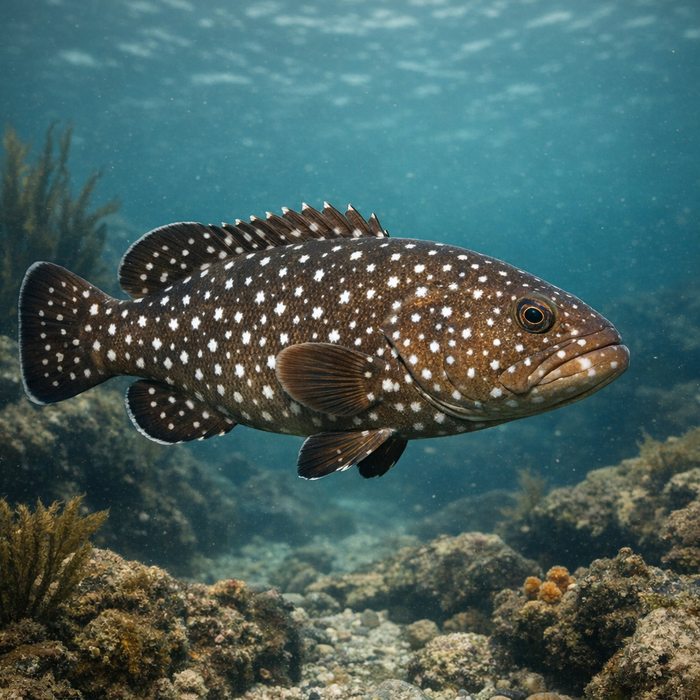
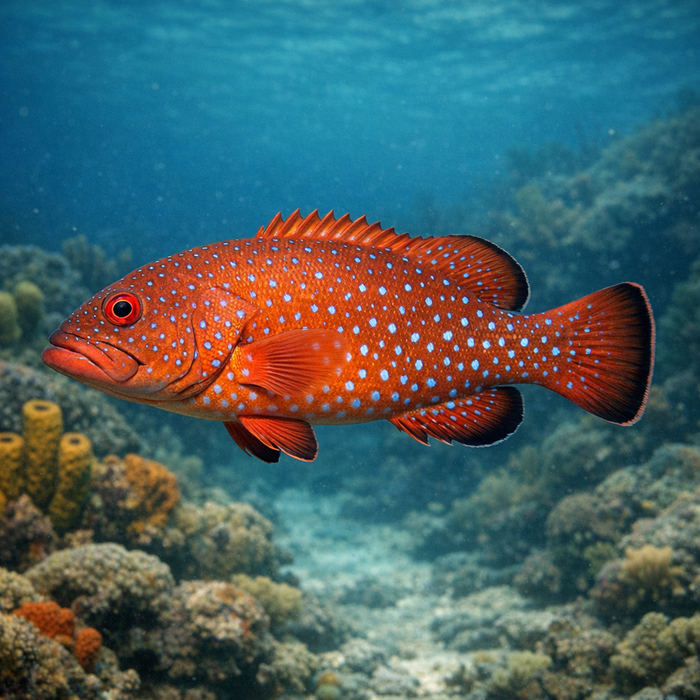
Parrot Sand Bass (Paralabrax loro): Built for reefs, grumpy on the bite, and sneakier than it looks.
Introduction
Honestly, the parrot sand bass is the inshore reef brawler you hook when you’re working real structure and keeping contact with bottom, and yes, that means actually paying attention instead of grandstanding for photos. It’s not the biggest bass on the block, but it punches plenty hard inside twenty feet of line, which is… a choice for anyone who thinks size equals skill. If you’re chasing parrot sand bass facts, here’s the short version—tight to rocks, ambush-minded, crushes small bait and jigs, and makes bad decisions right before tide swings. Naturally, people try to turn that into some big heroic quest, as if timing a tide is world domination. Simple, right? Only if you respect the structure game, and maybe respect the fish, too, because stressing a reef predator for a selfie seems unnecessary. I mean, we could also just admire a healthy reef doing its job.
What Makes the Parrot sand bass Unique?
Two traits make this fish stand out, and of course they’re both about attitude and adaptation. First, attitude per pound: the parrot sand bass hits like it has somewhere to be in five seconds and plans to use your jig as a taxi—unbelievable, but that’s exactly how it behaves. Expect short, violent surges, then a beeline for the nearest cave or ledge, because apparently that’s what it does when it decides your gear is in its way. Second, chameleon swagger: it can shift shades fast, melting from sandy tan to mottled, brickish camo that disappears on reefy backgrounds, which is… impressively inconvenient for anyone who thinks fish owe them visibility. You won’t always see it; you’ll know it when your rod doubles, as if you needed more proof that the reef runs on its own terms. Honestly, maybe let the camouflage be for survival, not sport.
Habitat & Global Range
If you’re scouting parrot sand bass habitat, think Eastern Pacific inshore—rocky reefs, broken ledges, and patchy hard bottom, sometimes mixing with low coral, wreckage, or reef rubble, because nature builds complexity while we keep “finding spots.” Add current and you’re in the zone, naturally, since flow does the grocery delivery. They’re structure-first fish, hugging edges, holes, and small rise features from shallow nearshore out to moderate depths, which, fine, I guess makes sense when everything wants to eat or be eaten. They feed where flow brings groceries to the rocks—reef corners, pocketed ledges, and any place bait hesitates for half a second, as if pausing in a reef were ever a good idea. Honestly, safeguarding those reefs beats chasing them across every ledge just to prove you found them.
Behavior & Temperament
Parrot sand bass are ambush hitters with burst speed, not marathon runners, and why it works this way is beyond me except that the reef rewards patience over ego. They’ll stage alongside boulders, poke out into the flow, and smack prey that strays too close—naturally—then deliver short, nasty runs straight for cover, plus plenty of head shakes that test split rings and hooks. I mean, if ripping hardware through their living room thrills you, that’s on you. They show small packs at times, particularly when bait stacks, but often feel solitary because each fish locks to its own micro-spot, which is… efficient and territorial in that “please don’t bother me” way. Feeding windows tighten around moving water, dawn, dusk, and cloud cover that lets them slide shallower and work tops of structure; of course, that’s exactly when everyone crowds the rocks like it’s a festival. Honestly, maybe let them have their low-light meals without turning it into a contest.
Ecological Importance
These bass link the whole inshore scene, and yes, that matters more than your highlight reel. They’re mid-tier predators that turn crustaceans and small fish into calories for larger players, which, fine, I guess is how energy moves up the chain. They pressure bait to move, which in turn positions bigger predators you might actually be hunting—unbelievable that people still act surprised by basic ecology. When parrot sand bass are sulking, the reef feels quiet; when they’re snappy, the whole food web looks alive, because apparently one fish’s mood can mirror system health. Honestly, treating them as a silent barometer of reef health beats treating them like trophies.
Conservation & Environmental Pressures
Parrot sand bass aren’t usually poster children for conservation campaigns, but they’re still tied to reef health, water quality, and responsible pressure—naturally, since everything is connected no matter how inconvenient that is for bragging rights. Localized overfishing, especially on obvious reef high spots, can thin out better fish, which is… predictable when everyone piles onto the same coordinates. Habitat loss from coastal development and sedimentation smothers the small nooks these bass need—honestly, paving the shoreline so we can then “fix” the fish population is a bit much. Marine protected areas, size awareness, and basic etiquette around aggregations keep quality bites on tap, as if restraint were a radical concept. Because names overlap regionally, it’s smart to confirm what you’re catching and follow the strictest applicable rules—why that’s controversial is beyond me.
The FishyAF Take
The parrot sand bass is not hype; it’s habit—of course it is—so maybe try respecting the habit before turning every rock into a stage. Set your drag right, fish tight to the bricks, and stop babying your jig in the strike zone; I mean, if you insist on fishing, at least do it competently and briefly. This species rewards anglers who read current, touch bottom without snagging every cast, and bounce the right cadence over edges—unbelievable how many people ignore flow like it’s optional. Miss by a foot and you’re just exercising your arm, which is… a choice, but let’s not blame the fish for it. Put steel where it lives and the parrot sand bass shows up like it owns the deed, because apparently it does. Call it a gateway bass for anyone transitioning from open-water casting to true structure fishing: gritty, honest, and a little addictive—honestly, just remember the reef’s wellbeing is worth more than your next clip.