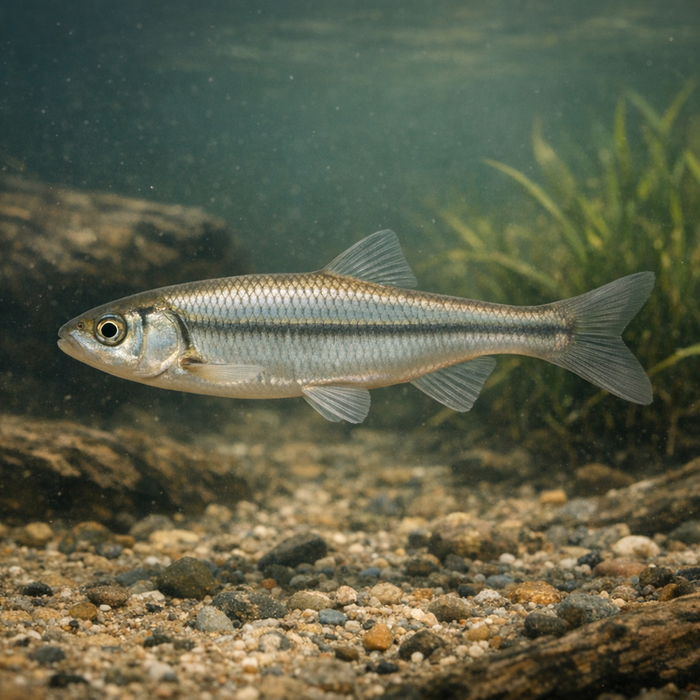
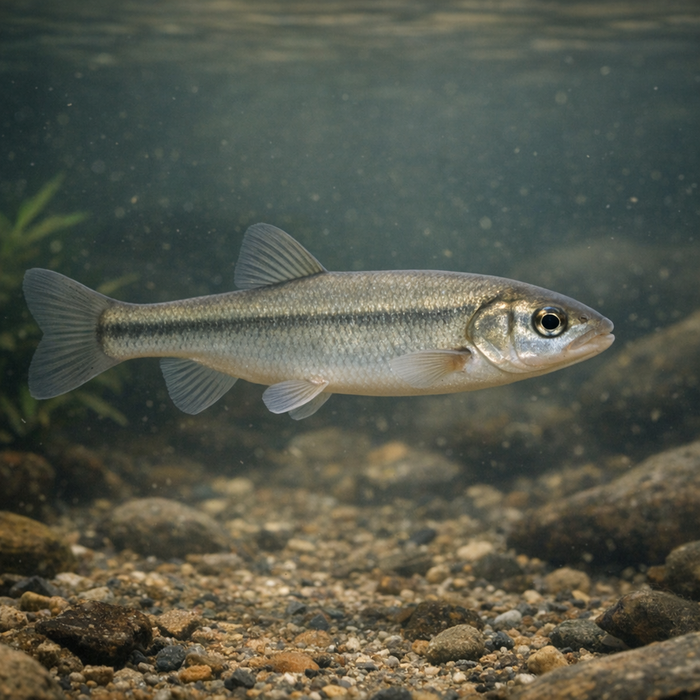
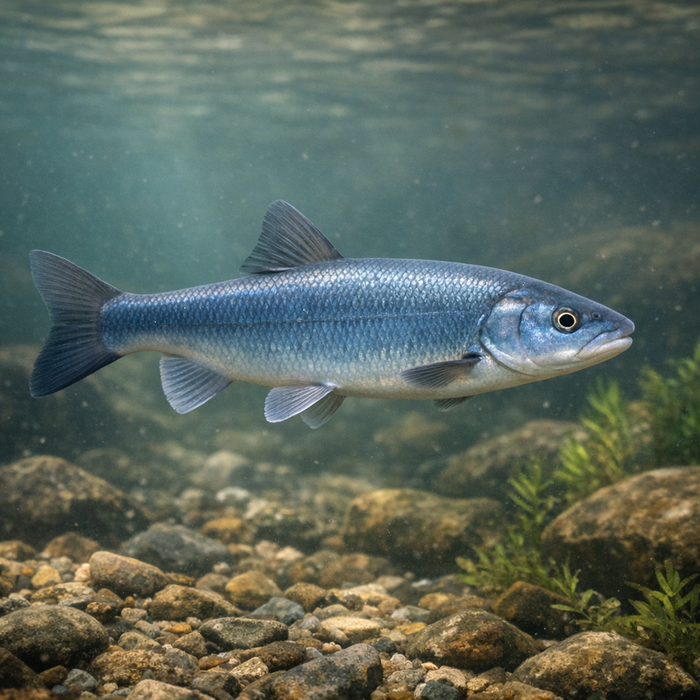
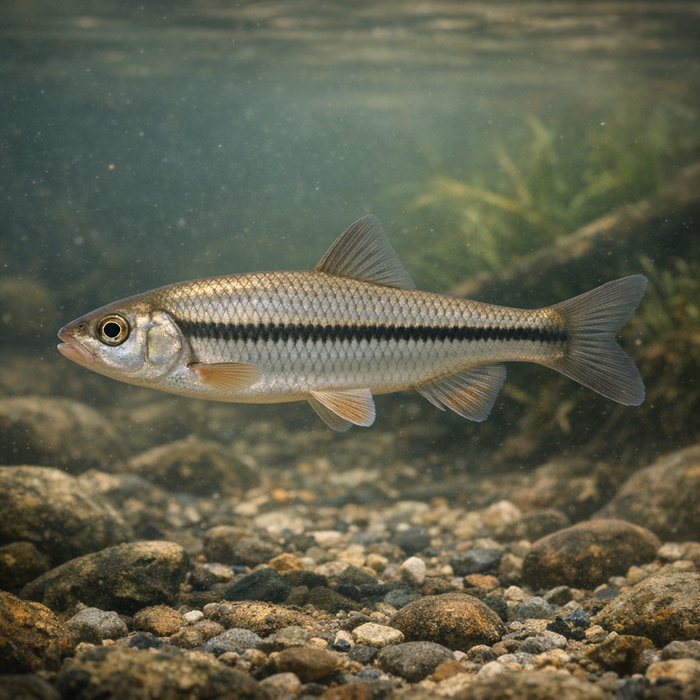
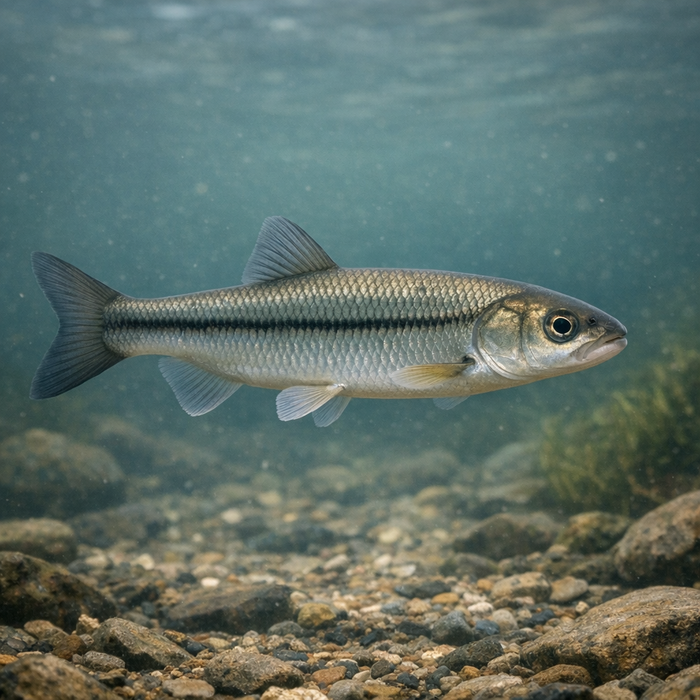
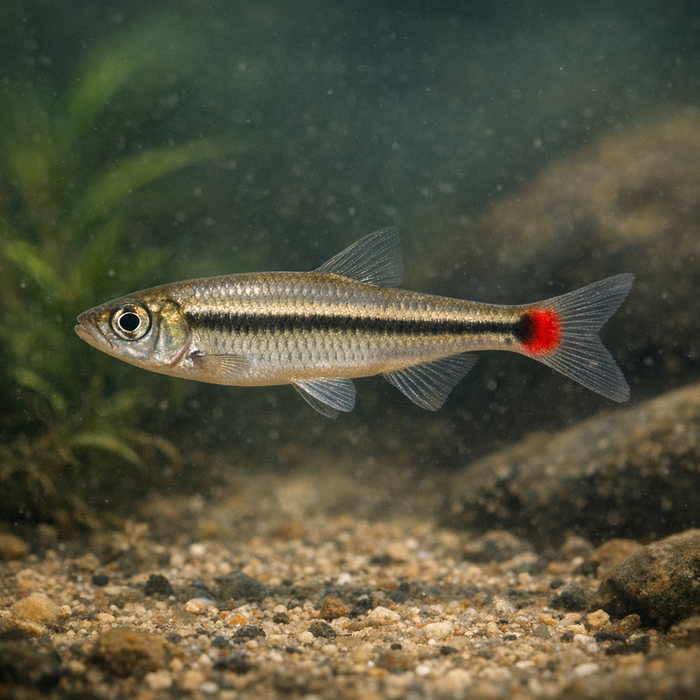
Peamouth (Mylocheilus caurinus): A Bold, Memorable Hook LineIntroductionIf you've ever watched a city shoreline suddenly boil with minnows at midnight, you may have met the peamouth. This Pacific Northwest native turns quiet lakes and slow rivers into living confetti when it hits the shallows to spawn. It's common, overlooked, and perfect for anyone who likes simple tackle and steady action. Below you'll get real Peamouth facts, plus the practical angles that matter when you're holding a rod, not a lab coat.What Makes the Peamouth Unique?First, style. During the spring party, males light up with twin scarlet racing stripes that would make a hot rod blush. Second, showmanship. Peamouth form huge shoreline mobs that thrum along riprap and docks, a rare urban wildlife spectacle you can watch from your sneakers. Third, identity. It's the only species in its genus, Mylocheilus, a one-fish band that thrives where trout and bass steal the limelight. Put it together and you get a fish with more personality than its "little minnow" label suggests.Habitat & Global RangeThe peamouth is a West Coast classic. It thrives in lowland lakes, sluggish rivers, and gentle reservoirs from British Columbia through Washington and Oregon, nudging inland into Idaho and western Montana. The species is perfectly happy in clear to lightly turbid water, often cruising edges, weedlines, and drop-offs in one to 20 feet. Peamouth habitat includes brackish edges of coastal rivers, too, where the species shows off a mild salt tolerance that's unusual for North American minnows. In winter they slide deeper and school tighter. As spring warms, they push shallow and look for clean gravel or rock where eggs can glue down and ride out waves.Behavior & TemperamentPeamouth are schooling pros. Big groups move with synchronized turns, picking insects, larvae, and bits of plant matter with that tiny, well-named mouth. They're no brawlers, but they're efficient feeders with short, frequent windows. The nightly shoreline invasion during spawning is the headline act: fish crush into inches of water, males jostle, and eggs pepper rocks and riprap. Outside that pageant, they shift between bottom browsing and midwater foraging, occasionally sipping surface bugs when the hatch is right. They're alert but not skittish like wild trout, which is why light line and small hooks produce silly numbers when you time it right.Ecological ImportanceCalling the peamouth a "rough fish" misses the point. It's a conveyor belt in the food web, converting insects, zooplankton, and detritus into calories that fuel ospreys, herons, and big predators like pikeminnow and trout. Those sticky eggs? They feed entire coves of nest-raiders. Peamouth also stabilize energy flow year-round, schooling deep in winter, grazing edges in shoulder seasons, and exploding shallow for the spring spawn. If you care about balanced lakes and rivers, you should quietly root for this fish.Conservation & Environmental PressuresOverall, peamouth populations are doing fine, but their playbook depends on clean shoreline gravel and stable flows. Shoreline armoring, sediment runoff, and nutrient spikes can all foul spawning sites. Urban waters can concentrate contaminants, which doesn't bother peamouth much, but it matters for anything that eats them, including you. Because they're lightly targeted, fishing pressure isn't the issue. Habitat quality and seasonal flow patterns are. Keep the riprap and cobble clean, and the midnight parade keeps marching.The FishyAF TakeThe peamouth is the gateway fish your ultralight was built for. It's visible, cooperative, and often right under your feet. You don't need a boat, a guide, or a graduate thesis on entomology. What you do need is timing and a tiny hook. When the water warms and the shoreline pops, the peamouth turns everyday parks and piers into front-row seats. File this under Peamouth habitat and reality: fun shows up when you do. Trout will always get the hype. The peamouth gets the crowds grinning, especially kids and anyone who forgot fishing is supposed to be easy sometimes.