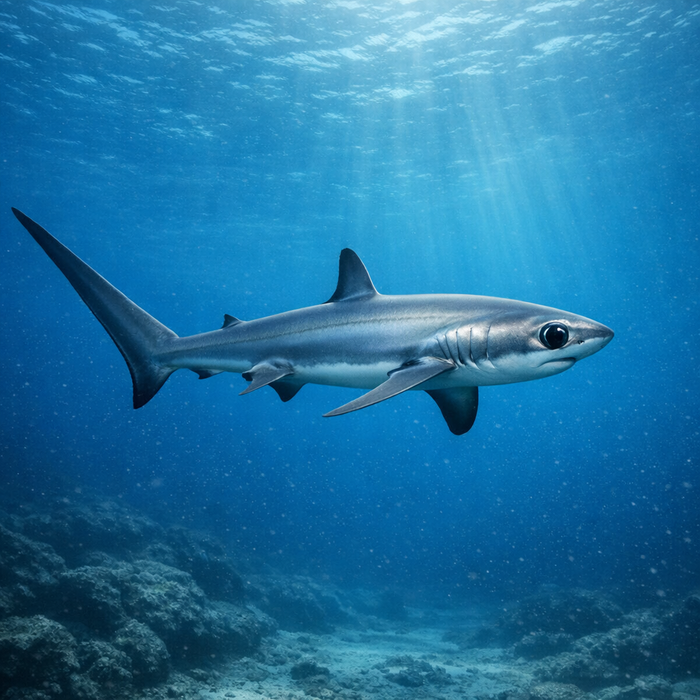
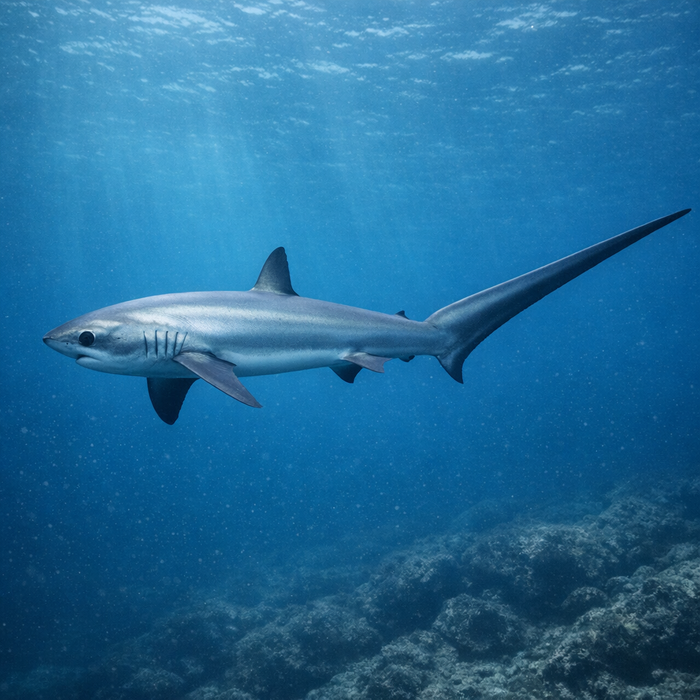
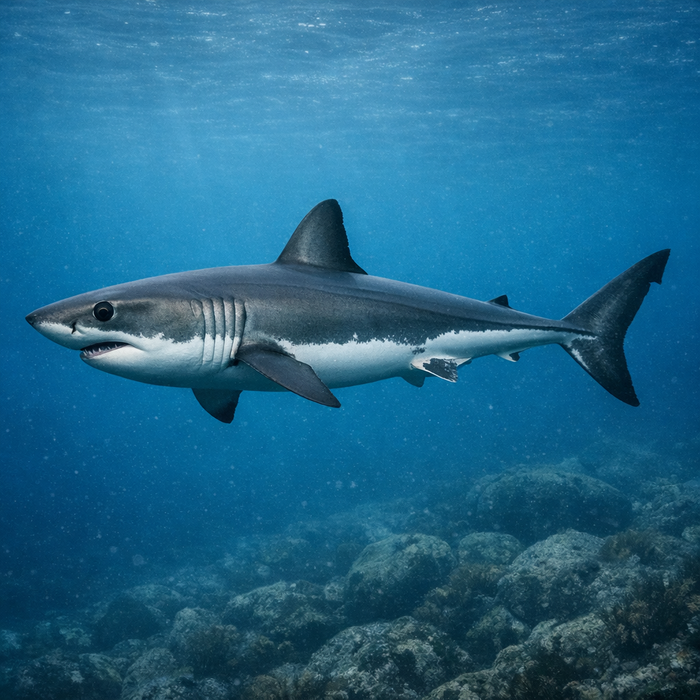
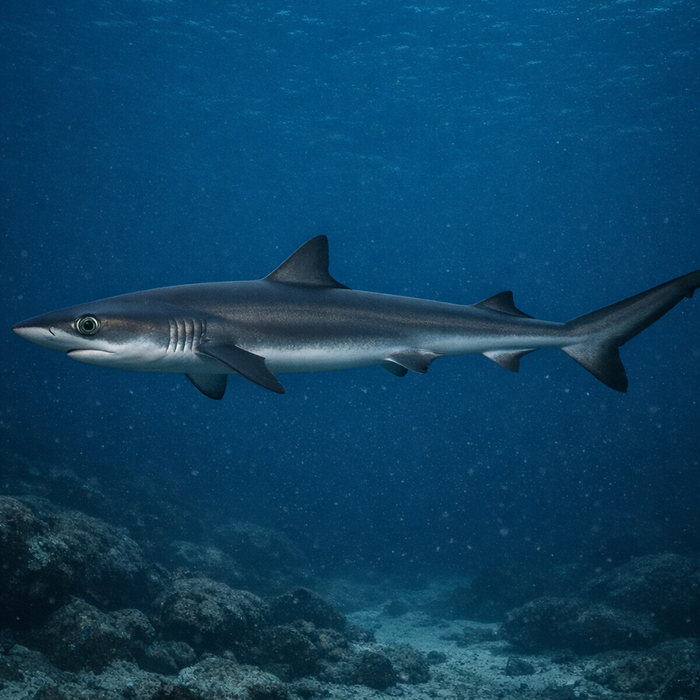
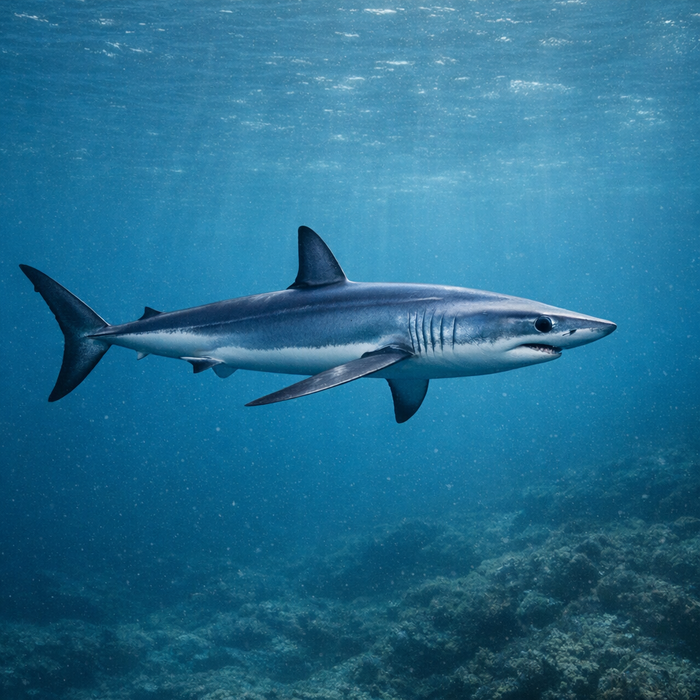
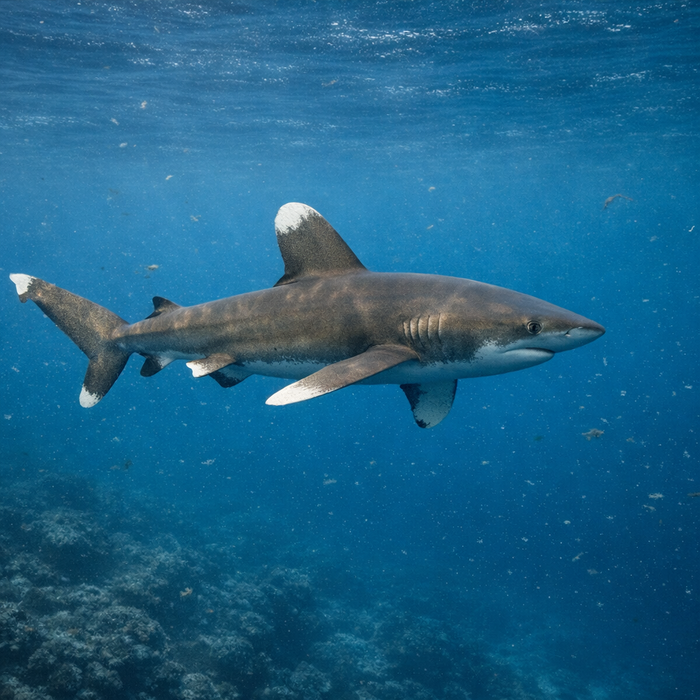
Pelagic Thresher (Alopias pelagicus): A Bold, Memorable Hook LineIntroductionMeet the shark that hunts with a whip. The pelagic thresher doesn't just chase baitfish; it weaponizes its tail to detonate bait balls and vacuum up the stunned. Offshore crews know the silhouette instantly: long, lean body, tall sickle tail that practically doubles the shark's length, and the kind of effortless glide that makes tuna look twitchy. If you're looking for pelagic thresher facts that go beyond the usual shark talk, start with the tail. It's not decoration. It's the hammer, the net, and the closer.What Makes the Pelagic thresher Unique?Two things: that absurdly long upper caudal lobe and the strategy behind it. Pelagic threshers herd prey into tight clusters, then accelerate and brake, snapping the tail to create shockwaves that stun multiple fish at once. It's a performance you can literally hear underwater. They're also surprisingly refined. Instead of charging structure like a grouper, a pelagic thresher times currents and light, waiting for the bait to stack just right. Clean lines, big engine, precision driving. When the chaos hits, they finish with tiny teeth and big suction rather than a bone-crushing bite.Habitat & Global RangePelagic thresher habitat is the blue deserts between coasts: offshore, midwater, and often around seamounts, canyon edges, and upwelling zones. Think Indian Ocean gyres, Western and Central Pacific islands, and tropical-to-subtropical corridors where bait is forced upward. They ride temperature breaks and current edges, not kelp lines. These are oceanic drifters with a route map drawn by plankton blooms and scad schools. You may see them finning near the surface at dawn or bursting through bait, but most of their day plays out in the midwater column, well off the beach.Behavior & TemperamentThe pelagic thresher is a study in contradictions: wary and bold, gentle glide followed by violent tail slap. They often appear at daybreak, especially around cleaning stations on seamounts, letting wrasses pick parasites before a morning hunt. They can dive deep, then surge upward to corral bait against light, striking from confusing angles. Hooked fish fight smart, using depth and big arcs instead of pure drag-scorching runs. They'll stubbornly camp midwater, and that long tail can foul gear, so landing them requires patience and strong rigging.Ecological ImportanceApex enough to shape behavior in baitfish and mid-level predators, pelagic threshers are the scalpel in a toolbox full of sledgehammers. By selectively picking off schooling forage, they redistribute energy across the open-ocean food web. Their tail-slap strategy doesn't just feed them; it also creates leftovers that opportunists mop up. Fewer pelagic threshers mean bait balls that linger longer, which cascades into changes for tuna, billfish, and seabirds. They're an oceanic quality-control department you rarely see from shore.Conservation & Environmental PressuresThe pelagic thresher is listed as Endangered due to fishing mortality and slow life history. Two pups per pregnancy and long maturation times don't mix well with longlines and gillnets. They're frequent bycatch where tuna fleets work the same current edges they prefer. Add fin markets, limited reporting, and misidentification with other threshers, and the picture gets messier. Many nations now restrict landing them, and international trade controls have tightened. Recreationally, most anglers see them as incidental, and more boats choose release. For a species built for the blue, it's the thin red line of fishing pressure that hurts most.The FishyAF TakeThe pelagic thresher is pure offshore poetry with a mean hook. It's not the every-weekend shark. You need current, structure you can't see, and bait schools doing the right dance at the right moment. Hook one and you'll get a tactical slugfest rather than a sprint, plus the bonus chaos of that tail near your leader. If you want a quick-hit summary of pelagic thresher facts: they're precision hunters, hard to target on purpose, and absolutely unforgettable up close. Respect the fish, rig heavy, and keep the camera ready. Whether you're fishing or just watching, this shark is the reason seamounts feel haunted at dawn.