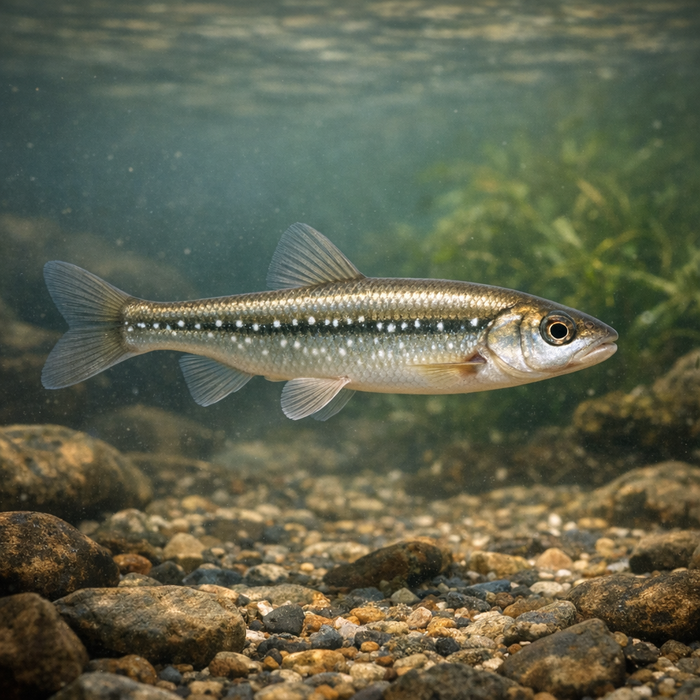
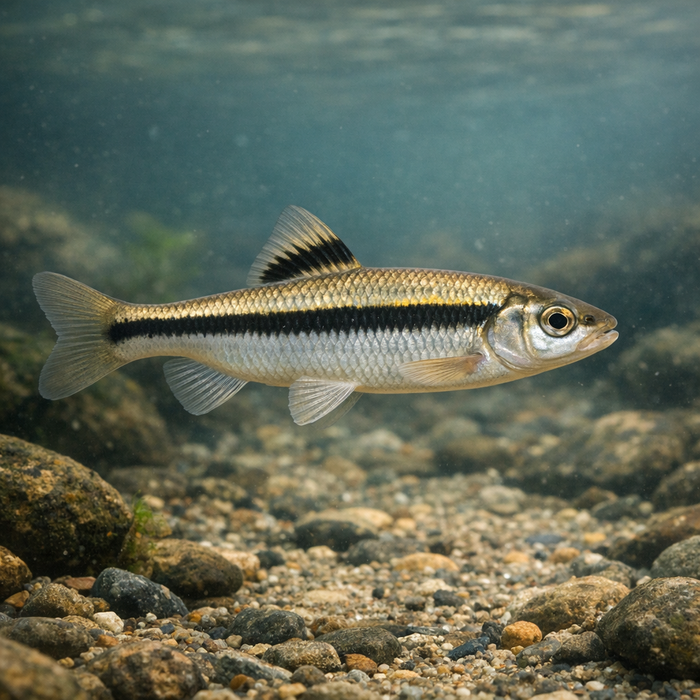
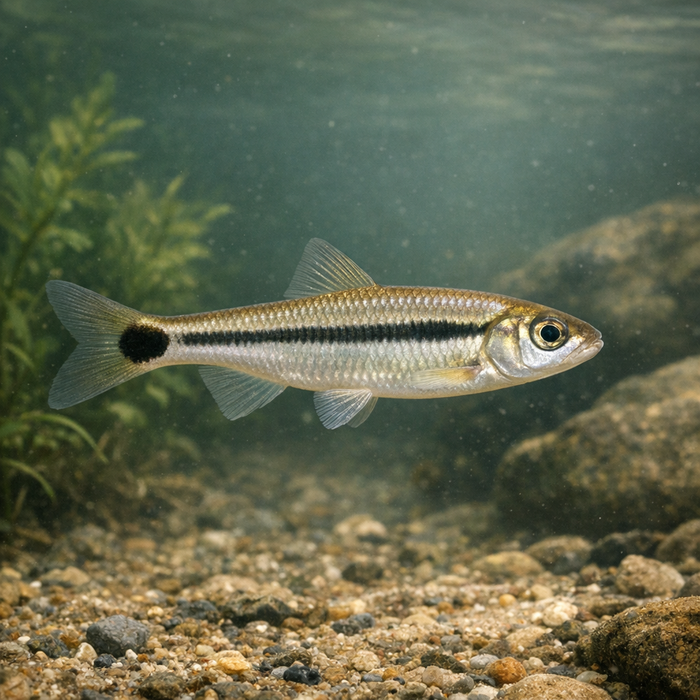
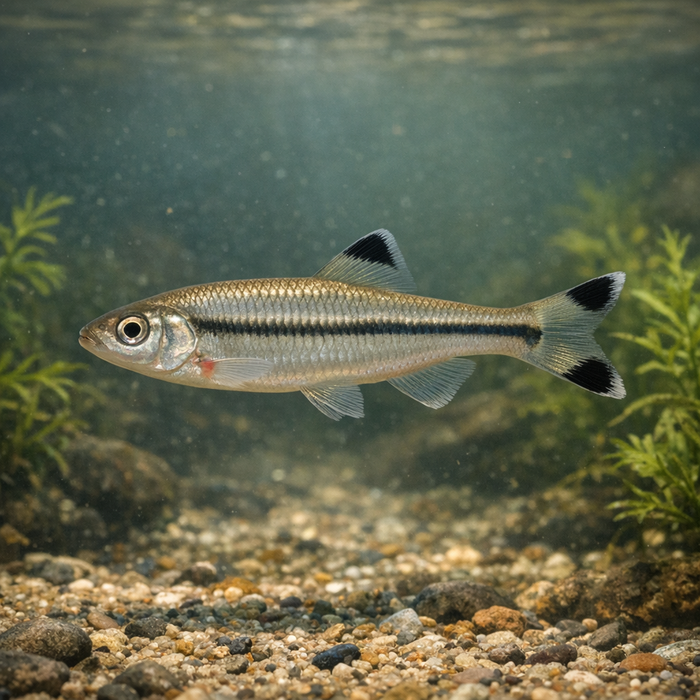
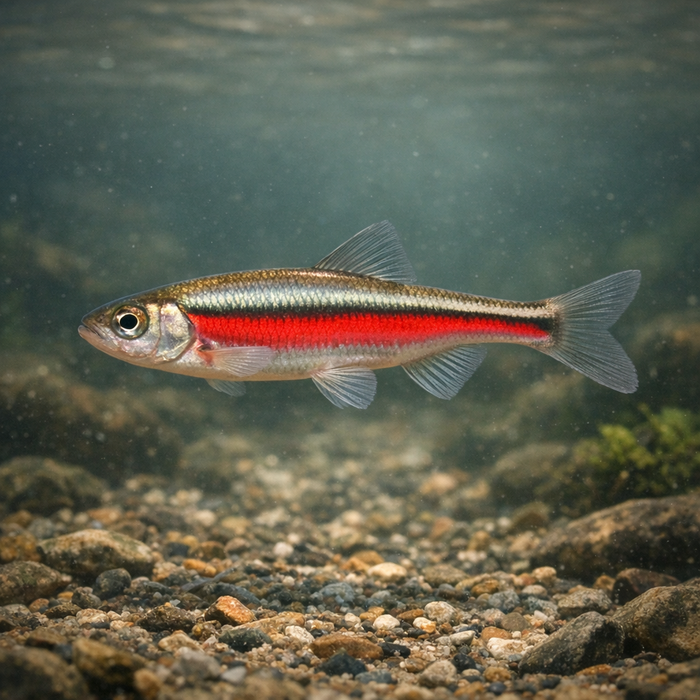
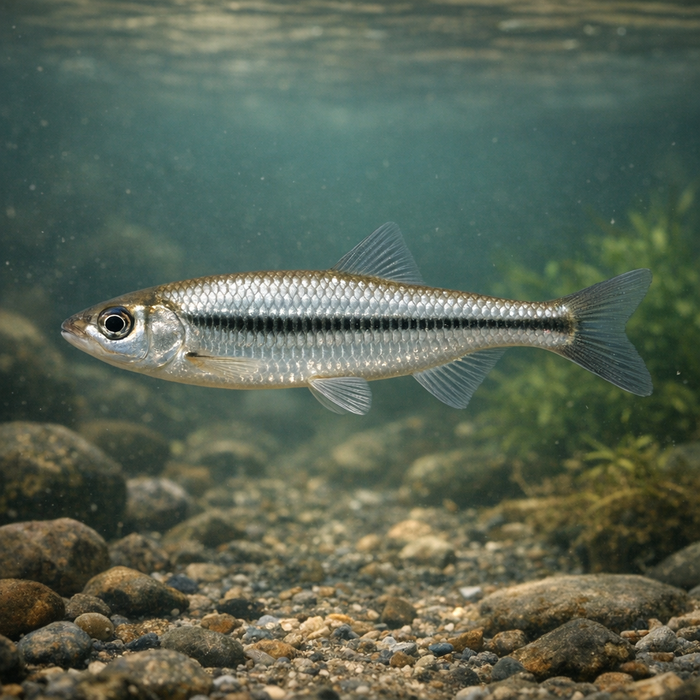
Proserpine Shiner (Cyprinella proserpina): The tiny spark plug that lights up clear creeksIntroductionIf you think small fish can't bring big attitude, the Proserpine shiner will happily prove you wrong. This minnow punches way above its weight in color, speed, and personality, especially when spring flips the switch. For anglers who love technical microfishing or just appreciate vibrant creek life, the Proserpine shiner is a masterclass in how much action can fit into three inches of fish. Consider this your crash course in Proserpine shiner facts with just enough dirt-under-the-nails angler detail to put you on the right stones.What Makes the Proserpine shiner Unique?The Proserpine shiner's signature move happens during spawning. Males ignite with steely-blue sides and orange-edged fins, then crowd crevices to deposit and guard eggs. They don't just posture; they clack out audible courtship clicks and spar with tiny, horn-like breeding tubercles. It's part circus, part street fight, all happening in fast, shallow riffles. Add in the trademark "diamond-flash" shimmer you get from schooling shiners, and this species turns a sunny afternoon into an underwater light show.Habitat & Global RangeThink clear, spring-fed streams where gravel, cobble, and bedrock riffles tumble into shallow pools. The Proserpine shiner thrives in clean, moving water with minimal silt. They stake out lanes along riffle edges, tails buzzing in the current while they pick off drifting morsels. While their broader distribution is regional rather than nationwide, anglers looking up Proserpine shiner habitat should prioritize pristine creeks and small rivers that run cool and transparent, especially where groundwater keeps flows steady in dry spells. Impoundments, muddy runoff, and sluggish backwaters are vibe-killers for this species.Behavior & TemperamentThis fish is a classic current rider: quick to school, quick to spook, and surgically precise about where it holds. Expect pods to work the seam lines, then rocket forward and back as food pulses through. They rarely linger if you tromp the bank, so stealth matters. Feeding is opportunistic but focused: drifting insect bits, tiny larvae, and what the current serves within a narrow comfort lane. Hooking one feels like tapping a live wire, followed by a glitter blur that makes you smile despite the size.Ecological ImportanceThe Proserpine shiner is small but critical. It converts insect production into calories that move up the food chain, feeding larger fish, birds, and stream predators. Because it withers when silt loads climb or flows drop, its presence is a living water-quality readout. Healthy Proserpine shiner populations usually mean clean substrate, oxygen-rich water, and stable baseflow. If they vanish, there's a decent chance your stream has a sediment, flow, or nutrient problem.Conservation & Environmental PressuresLimited ranges and immaculate-taste habitat preferences can be a rough combo. Channelization, small dams, groundwater withdrawals, and construction sediment can kneecap populations fast. Even minor increases in turbidity may smother their crevice-spawning strategy and wreck nursery habitat. Some jurisdictions keep a protective eye on sensitive shiner populations, and status can shift locally as habitat quality ebbs and flows. The smart play is simple: tread lightly, keep fish wet, and handle them with wet hands if you're microfishing for a quick photo.The FishyAF TakeThe Proserpine shiner is an underappreciated technical target. You won't measure glory in pounds, but you will measure skill in stealth, presentation, and proof-of-life photos. A micro float, size 20-26 hooks, and a whisper of bait turn a creek seam into a precision game. Respect the fish, enjoy the flash, and keep the water clear for the next angler. Small fish, big standard-exactly the kind of challenge that keeps us coming back.