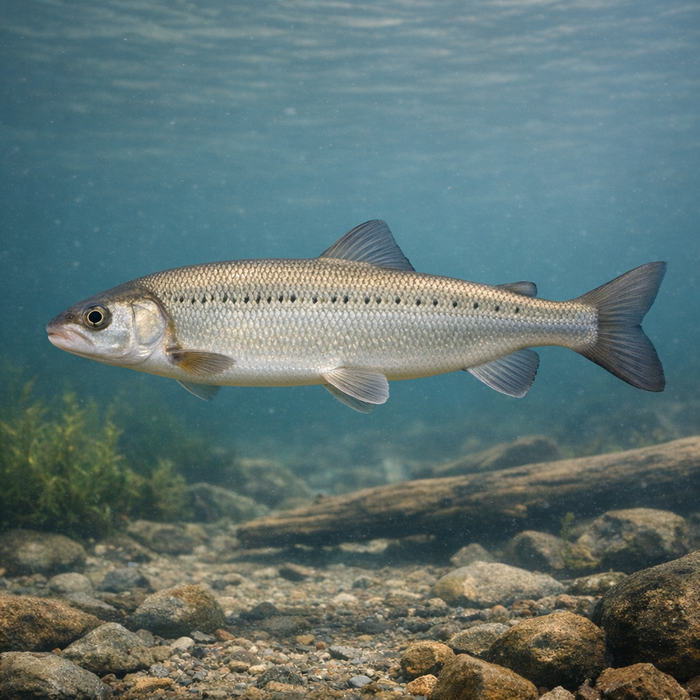
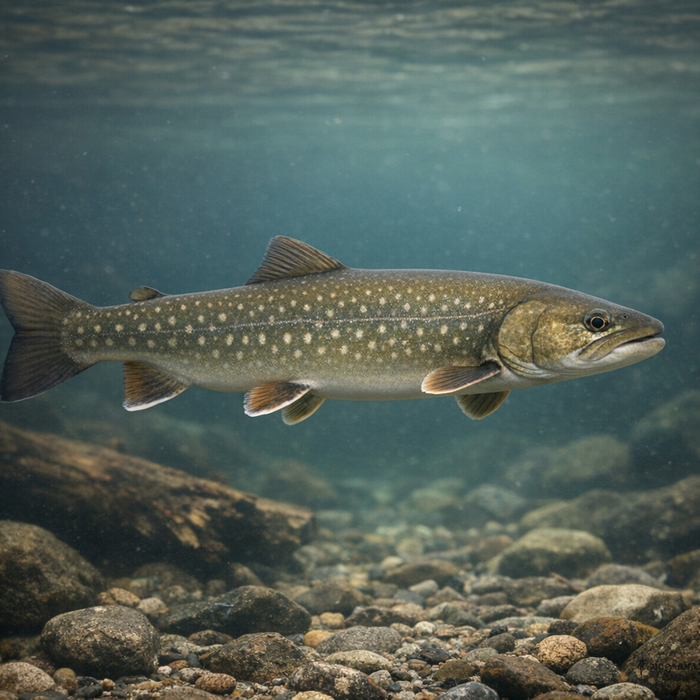
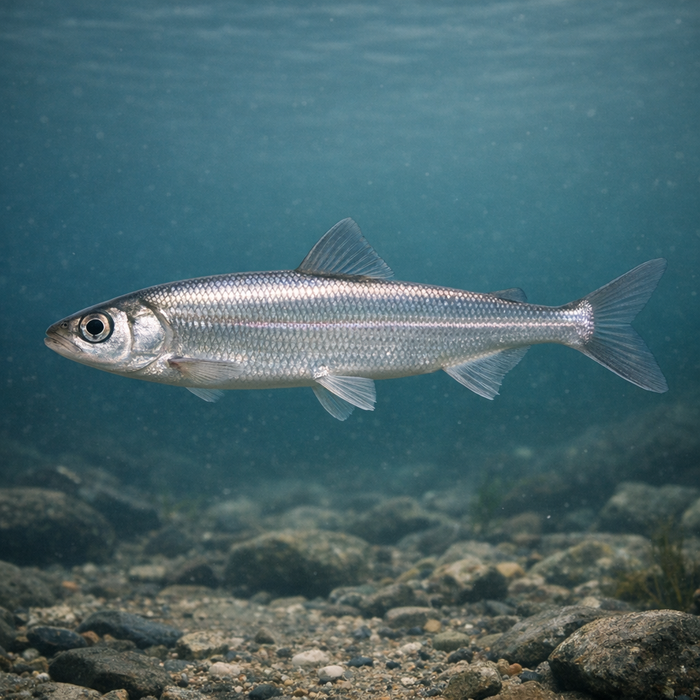
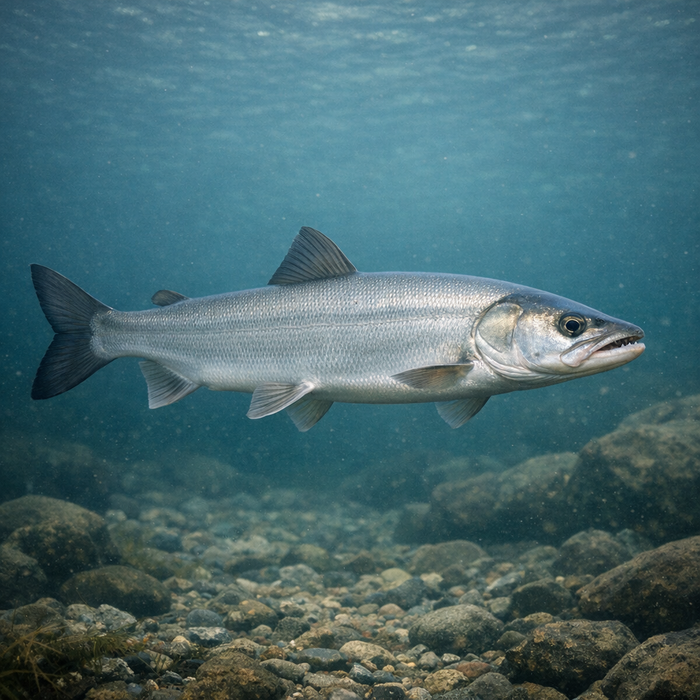
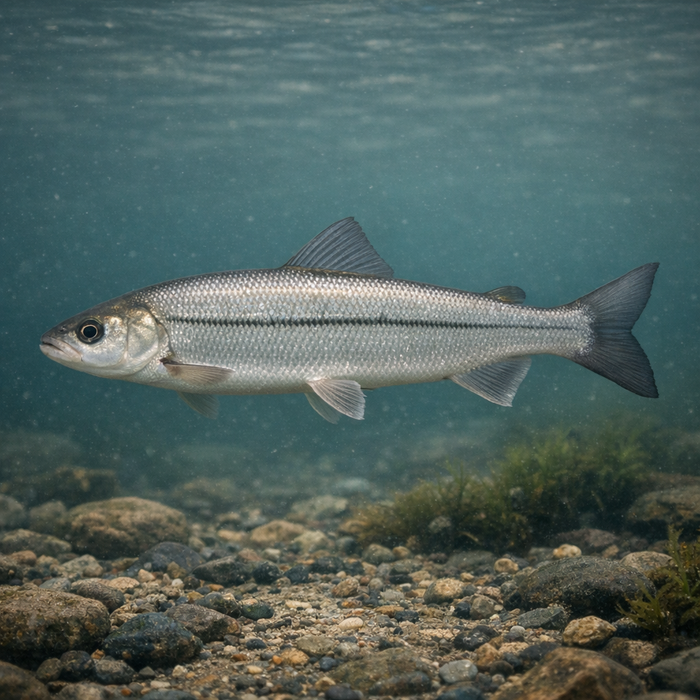
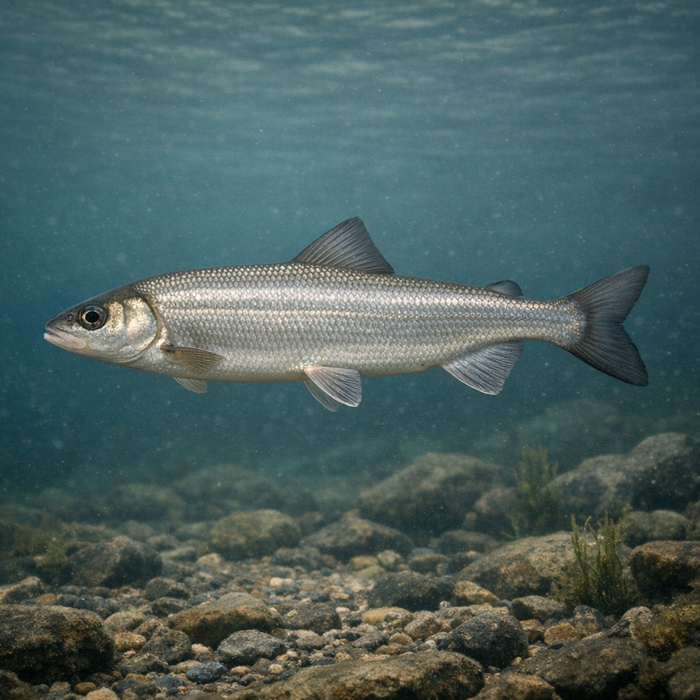
Pygmy Whitefish (Prosopium coulterii): The tiny salmonid that outlived glaciers and still dodges attention.IntroductionBlink and you'll miss it. The pygmy whitefish is a pocket-sized salmonid built for cold, deep water and low drama. It won't smoke your drag or leap like a show-off. Instead, it packs a 12,000-year survival story into a fish that barely fills your palm. For anglers who love oddball targets and under-the-ice mysteries, this species is catnip. If you're hunting real Pygmy whitefish facts or want a better sense of Pygmy whitefish habitat, settle in.What Makes the Pygmy whitefish Unique?Start with size: the pygmy whitefish is the runt of the whitefish clan, often maturing around 4-6 inches. Then add engineering. Dense gill rakers let it strain tiny crustaceans and insect larvae like a living sieve, and oversized eyes help it navigate the dim world of deep basins and winter darkness. It's also a glacial relict. When ice sheets retreated, isolated pockets of fish endured in a scatter of cold lakes and headwater systems. That backstory gives the species quirky distribution and a loyal following among anglers who enjoy catching something truly offbeat.Habitat & Global RangePygmy whitefish keep life simple: cold, clean, and mostly deep. They gravitate to large, oligotrophic lakes, stacking in midwater to near-bottom bands that can run 60 to 200 feet. In fall, they push up tributary streams to broadcast eggs in gravel, often under snow and near-freezing flow. The modern strongholds trace the old ice: Alaska and northwestern Canada, with outposts in northern Rockies waters. Even where they live, they aren't everywhere, and in many lakes they occupy a quiet niche beneath more famous predators.Behavior & TemperamentThink school bus, not lone wolf. Pygmy whitefish move in tight groups, shadowing food layers and dodging lake trout and burbot. They're modest biters, happiest at low light or in winter, and they respond to gentle, vertical presentations that match zooplankton and midge larvae. During spawning runs, they bunch in riffles and tailouts, then slip back to the lake. They won't bulldog your rod, but their tiny mouths punish sloppy tackle. Hooking them reliably is a precision game.Ecological ImportanceSmall doesn't mean small-time. Pygmy whitefish are premium fuel for big predators. In cold lakes, they can be the link between microscopic plankton production and the heaviest trout in the basin. Their schooling behavior concentrates calories, and their year-round availability helps stabilize predator growth. Healthy pygmy populations quietly keep entire coldwater food webs humming.Conservation & Environmental PressuresOverall, pygmy whitefish sit in decent shape, but their world is unforgiving. Warm, nutrient-rich water isn't their thing, and shoreline development or sediment-choked tributaries can spoil spawning gravel. Climate shifts that shrink the cold layer or disrupt oxygen regimes threaten the deep refuges they rely on. Because the fish is small and under-the-radar, local declines can go unnoticed. Protect the cold and the flow, and they tend to do fine.The FishyAF TakeIf the fishing world had baseball cards, the pygmy whitefish would be a weird rookie that collectors whisper about. Catching one won't flex your biceps, but it will flex your subtlety. Micro jigs, hair-thin leaders, vertical discipline, and a willingness to fish the blank parts of the sonar screen are the keys. For the curious angler, the reward is a species with serious Ice Age cred and an outsized role in making trophy trout possible. It's a humble win, and it counts.