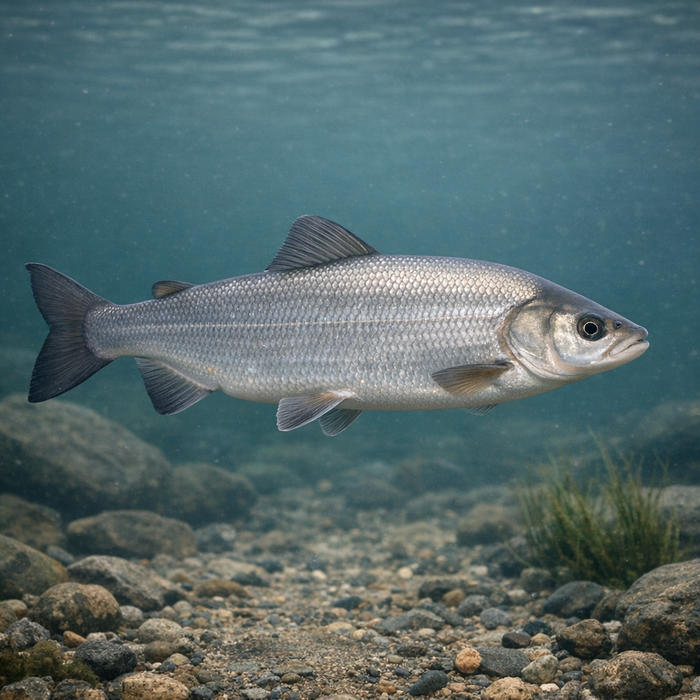
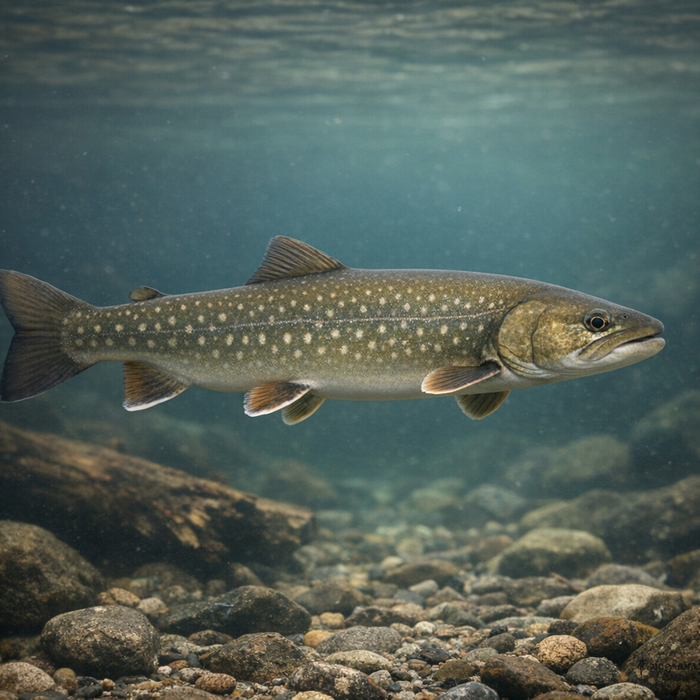
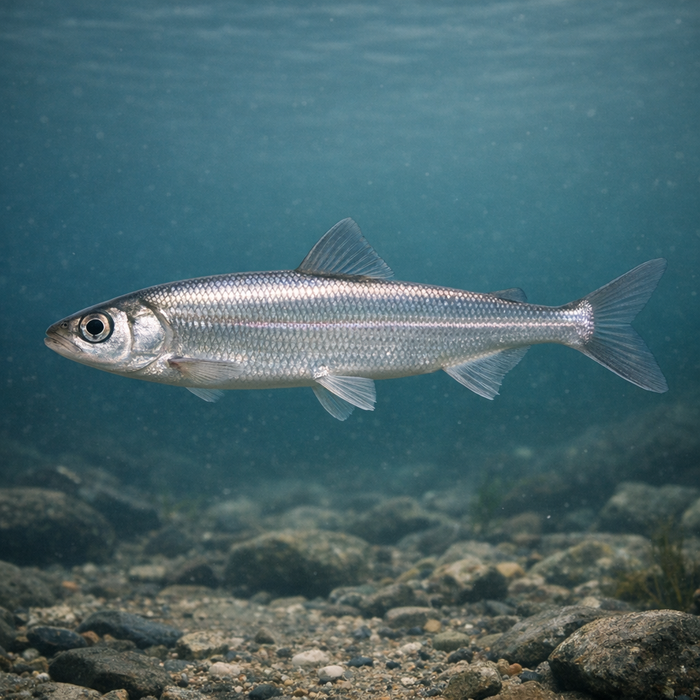
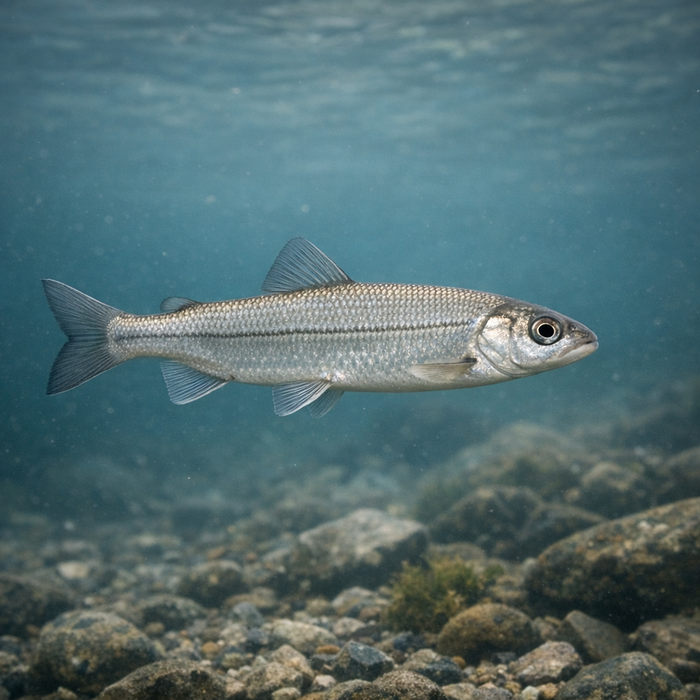
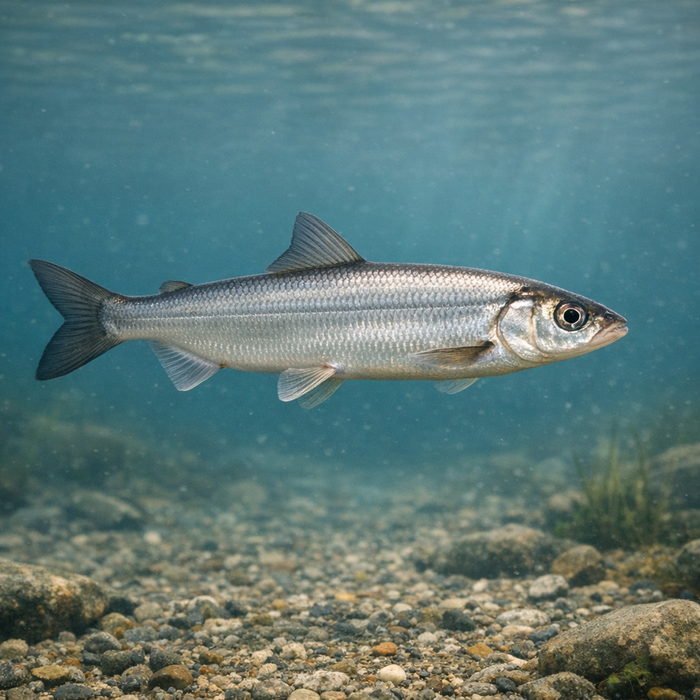
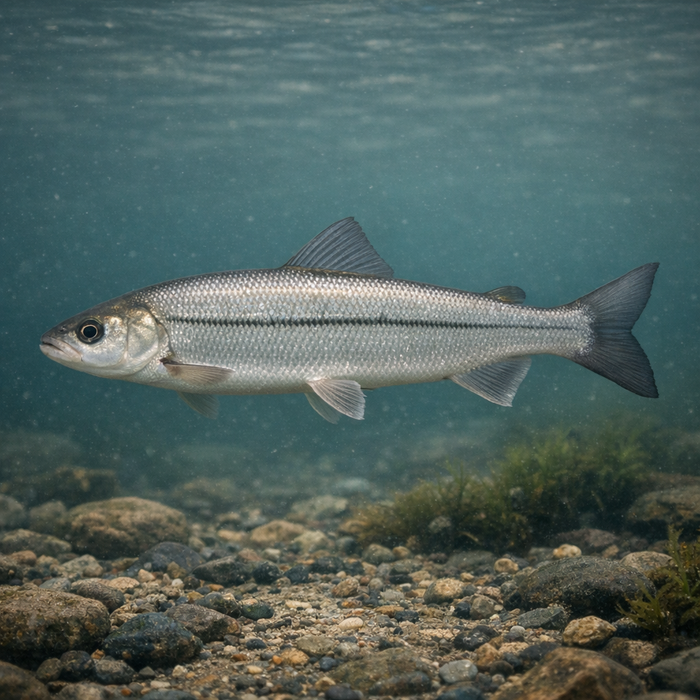
Sheefish (Stenodus leucichthys): A Bold, Memorable Hook LineIntroductionIf a pike and a whitefish had a gym-rat cousin that preferred enormous, empty rivers, you'd get the sheefish. This Arctic heavyweight is chrome-bright, big-mouthed, and built to roam. Anglers whisper about them like legend because the water they haunt is remote, cold, and punishing. Get to the right river, though, and sheefish will crush a spoon with a thud you'll feel in your elbows.What Makes the Sheefish Unique?First, size. Sheefish are the largest whitefish on the planet, with real-deal specimens punching past 40 pounds. Second, that mouth. Unlike daintier whitefish cousins, a sheefish is a fish-eater first, engineered with a narrow-toothed maw perfectly tuned for smoked herring impersonators and salmon smolt buffets. Third, the lifestyle. Many populations are partially anadromous, ghosting through brackish deltas before rocketing upriver to spawn on clean gravel. That blend of brute size, predatory swagger, and megamigration is why Sheefish facts always read a little unreal.Habitat & Global RangeSheefish habitat is big water done Arctic-style: sprawling deltas, mile-wide channels, and off-color braids that shuffle sandbars like a deck of cards. In North America, think Alaska's Yukon, Kuskokwim, Kobuk, and Selawik systems, plus reaches of the Mackenzie in Canada's Northwest Territories. Across the pole, their relatives work Siberian rivers on a similar schedule. They favor broad current seams, drop-offs beside sand flats, and deeper migration corridors where bait stacks and the flow delivers meals. In lakes, they roam midwater zones, shadowing schools rather than hugging structure. Ice or open water, they're built to travel.Behavior & TemperamentSheefish are cruisers. Instead of living tight to timber or rock, they slide along subtle depth changes and follow forage like salmon smolt, herring, and whitefish. When they feed, they mean it. Hits feel like a sledgehammer, followed by bullish head shakes and stubborn arcs in the current. They're not sprinters like steelhead, but they are relentless, especially in heavy river flow. Low light often flips the switch, and the biggest fish commonly appear near river mouths or pinch points during migratory pulses. Winter doesn't slow them much; under ice they'll smack heavy jigs with rude authority.Ecological ImportanceTop-end whitefish with a predator's appetite, sheefish connect multiple ecosystems. Anadromous or not, they shuttle energy from estuary to upriver spawning grounds, gorging on seasonal surges of bait and then depositing eggs on gravel that feeds everything from invertebrates to scavengers. Their timing with salmon smolt migrations makes them both competitor and regulator in systems already stacked with salmonids, pike, and burbot. Big, old sheefish store years of Arctic productivity, anchoring food webs in places where winters are long and mistakes are costly.Conservation & Environmental PressuresDespite a healthy reputation in places like northwest Alaska, sheefish live in rivers that can change fast. Hydrologic shifts, warming trends, and silt loads rearrange spawning gravel and migration corridors. Development, water withdrawals, and poorly timed crossings can disrupt seasonal runs. Because many fisheries are remote, data is patchy. Some drainages swing wildly with ocean productivity and salmon cycles. The smart approach is simple: local knowledge, conservative harvest, and respect for a fish that takes years to produce a true trophy.The FishyAF TakeThe sheefish is the Arctic's silver sledgehammer. It doesn't need fancy structure or exotic tactics; it just needs room to roam and something shiny or meaty in the zone. If you want pampered access, pick another species. If you want a big, clean fight in big, clean water, the sheefish brings it. Study the flows, shadow the bait, keep your gear simple and stout, and appreciate that this is still a wild, lightly pressured fish. Half the thrill is getting there. The other half is that unmistakable, shoulder-deep thump when a chrome slab decides your spoon looks like trouble.