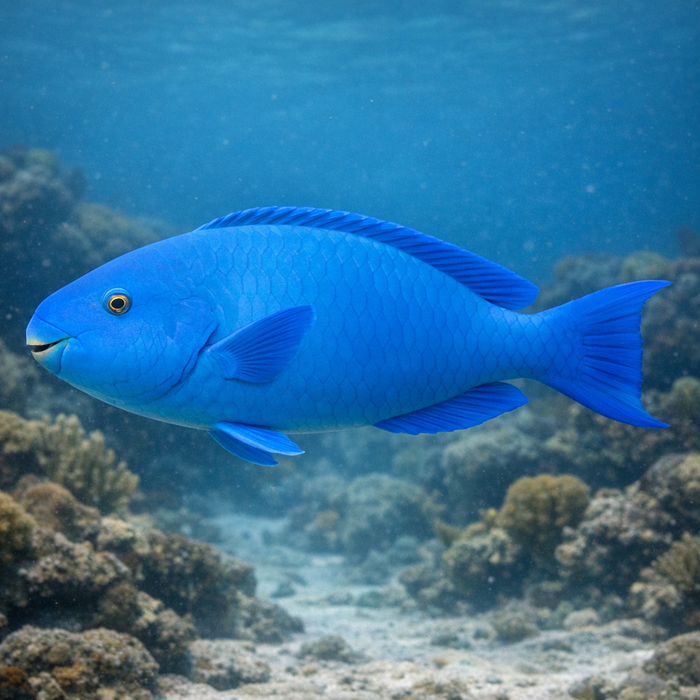
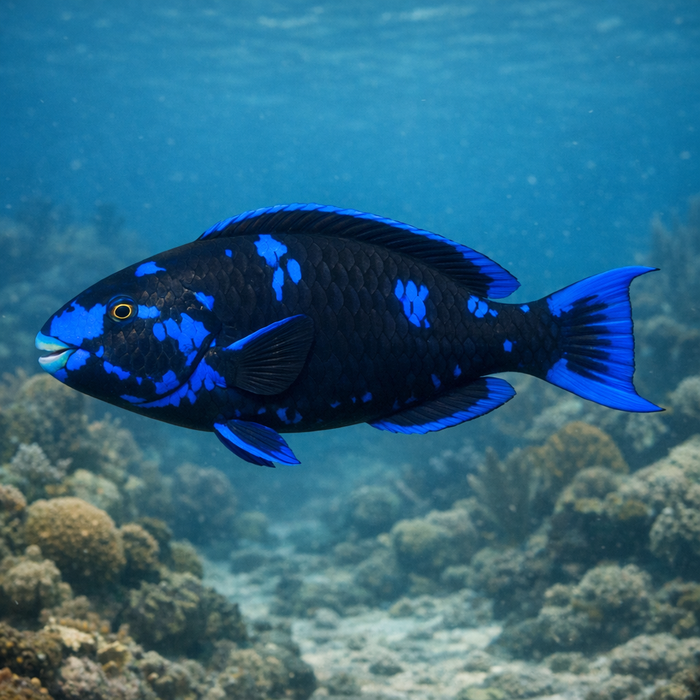
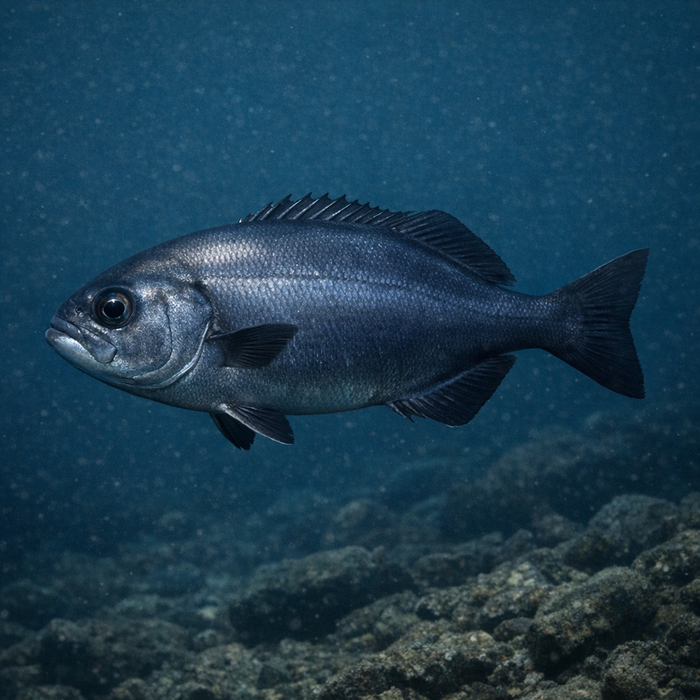
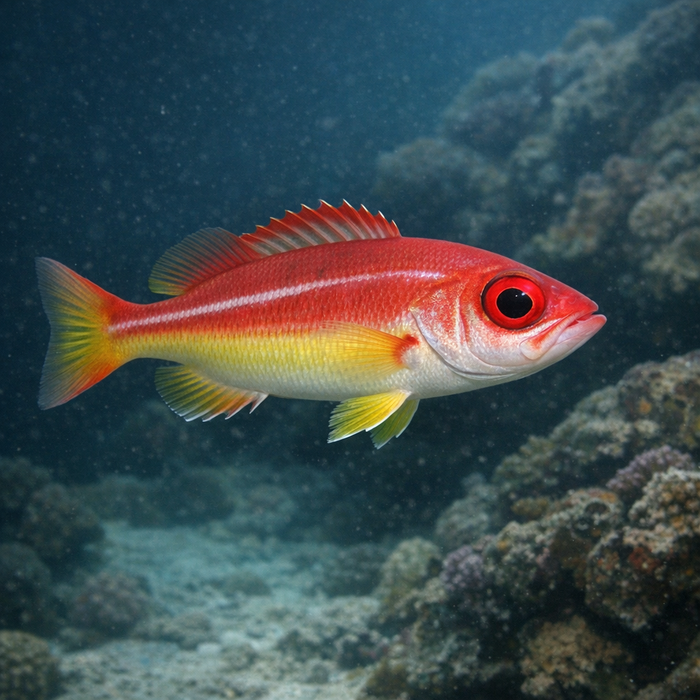
Rainbow Parrotfish (Scarus guacamaia): A Bold, Memorable Hook LineIntroductionThe rainbow parrotfish is the reef's rumbling lawnmower, mowing algae, crunching coral rubble, and literally pooping sand that becomes tomorrow's beach. It's not a classic gamefish, but it's impossible to ignore. Big, blocky, and decked in earthy greens and oranges, this fish glides like a slow tank through turquoise shallows. If you want Rainbow parrotfish facts that actually matter for anglers, start here: they're visual, daytime cruisers that live shallow, they're picky as heck, and in many places they're fully protected.What Makes the Rainbow parrotfish Unique?Two things vault the rainbow parrotfish into legend status. First, size: it's the largest Atlantic parrotfish, with gnarly hardware to match. The beak is a fused arsenal of tiny teeth that chews limestone into powder, then a second set of throat plates grinds the meal to dust. Second, the sleep setup: at night it slips into a translucent mucus sleeping bag that helps block scent from predators. Toss in color shifts between life phases and you've got a fish that looks like it was patched together by a reef-obsessed mad scientist.Habitat & Global RangeIf you're chasing Rainbow parrotfish habitat, think warm, shallow Western Atlantic water: Florida Keys to Bermuda, Bahamas, the Greater and Lesser Antilles, and down through the Caribbean rim of Central and South America. Mangroves matter. Juveniles hunker in the roots before graduating to adjacent patch reefs and spur-and-groove zones. Adults cruise 3 to 30 feet deep, grazing on turf algae around coral heads, seagrass edges, and sandy corridors. They're homebodies compared to pelagics, but cover serious ground over a day's graze.Behavior & TemperamentThey're daylight workers. You'll hear their crunch before you see them, then watch a slow, deliberate grazer bulldoze along rock and coral. The rainbow parrotfish is wary of fast movement and sloppy casts. It's not aggressive toward lures like jacks or snappers, and it won't sprint far to eat anything you throw. Instead, you'll see small groups or loose pairs moving predictably as they clip algae mats. Hook one and expect sturdy, bulldogging runs toward coral-short, dirty fights where abrasion beats drag.Ecological ImportanceParrotfish shape reefs. By scraping algae, rainbow parrotfish free up coral to grow, reduce smothering turf, and recycle hard substrate into fine, bright sand. That sand is coastal currency: it pads beaches, fills lagoons, and buffers shorelines. Juveniles relying on mangrove nurseries ties reef health to shoreline health. Lose the mangroves and you dent the reef's cleanup crew. Lose the cleanup crew and you smother coral. It's a tight loop, and this species is a keystone gear in the machine.Conservation & Environmental PressuresThe rainbow parrotfish has been hammered by habitat loss and historical overharvest. In many jurisdictions it's now a no-take species. Even where legal, strict rules, gear restrictions, and marine protected areas are common. The big threats today are mangrove clearing, degraded water quality, and reef die-offs from heat stress. Without healthy nurseries and live coral structure, recruitment tanks. The result: fewer giants, fewer sand-makers, and a reef that struggles to keep algae in check.The FishyAF TakeThe rainbow parrotfish isn't about hero shots or grip-and-grins. It's about seeing the reef's engine at work. Spotting one is a win; hooking one is usually unnecessary and often illegal. If you want a challenge, bring a camera, not a cooler. Quiet wading, sharp eyes, and a respectful buffer get you the best look. Among all Rainbow parrotfish facts worth remembering, this one tops the list: protect the mangroves and the reef stays alive, the beaches stay sandy, and this big, weird, wonderful grazer keeps doing the heavy lifting.