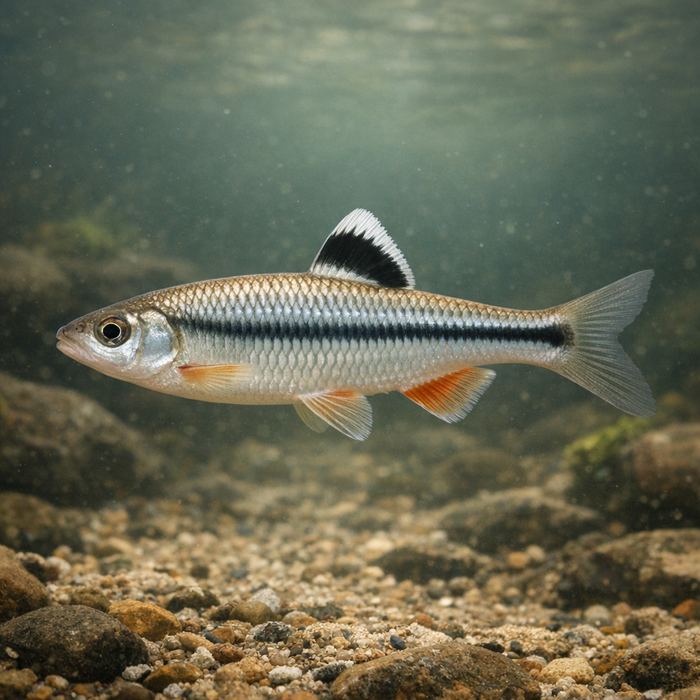
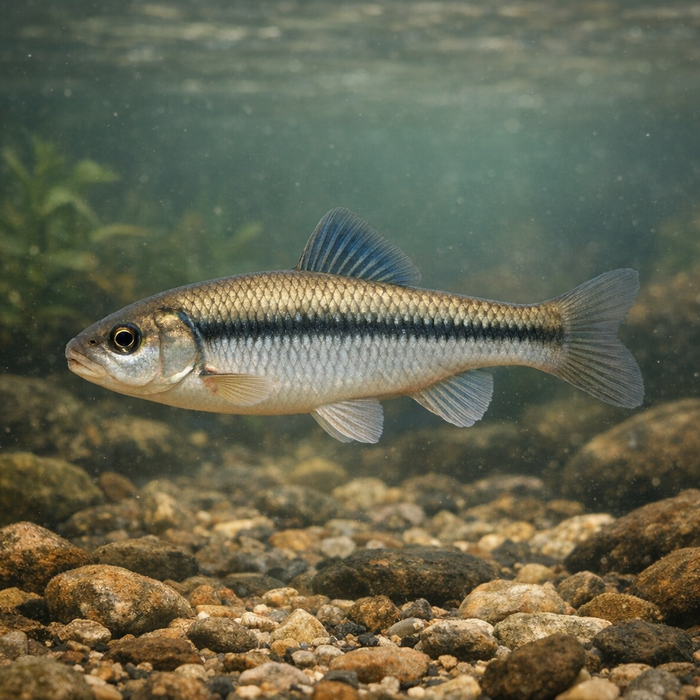
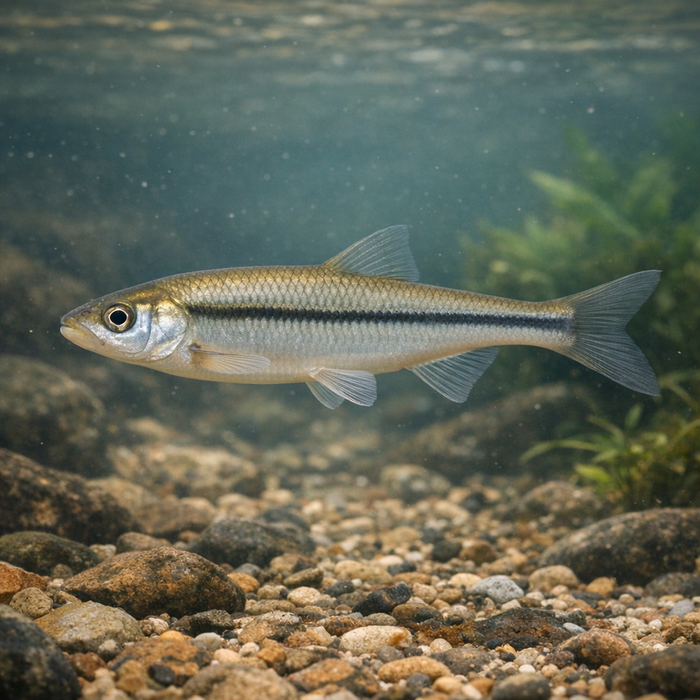
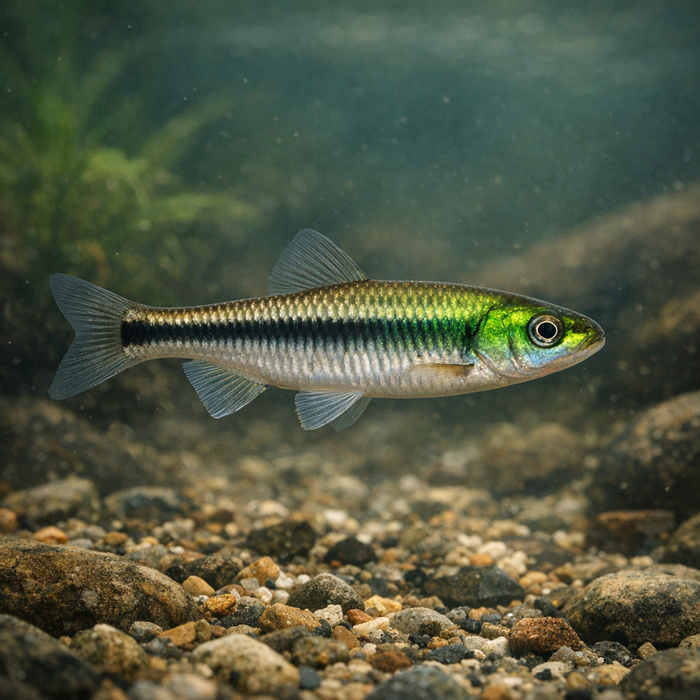
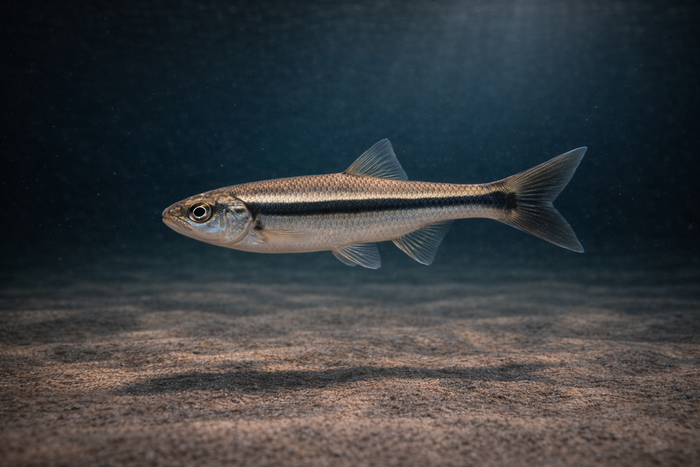
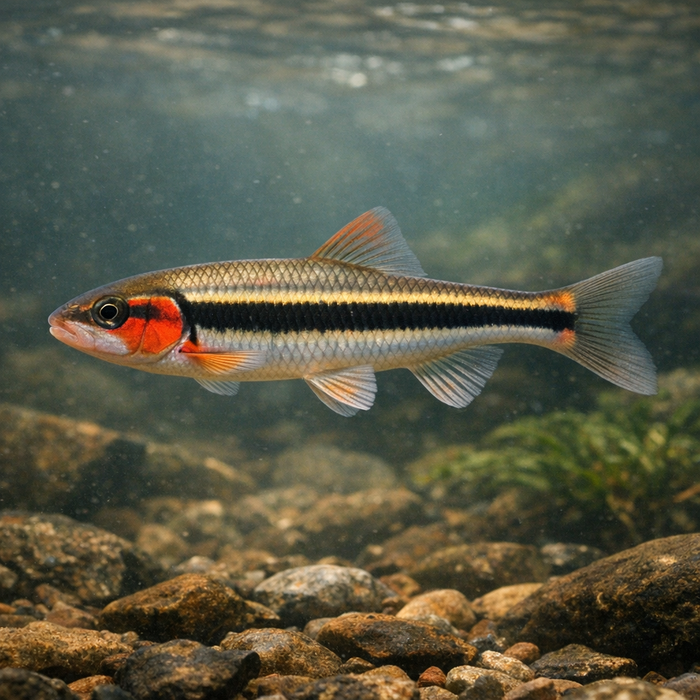
Rainbow shiner (Hydrophlox chrosomus): A Bold, Memorable Hook LineIntroductionIf a disco ball learned to swim, it would be the rainbow shiner. This tiny Southeastern minnow erupts in neon pinks and violets each spring, putting half the tropical aquarium trade to shame. Anglers don't chase rainbow shiner for drag-scorching runs; they stalk them for color, delicate presentations, and the sheer joy of coaxing a micro torpedo from crystalline current. Welcome to the microfishing rabbit hole.What Makes the Rainbow shiner Unique?Two things. First, spawning colors that look illegal. Male rainbow shiner light up with fluorescent bands and luminous fins, turning gravel riffles into runway lights. Second, their social swagger. Rainbow shiner gather in tight schools and stage fast, synchronized bursts across shallow shoals, then freeze midwater like suspended confetti. Add in a quirky reproductive strategy where they often deposit eggs on a bluehead chub's tidy gravel mound, and you've got drama worthy of prime-time. If you came here for rainbow shiner facts, start with this one: nothing this small should be allowed to be this flashy.Habitat & Global RangeRainbow shiner habitat is surprisingly specific. Think clear, cool-to-warm creeks and small rivers with sand, gravel, and scattered cobble. They haunt runs below riffles, edges of pools, and shallow shoals with good current and high oxygen. Their native stronghold is the Mobile Basin and adjacent drainages across Alabama and parts of Georgia and Tennessee. They've slipped into a few neighboring watersheds, likely by bait-bucket introductions, but remain a Southeastern specialty. Water clarity matters; when storms stain the flow, schools drop into calmer pockets or deeper runs until visibility returns.Behavior & TemperamentRainbow shiner operate on tempo. In glassy water they're wary, but when current hums they feed confidently in the mid-column. Schools pivot at once, flashing mirrored flanks, then dart for cover at the shadow of a heron or curious angler. Spawning ignites in late spring as temperatures warm; males square off with shimmying displays before mobbing chub nests in chaotic surges. Outside the spawn they downgrade their wardrobe to subtle metallics and cruise more evenly. Hooking one is more about finesse than force. Think micro hooks, featherweight drifts, and zero splash.Ecological ImportanceThis fish is a tiny node in a big network. Rainbow shiner convert insect hatches into protein for sunfish, bass, and other predators. Their schooling behavior cycles nutrients across riffles and runs, while egg-scattering over chub nests turns one species' housekeeping into another's nursery. Because they telegraph water quality with their presence and color, they're a living indicator for healthy Southeastern creeks. Lose the riffles and you lose the runway lights.Conservation & Environmental PressuresGood news first: rainbow shiner are generally secure. The catch is that they're picky about habitat. Silt from sloppy development, low oxygen from warm impoundments, and chronic turbidity can kneecap a local population fast. Dams that flatten riffles, riparian clearing that overheats streams, and careless bait transfers also shift the deck. Fortunately, where gravel shoals stay clean and flows stay cool, they bounce back.The FishyAF TakeAre rainbow shiner the heaviest fish you'll land this year? Not even close. But few catches feel this alive in the hand. If you want a crash course in stealth, drift control, and reading current, these little fireworks will teach it fast. Sneak in, lay down a micro drift, and watch a pink-laced missile tip the hook. That moment is why we fish. Call it art-class meets angling: tiny canvas, loud colors, perfect brushstrokes.