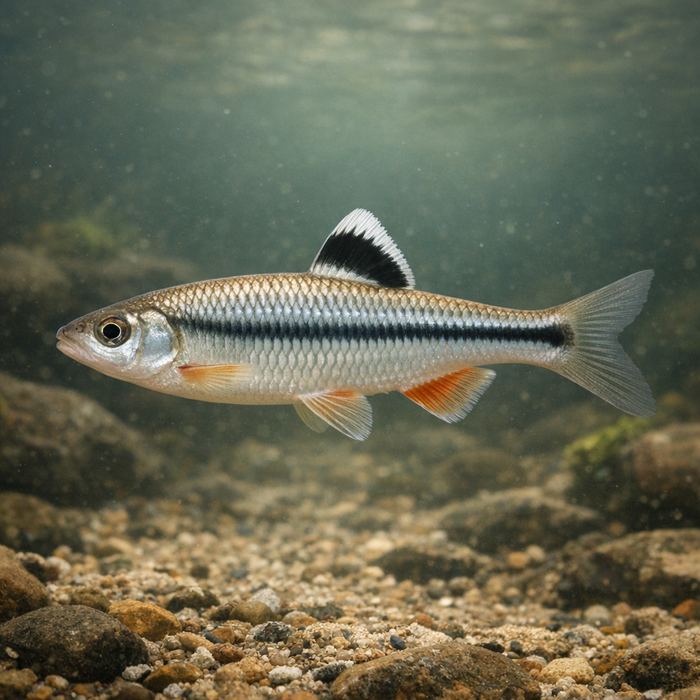
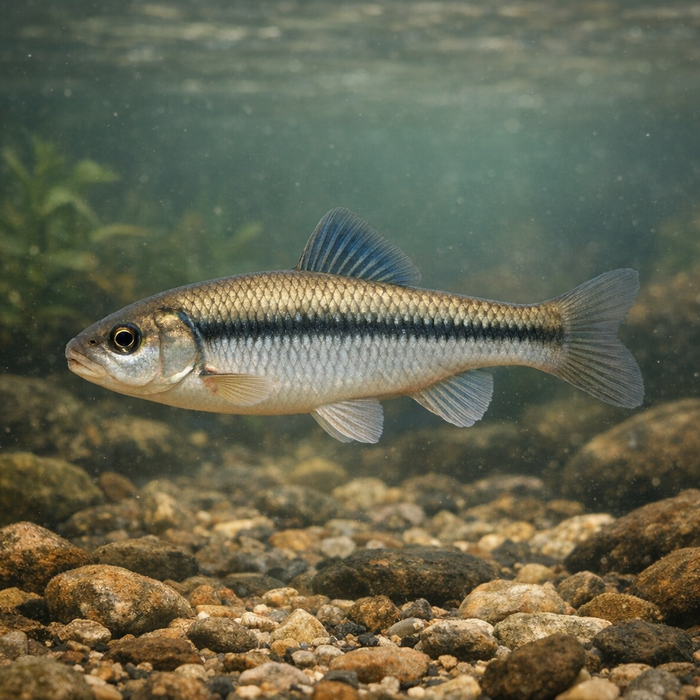
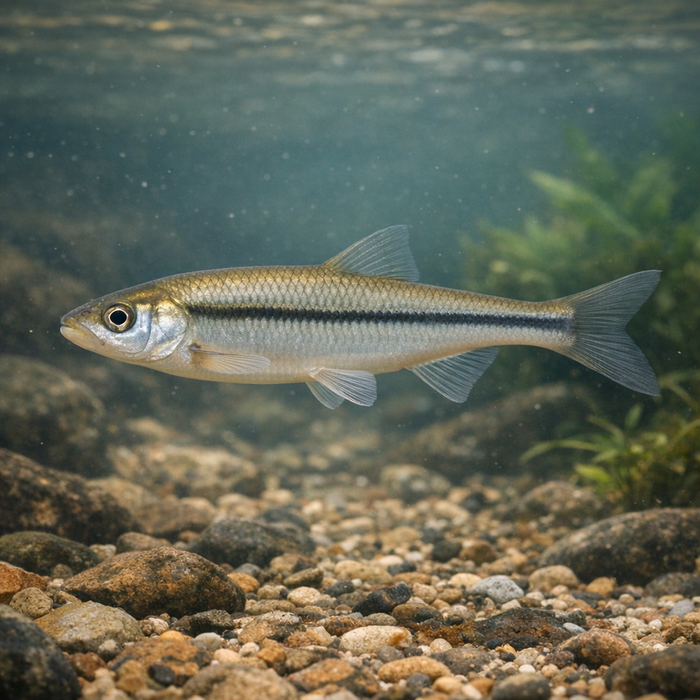
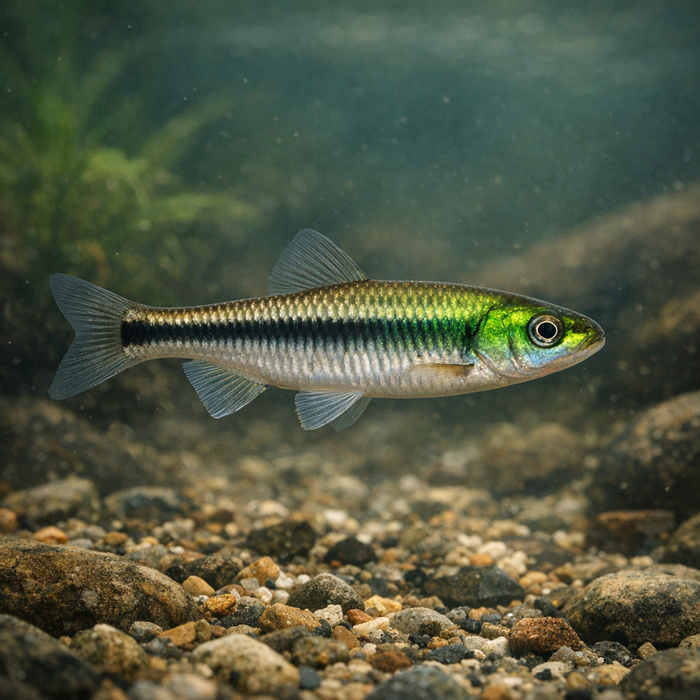
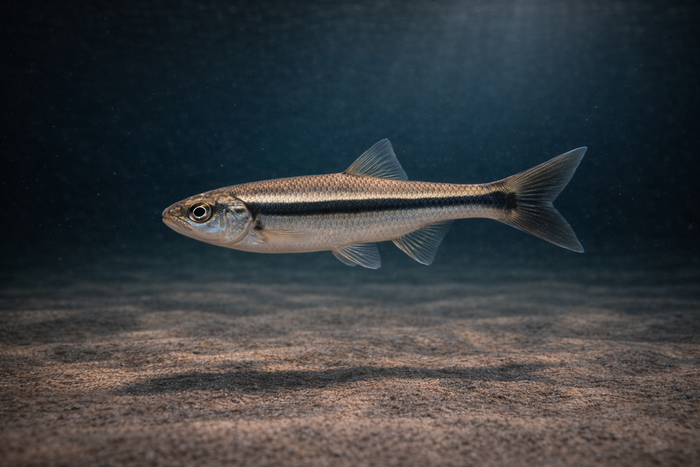
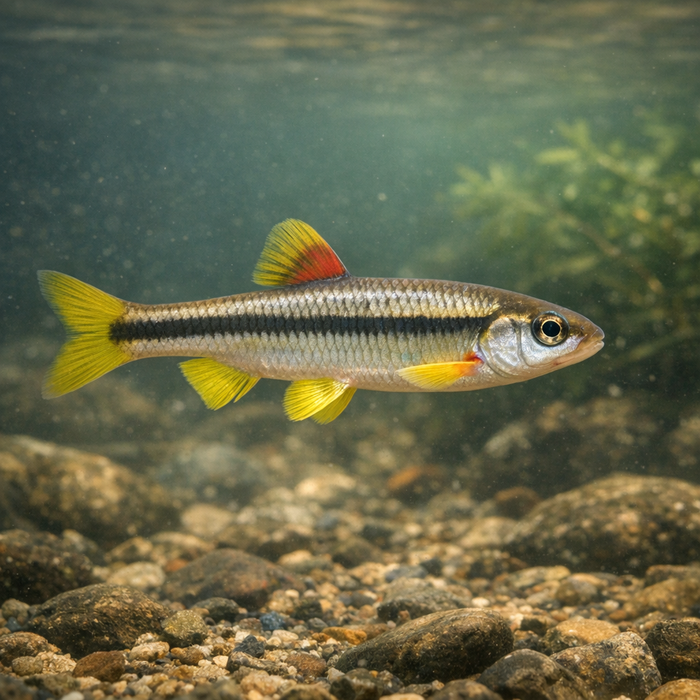
Warpaint Shiner (Luxilus coccogenis): A Bold, Memorable Hook LineIntroductionThe warpaint shiner is the flashy little hype-man of Appalachian creeks. One minute the pool looks empty, the next it's glittering with red-snouted missiles strafing the current. They're small, quick, and absurdly pretty when the sun hits right. You don't chase them for drag-scorching runs; you chase them because they turn ordinary riffles into living confetti. If you want true Warpaint shiner facts, start with this: showy color, tight schools, and surprising attitude for a fish that barely tops a few inches.What Makes the Warpaint shiner Unique?First, breeding males. During the spawn they paint their snouts and fins a blazing red that would make a lipstick brand jealous. Add electric turquoise body bars and you get a fish that looks half-trout, half-tropical. Second, they're nest associates. Instead of building their own nest, warpaint shiner often spawn over the gravel mounds constructed and guarded by chubs. That piggyback strategy gives their eggs bodyguard coverage with none of the manual labor. Third, they're lightning quick. This isn't a heavy hitter, but in a clear stream the school can vanish and reappear faster than you can re-bait.Habitat & Global RangeCall it the highland special. The Warpaint shiner habitat sweet spot is clear, cool, rocky streams across the southern Appalachians, especially the Tennessee River drainage and neighboring upland systems. Riffles, runs, and pool tails with pea-to-cobble gravel are prime. They'll also occupy small rivers and the inlets of cool reservoirs when flow and clarity stay right. They're local specialists, not globe-trotters, and their best water usually has a mix of current seams, boulders, and clean gravel. If you're scouting new creeks, think shade, gradient, and oxygen.Behavior & TemperamentWarpaint shiner school hard, often by size class, with bold, colored-up males working the edges like tiny bouncers. They feed midwater more than true bottom scrapers, rising for drifting bugs and darting down for morsels kicked loose by current. During spring and early summer, they stage near riffles for spawning runs into chub nests, then spread back into mixed habitats once water warms. They're cautious in gin-clear flow, but curiosity often wins when a speck of worm or a micro-fly drifts right. Hook one and expect a jittery, zigzag fight measured in seconds, not yards.Ecological ImportanceThis minnow is a high-speed snack courier for the stream food web. They convert drifting invertebrates and algae into pure protein for trout, bass, and kingfishers. Their nest association habit links them tightly with native chubs; when chubs thrive and keep building clean gravel mounds, the Warpaint shiner benefits. Lose the gravel, silt the riffles, and the whole show stutters. Healthy warpaint shiner populations are a clear-water signal in the Appalachians.Conservation & Environmental PressuresListed as Least Concern, the species is doing fine in many waters. Still, the usual freshwater villains apply: siltation from poor land use, warm runoff that cooks summer flows, and habitat fragmentation from culverts and small dams. Bait-bucket releases can shuffle genetics and create weird range blips. Climate trends that push summer temps higher can squeeze shallow headwaters too. Keep gravel clean, shade intact, and flow connected, and the warpaint shiner keeps shining.The FishyAF TakeThe warpaint shiner is proof that "small" doesn't mean "boring." It's a pocket-sized showpiece with swagger: red-lipped during the spawn, iridescent in good light, and fast enough to humble slow hands. For ultralight and micro anglers, it's a perfect target to practice stealth, drifts, and reading current. It's also the ultimate bycatch celebrity while you're rigging for trout. If you're collecting Warpaint shiner facts, add this final note: in clean Appalachian water, few fish deliver more color per ounce. Respect the riffles, fish light, and enjoy the spark.