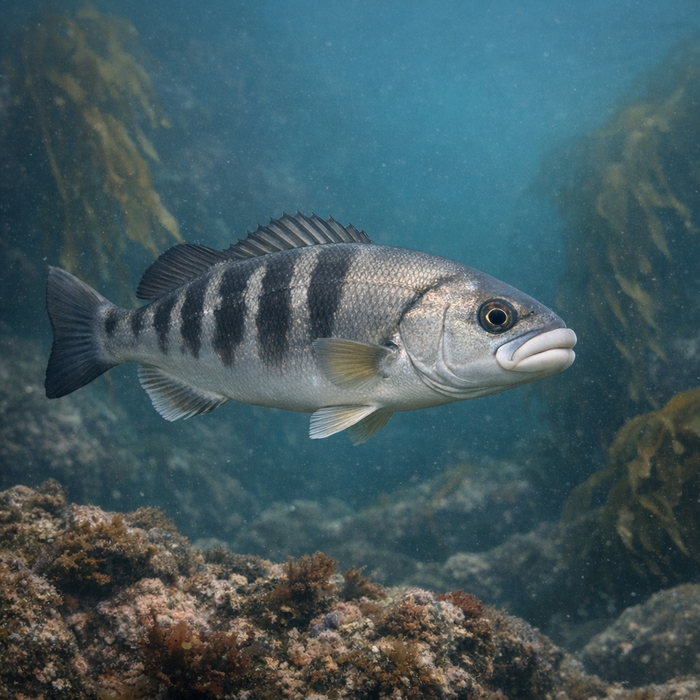
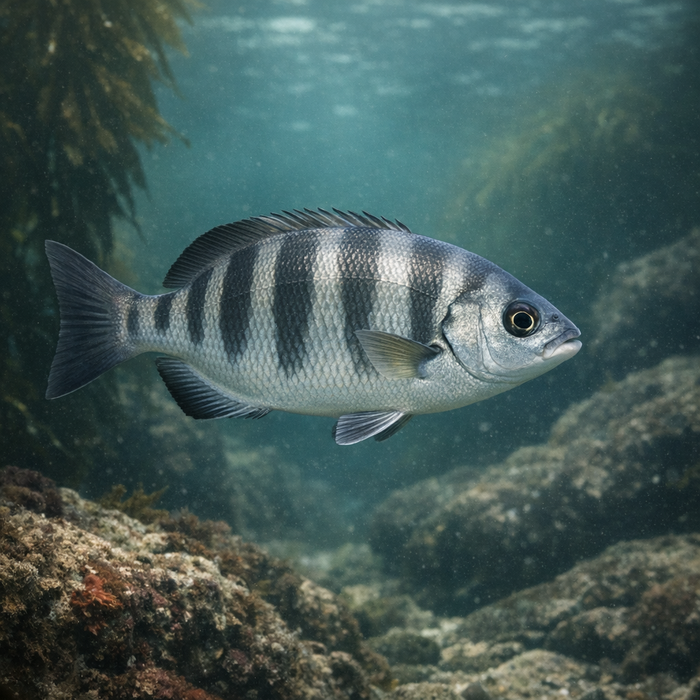
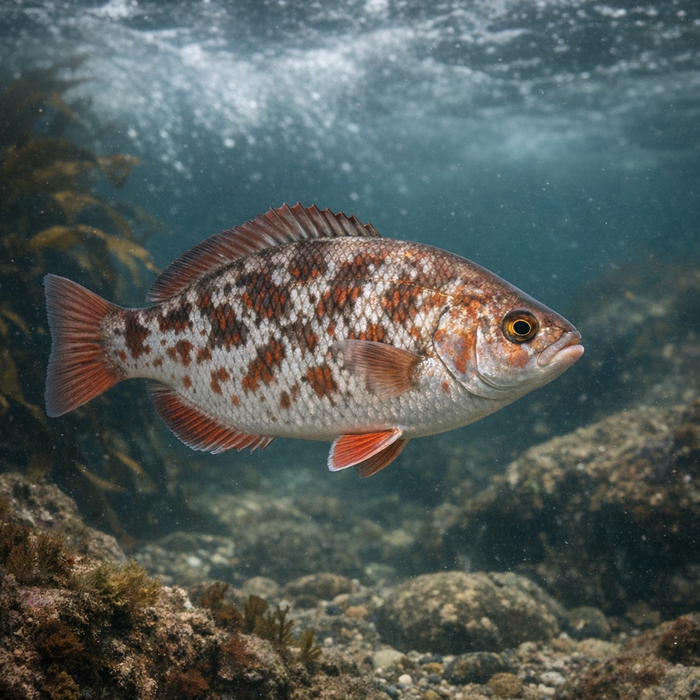
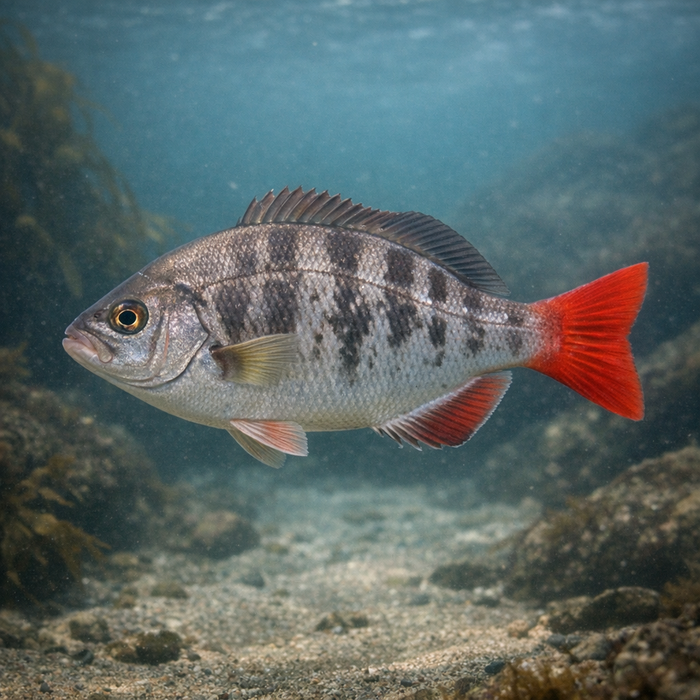
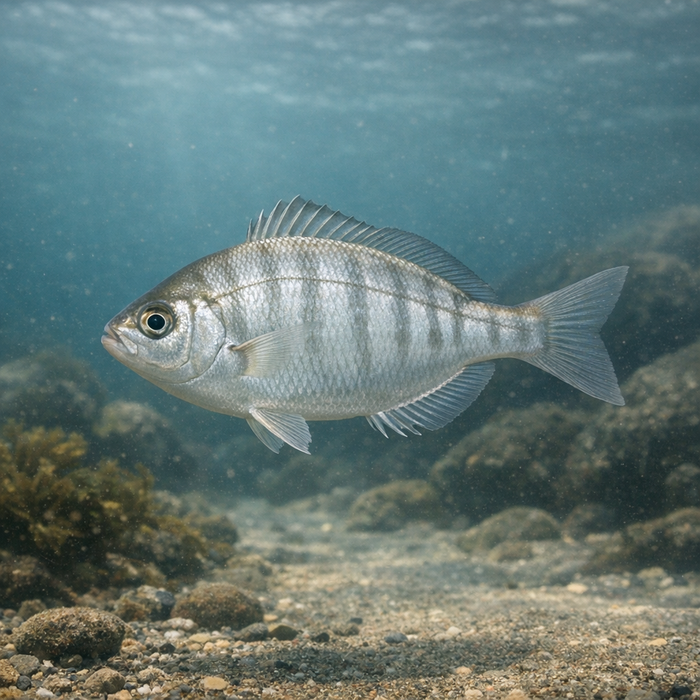
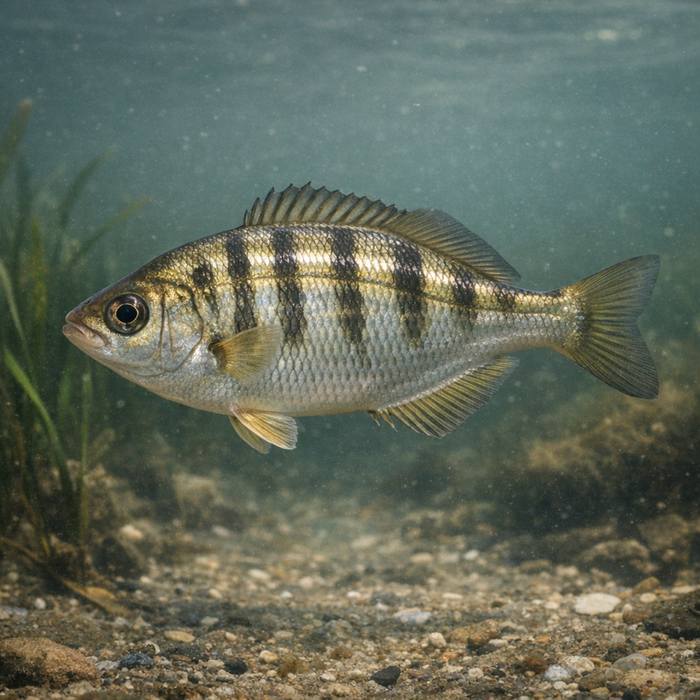
Russian River Tule Perch (Hysterocarpus traskii): A Bold, Memorable Hook LineIntroductionSmall fish, big curveball. The Russian river tule perch is a livebearing surfperch that ditched the surf for freshwater jungles of reeds. If you think panfish all play by sunfish rules, this little specialist will happily rewrite your playbook.What Makes the Russian river tule perch Unique?Start with the family tree. It's a surfperch, yet the Russian river tule perch thrives in freshwater and brackish backwaters where tules crowd the banks. Like its salty cousins, it's viviparous: babies develop internally and are born fully formed, not hatched from eggs. That means big, ready-to-eat fry and tight seasonal timing. Add a body built like a silver coin, perfect for slipping between stems, and you've got a fish evolved for life in the green maze. Among Russian river tule perch facts, the freshwater surfperch twist is the headliner.Habitat & Global RangeThe Russian river tule perch lives the slow life in tule-lined sloughs, channel edges, oxbows, and tidal backwaters. Current is a suggestion, not a mandate. It hugs vegetation for food and cover, working pockets and edges where sunlight filters through reeds. While the species Hysterocarpus traskii occurs elsewhere in California's lowland waters, the Russian River population is a distinct, isolated branch. If you're scouting Russian river tule perch habitat, think quiet, weedy, and shallow, with occasional brackish influence near the estuary.Behavior & TemperamentSchooling is the default, especially with smaller fish. The bigger females often hang deeper in the salad bar, moving short distances to feed. They're not brawlers, but they're efficient pickers, nailing small invertebrates and drifting morsels. Spawning behavior cues up after fall mating, with births in late spring to early summer. When the pup drop happens, action along the weedlines can light up in quick, focused windows.Ecological ImportanceThis fish is a conveyor belt for energy in murky, plant-choked water. It turns insect life into fast calories for herons, bass, pikeminnow, and larger predators, while its own livebearing strategy produces sizable, ready-to-feed juveniles. Those fry rapidly occupy the same vegetated microhabitats, tightening the feedback loop between aquatic plants, invertebrates, and vertebrate predators. In short, the Russian river tule perch keeps the slough food web humming.Conservation & Environmental PressuresHabitat is both lifeline and liability. Drainage projects, channelization, invasive plants, and prolonged drought can squeeze the quiet backwaters this species needs. Add fluctuating salinity near estuaries and periodic sediment pulses after storms, and it's clear the fish survives by hugging the best remaining cover. While the broader species isn't flashing red on global lists, local populations can be vulnerable to any policy or practice that erases vegetated margins. Protect the tules and you protect the perch.The FishyAF TakeThe Russian river tule perch is a micro legend in a niche arena. It won't blister drags or win you a sponsorship, but it will teach precision: tiny hooks, stealth, and the fine art of reading green seams. It's also a walking, er, swimming contradiction a surfperch that prefers freshwater and gives birth to giant babies. If you like solving puzzles at panfish scale and you respect a fish that owns its lane, the Russian river tule perch deserves a spot on your ultralight hit list. And if you're chasing more Russian river tule perch facts or scouting Russian river tule perch habitat, start where the tules whisper and the current barely moves.