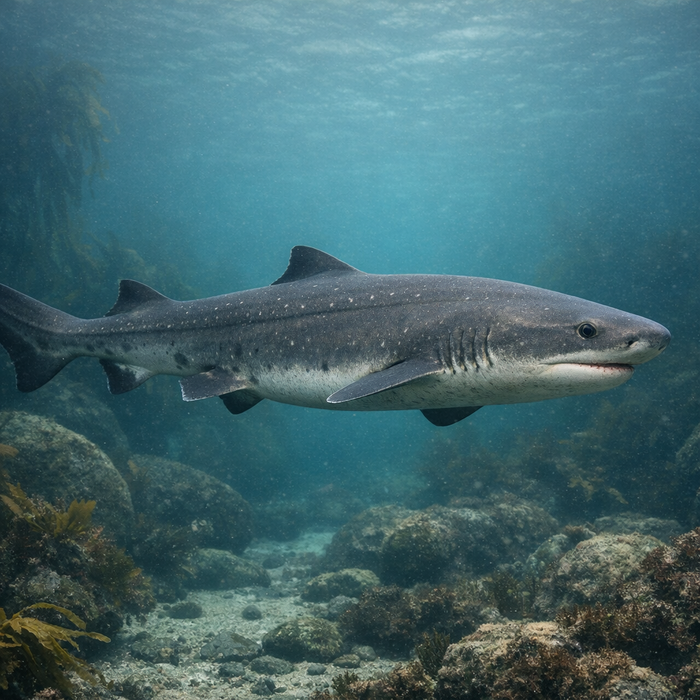
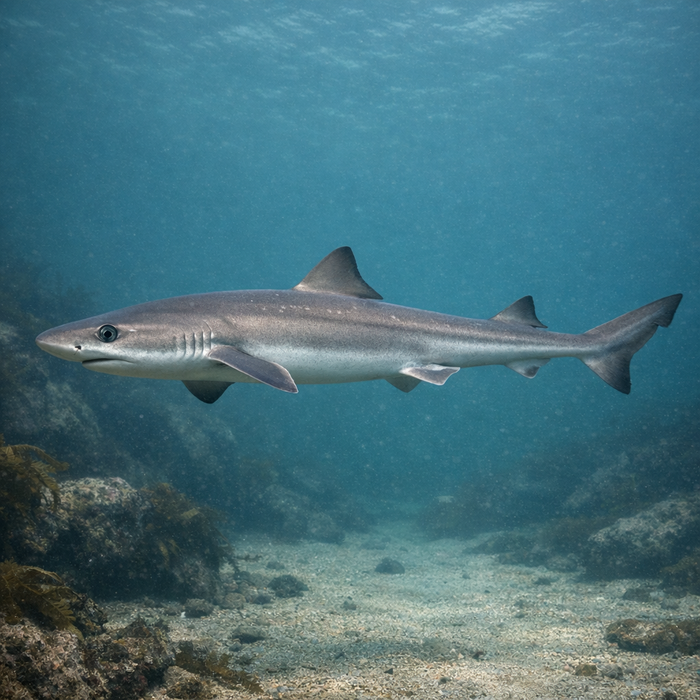
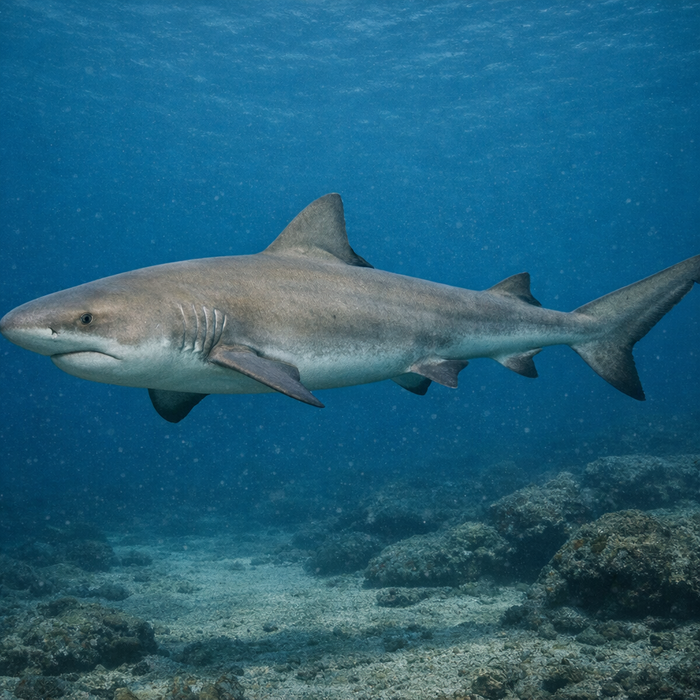
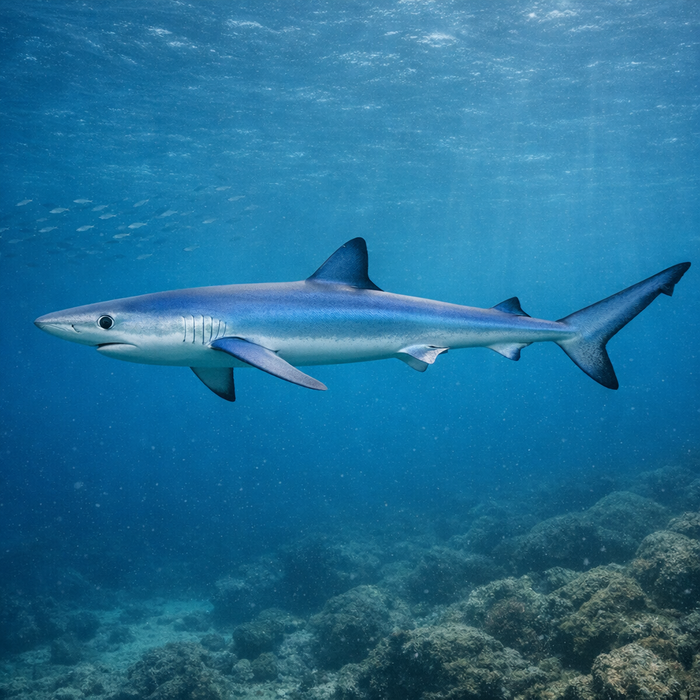
Sand Tiger Shark (Carcharias taurus): The Grim-Grin Hovercraft Of The WrecksIntroductionThe sand tiger shark looks like a monster and behaves like a monk. Those exposed, needle teeth scream horror movie, but this slow, neutral-buoyant drifter prefers hovering in the current, especially around shipwrecks and reefs. For anglers, the sand tiger shark is big, strong, and surprisingly polite in close quarters. If you want real-deal Sand tiger shark facts without the drama, here's the scoop.What Makes the Sand tiger shark Unique?Three things. First, the air-gulp trick. Sand tigers swallow air at the surface and stash it in their stomachs, letting them hover motionless like a submarine with perfect trim. Second, that infamous smile; those long, ragged teeth stay visible even when the mouth shuts, giving a constant snarl. Third, reproduction is jaw-dropping. The earliest-hatching embryos eat their siblings in utero, so mom typically births just two large, ready-to-rumble pups. Low output, big babies, slow population recovery.Habitat & Global RangeIf you're researching Sand tiger shark habitat, picture high-relief structure in sight of land. They love nearshore wrecks, rocky reefs, and surf-side troughs, often within small-boat range. In the western Atlantic, they cruise the U.S. East Coast. Globally, they show up off southern Africa, Australia, and parts of Asia. Depths swing from the beach lip to roughly 200 feet, with seasonal shifts that slide them inshore during warmer months and push them deeper or offshore when temperatures drop.Behavior & TemperamentDespite nightmare teeth, sand tigers are measured and unhurried. They stack loosely above structure, sometimes by the dozen, keeping station in current like blimps over a skyline. Mostly nocturnal feeders, they perk up around dusk and into the night, patrolling sandbars, inlets, and wreck edges. Hook one and you'll get steady torque more than chaotic mayhem: long runs, dogged circles, zero quit. They're not jumpers. They're lever-pullers with serious mass.Ecological ImportanceAs mid-to-upper predators, sand tiger sharks tidy up reef and wreck neighborhoods. They pressure bait schools, test weak links, and keep the food web tuned. Their preference for structure makes them local influencers: when sand tigers are in, smaller fish move different, and other predators adjust. That air-gulp hover act isn't just a parlor trick; it saves energy so they can loiter where life is dense and opportunities pop.Conservation & Environmental PressuresHere's the rub: low reproductive output plus historical overfishing equals vulnerability. Many regions now protect sand tigers outright, banning harvest and tightening handling rules. Bycatch in gillnets and longlines remains a concern, as does habitat loss in surf zones and estuary interfaces. Slow growth and late maturity make every adult valuable, so ethical handling and quick releases matter. If the species feels scarce in your waters, you're not imagining it; recovery takes time.The FishyAF TakeThe sand tiger shark is the ultimate optical illusion: a terrifying grin wrapped around a chill operator. For anglers, it's a heavyweight clinic in leverage and respect. Big fish, nearshore access, wreck drama, and a conservation-minded playbook. You don't chase sand tigers for meat or machismo. You chase them because watching a shark hover over a wreck like a zeppelin, then bulldog you into your harness, is peak saltwater theater. That's the real Sand tiger shark experience-part biology lesson, part arm workout, and all class.