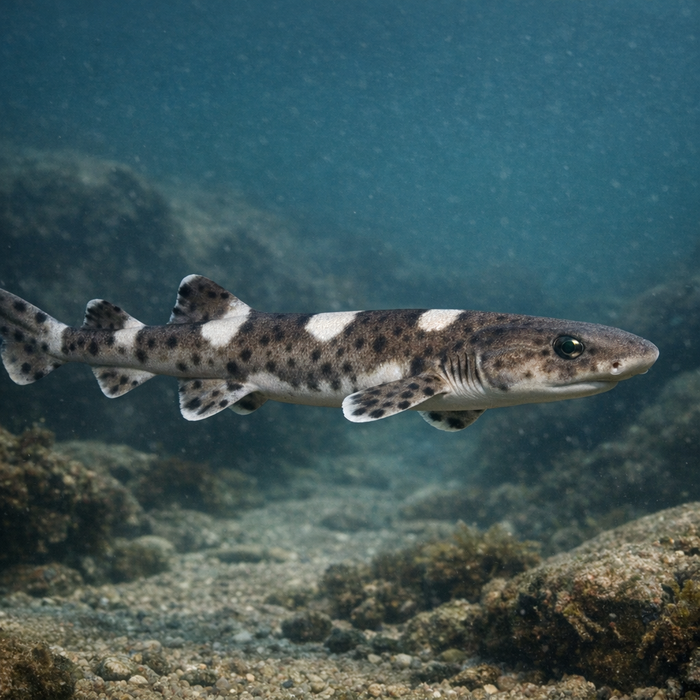
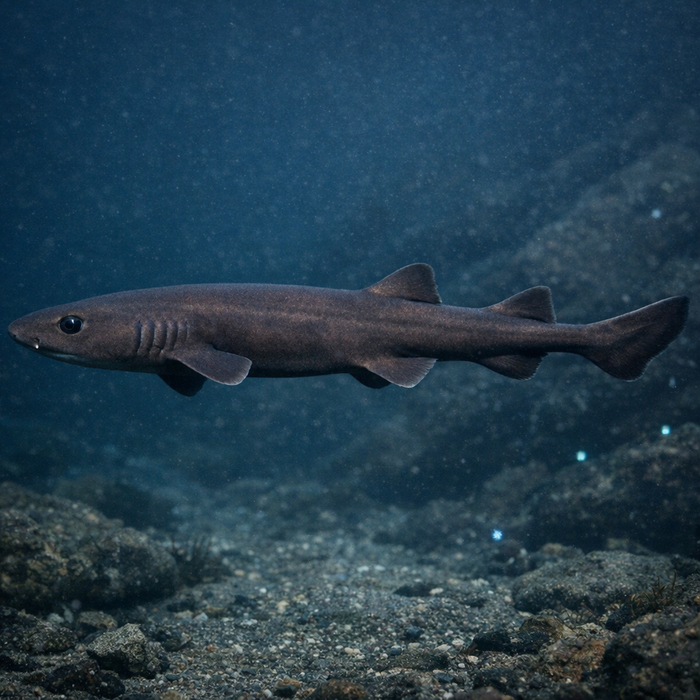
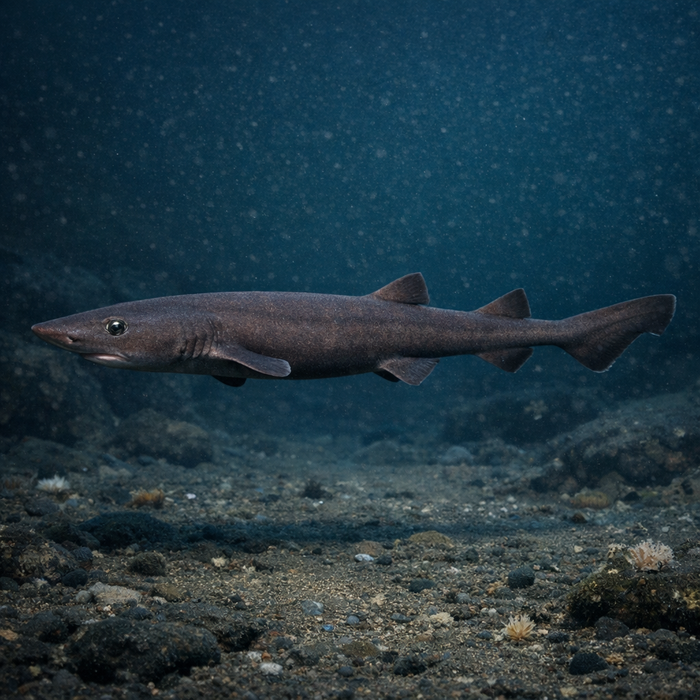
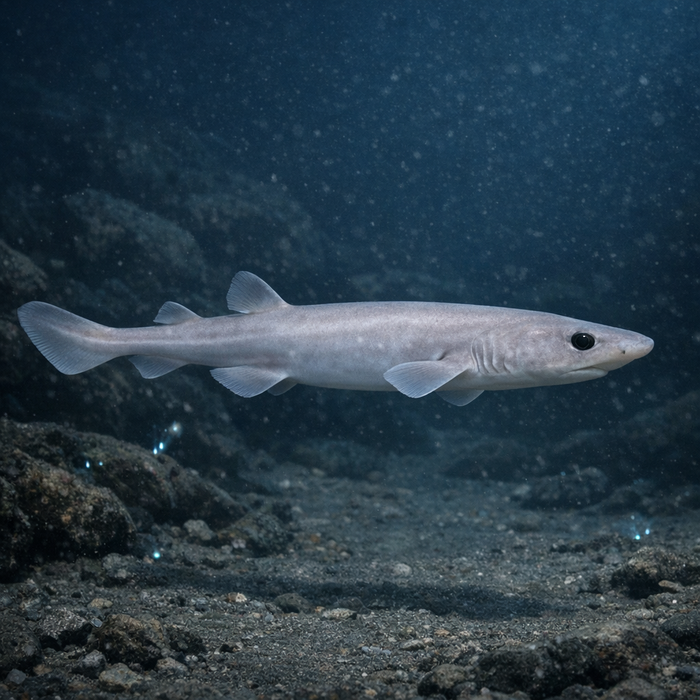
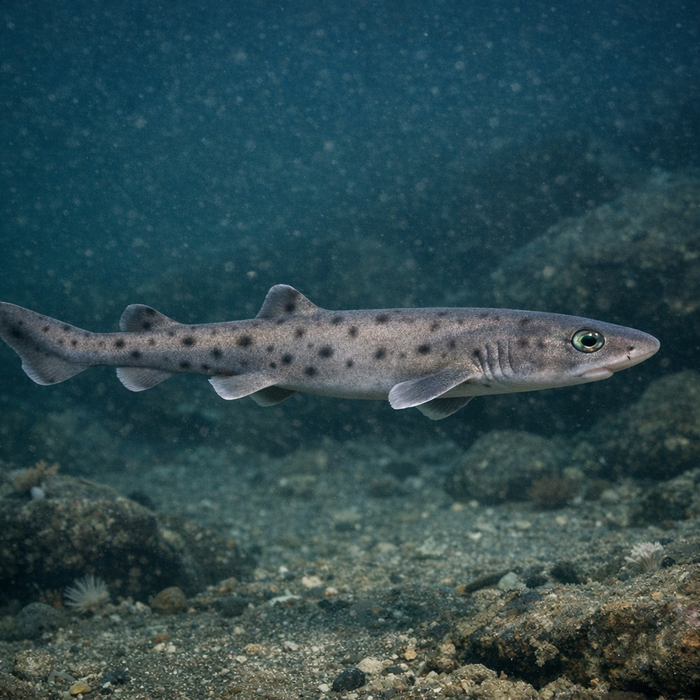
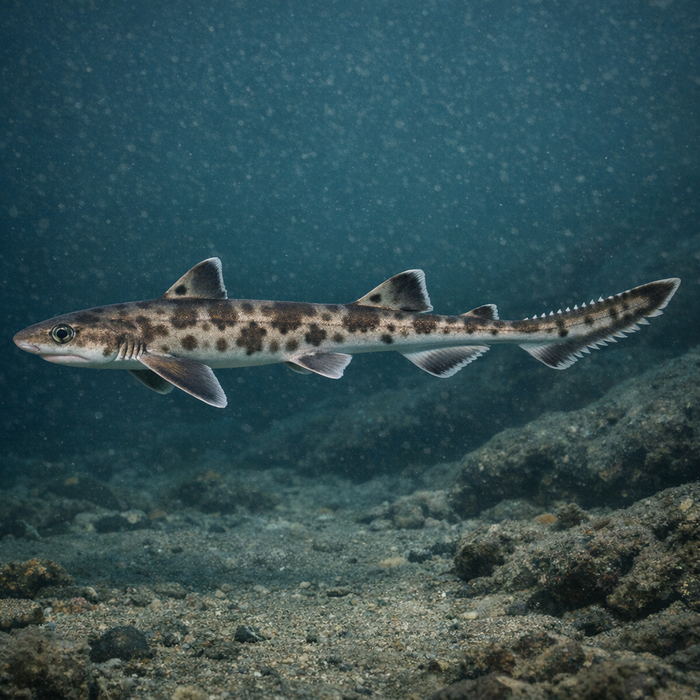
Boa catshark (Scyliorhinus boa): Snake-skin swagger from the deep slopeIntroductionMeet the boa catshark, the small, patterned shark that shows up where most weekend anglers never drop a line. It's a low-drama predator built for dim light and rough bottom, sporting a reticulated, snakeskin look that makes you do a double take. Hooking one is often a surprise bonus during deep drops for tilefish or wreck species, but it's a memorable bycatch all the same.What Makes the Boa catshark Unique?Two things: pattern and packaging. The boa catshark wears an unmistakable reticulated pattern that looks like it swiped a coat from a boa constrictor. That camouflage isn't just for style; it breaks up the outline as the fish threads between lava boulders, black corals, and sponge gardens. Second, it's an egg-layer. Instead of live pups, females hang tough little capsules with curly tendrils on structure, letting the deep, cold water handle the incubation. When handled, the fish often coils into a tidy loop, which fits the snake theme a little too perfectly.Habitat & Global RangeIf you're looking up Boa catshark habitat, think steep country. This species sticks to the continental slope, submarine canyons, and seamount shoulders in the eastern Atlantic, especially around Macaronesian archipelagos and the Northwest African margin. Depths run deep by sportfishing standards, with typical encounters several hundred meters down. The neighborhood is rugged: basalt outcrops, shell hash, sporadic coral frameworks, and current-washed ledges. It's a demersal operator, hugging bottom relief rather than cruising midwater.Behavior & TemperamentThe boa catshark is an ambush opportunist. It sniffs out scent trails, noses into cracks, and snaps at bite-sized packages of squid or small fish. Bites can be maddeningly tentative: a few taps, a short pull, then the commit. They don't sprint like tunas or beat you up like big hounds; the fight is mostly steady weight and a few headshakes. What they lack in brawn they make up in stealth, using pattern, posture, and the terrain to disappear when they're not feeding.Ecological ImportanceDeep-slope communities run on slow clocks, and the boa catshark slots into that middle tier nicely. It trims small fishes, cephalopods, and carrion, and in turn feeds larger sharks and slope predators. Those tough little egg cases, anchored to sponges or corals, become micro-habitats themselves, hosting hitchhiking invertebrates and adding texture to the bottom scene. Remove small predators like this and the deep slope gets out of tune fast.Conservation & Environmental PressuresData on this species is thin, and most encounters come from research trawls or incidental longline/handline bycatch. That means trends are hard to confirm. Still, deep trawling, unselective longlines, and the slow life pace of deep communities raise flags. Add creeping deoxygenation and warming layers, and the boa catshark's neighborhood isn't exactly trending upward. Marine protected areas around seamounts and canyon heads, plus smarter gear and handling, can help keep this oddball on the roster.The FishyAF TakeThe boa catshark won't smoke your drag or star in a hero-shot calendar, but it's a certified deep-nerd prize. You fish structure edges at silly depths, the rod nods, and suddenly you're staring at snakeskin on a shark. That's a story fish. Handle it gently, snap a clean photo, and send it back to its lava maze. If you're chasing boa catshark facts for bragging rights, here's one: not many anglers have even seen one. That's cool in our book.