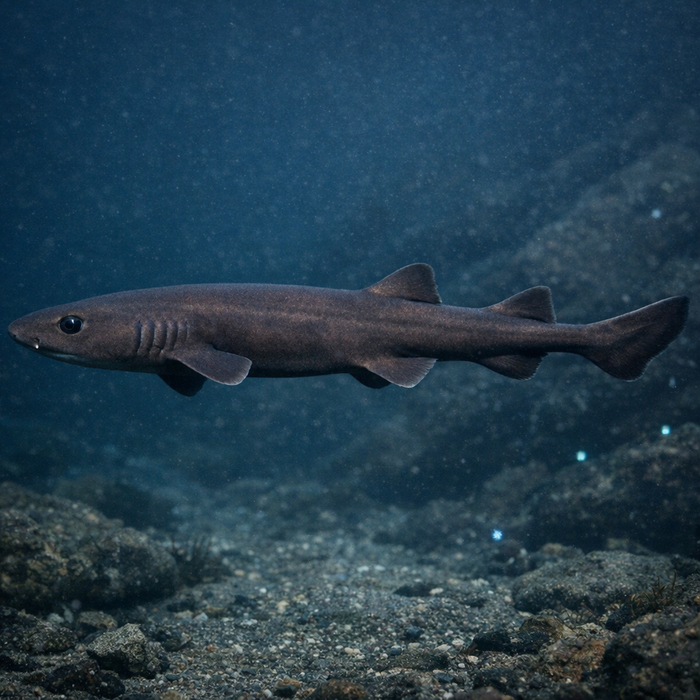
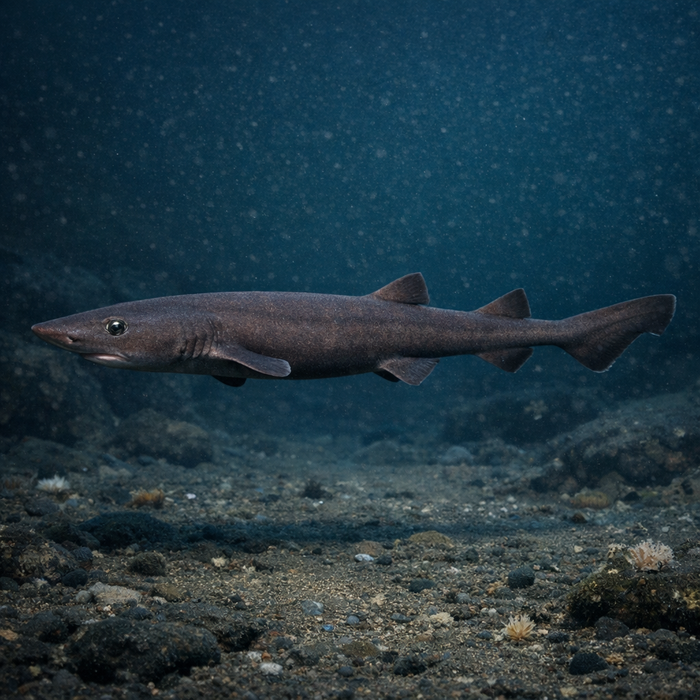
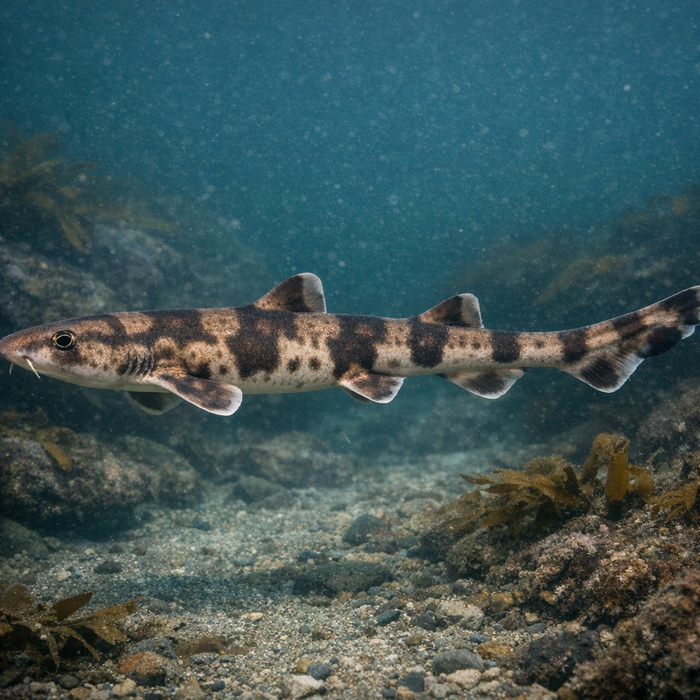
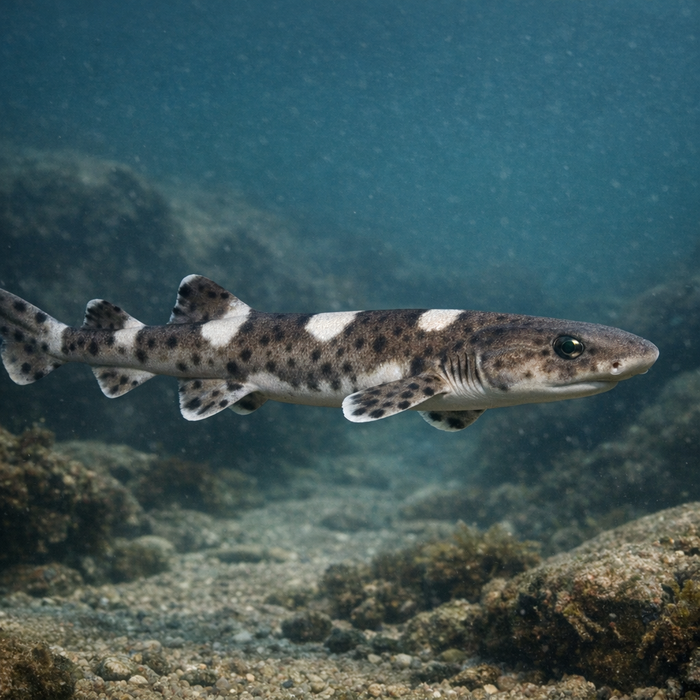
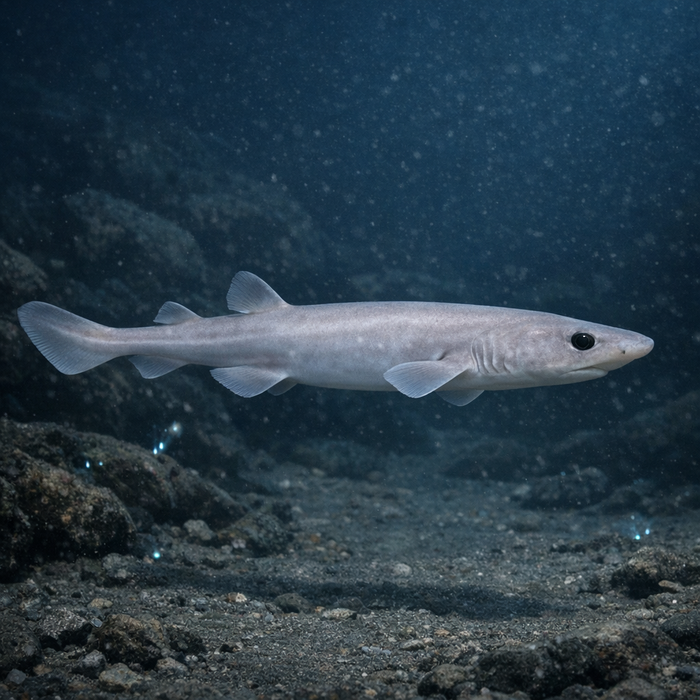
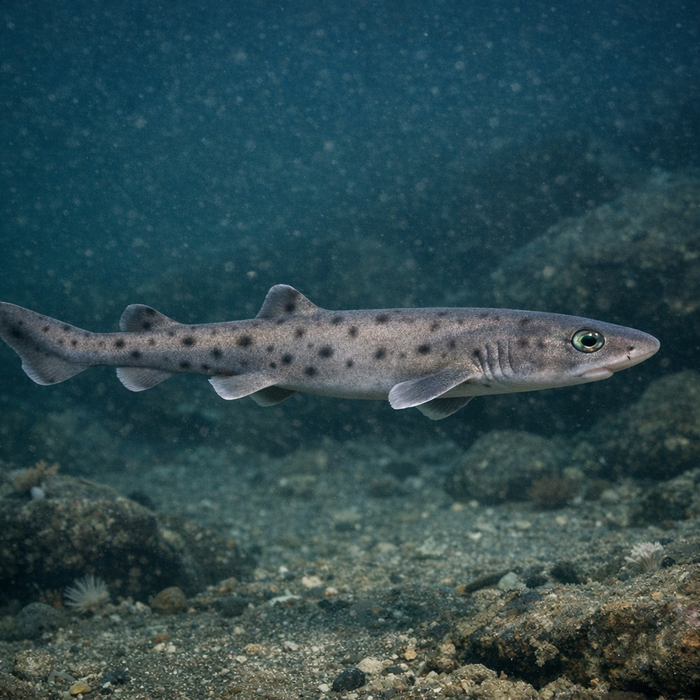
Longfin Sawtail Cat Shark (Galeus cadenati): A Bold, Memorable Hook LineIntroductionThe longfin sawtail cat shark is the kind of deep-slope oddball that makes hardcore bottom hounds grin. It's small, weird in the best way, and tougher than it looks. You won't see Instagram hero shots-this shark lives where sunlight fizzles out and sinkers get heavy-but for anglers who like rare stamps in their fish passport, the longfin sawtail cat shark is a quiet trophy.What Makes the Longfin sawtail cat shark Unique?First, that tail. The "sawtail" isn't a nickname for flair; it's a literal row of spiky denticles marching up the tail's top edge. Run a gloved finger against the grain and you'll feel a built-in rasp. Second, those fins. The longfin sawtail cat shark carries oversized pectorals that act like wings, letting it hover inches above the bottom with minimal effort. Finally, it's a catshark through and through-small, nocturnally inclined, and geared with multicusped teeth that pin down squids and tiny fishes without drama.Habitat & Global RangeWhen anglers talk longfin sawtail cat shark habitat, they mean the shelf edge and upper continental slope of West Africa. Think soft muds, sandy tongues, and the apron around canyon heads. It's a deepwater routine: 150 to 600 meters is the comfort zone, where currents whisper rather than roar and blue light goes gray. If you're plotting a mission, tight bathymetry lines and slope breaks are the search image. The longfin sawtail cat shark isn't a rock-clinger, but it does relate to subtle bottom texture, channels, and transition edges where food funnels past.Behavior & TemperamentThe longfin sawtail cat shark is not a brawler. Hook one and you'll feel tidy headshakes and steady, stubborn weight-more tugboat than torpedo. It forages low and slow, most active in dim windows, and doesn't love screaming current. While it can shuffle along alone, loose aggregations happen when food is steady. It's not spooky so much as cautious in the unlit world it patrols, relying on keen senses-big eyes, tuned lateral line, and that sandpaper skin-to read the bottom and stay fed.Ecological ImportanceDeep-slope ecosystems run on small, reliable predators, and the longfin sawtail cat shark fills that role. It trims populations of cephalopods and small demersal fishes, keeping the slow-motion food web tidy. In turn, larger sharks and opportunistic predators pick off the unwary. Its egg cases-those classic "mermaid's purses" with curling tendrils-hitch to nooks and rubble, spreading risk across the slope. It's not the star of the show, but it's one of the quiet stagehands that keep the curtain from falling.Conservation & Environmental PressuresThe longfin sawtail cat shark rarely headlines management plans, but it feels the same pressures as other deep dwellers: incidental capture in trawls and longlines, habitat scouring where bottom gear bites, and the general creep of warming waters reshuffling slope communities. Data can be thin. If you fish in regions where this shark lives, assume caution: handle gently, use circle hooks, and keep dehooking fast. It's a small-bodied shark with a slow lane lifestyle-treat it like a limited-edition model even if the paperwork hasn't caught up yet.The FishyAF TakeYou don't chase the longfin sawtail cat shark for glory. You chase it because your curiosity gene is broken in all the right ways. It's a deep, quiet, technical fish-more about reading contours and current than flexing biceps. The payoff is a shark that looks like it was designed by a meticulous carpenter: a rasping tail, clean fins, and a get-it-done attitude. If you collect experiences, not just species, pin the longfin sawtail cat shark on your map. It's a legit prize for anyone who can thread bait into the dark and keep the rig honest. Longfin sawtail cat shark facts aren't splashy, but on a boat deck at midnight, they feel very real. And that's our kind of fishing.