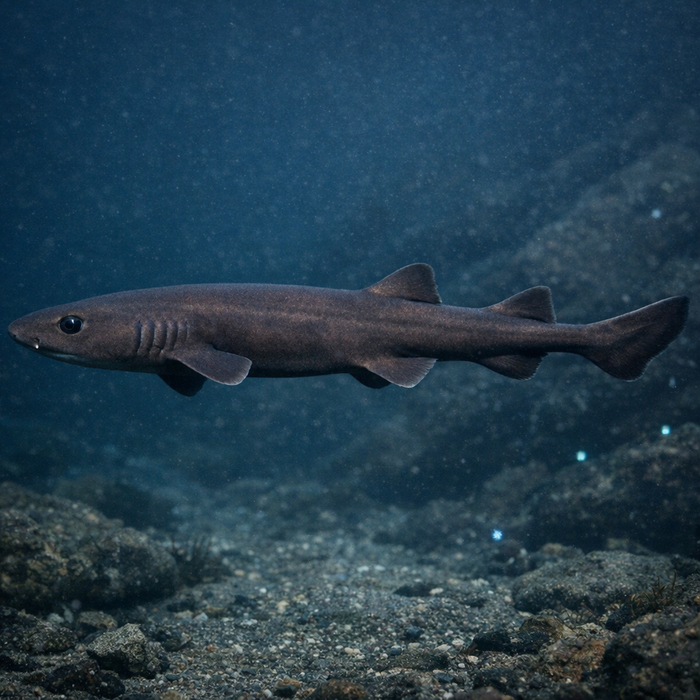
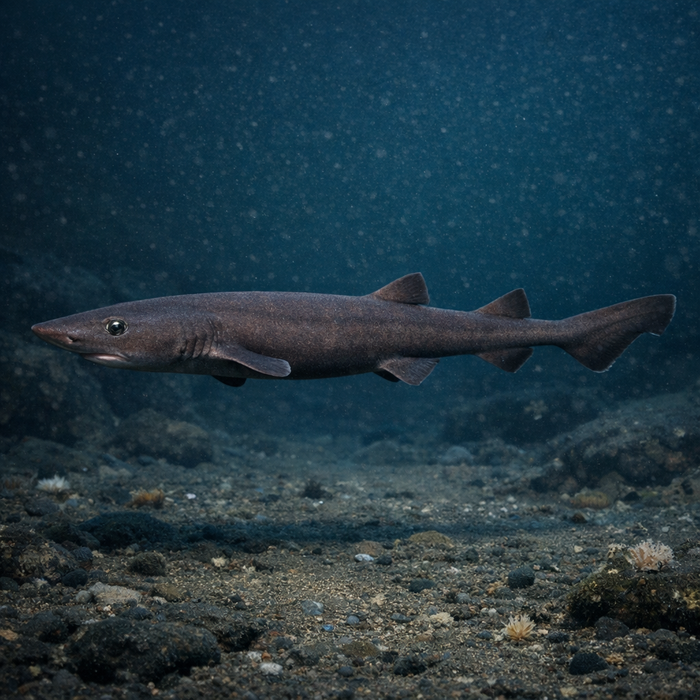
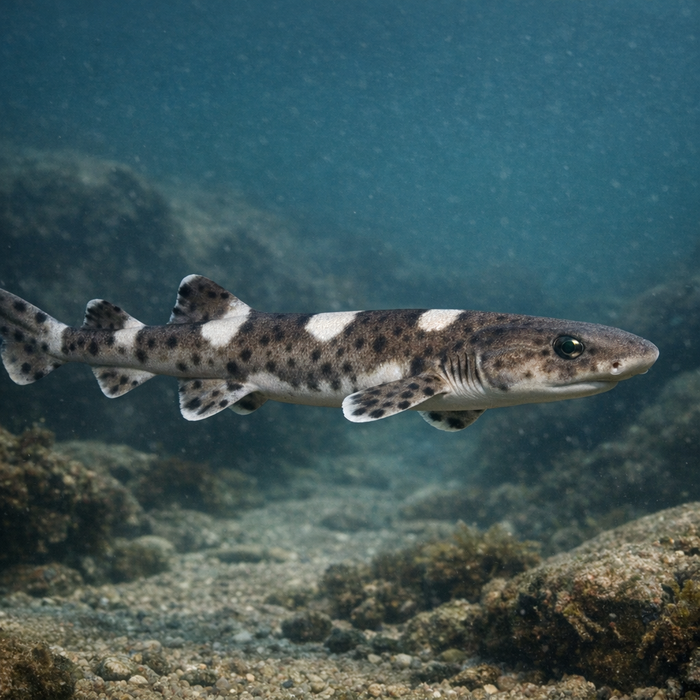
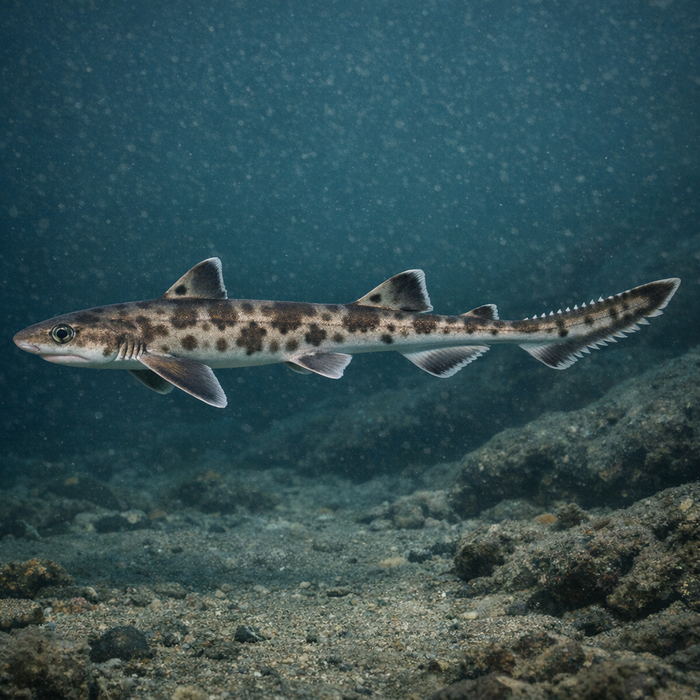
Panama Ghost Catshark (Apristurus stenseni): A stealthy deep-slope specialist that almost nobody hooks on purposeIntroductionThe Panama ghost catshark lives where sonar gets bored and sunlight gives up. It's a small, shadowy shark haunting the continental slope off Panama and neighboring coasts, a fish most anglers will only meet in photos, museum jars, or weird bycatch tales told over warm beer. If you crave rare catches and deep trivia, the Panama ghost catshark scratches that itch hard. These Panama ghost catshark facts and notes on Panama ghost catshark habitat will get you oriented before the lights go out.What Makes the Panama ghost catshark Unique?Two things: scale and stealth. First, scale. It's a small shark, usually under two feet, built with economy in mind. A big, oil-rich liver and streamlined body let it drift just above the mud without burning calories. Second, stealth. Those big eyes and sensitive electroreceptors tune into tiny signals hidden in the dark, letting it pick off life on the bottom with quiet precision. Apristurus species are notorious ID puzzles, and the Panama ghost catshark is no different: subtle fin shapes, snout length, and dermal denticle patterns matter. To most anglers, it's a ghost; to shark nerds, it's a taxonomic Rubik's Cube.Habitat & Global RangeThink bathyal real estate: the deep continental slope with soft sediment, low light, and not a lot of structure. The Panama ghost catshark cruises mud plains and gentle contours rather than flashy reefs. Its known range centers on the eastern tropical Pacific, with Panama as the namesake anchor. Depth is the defining deal. You're talking hundreds to over a thousand meters, a realm of lead, patience, and very few guarantees. Currents can be fickle and bottom composition matters; silty stretches and scattered invertebrate gardens are perfectly on brand for this shark. If someone says they caught one from the beach, smile politely and keep walking.Behavior & TemperamentThe Panama ghost catshark wastes nothing. It's more patient than aggressive, opportunistic rather than explosive. Picture a methodical drifter making small moves when the math checks out. It's largely solitary, not a schooling brawler, and it won't rocket to the surface or tailwalk for your camera. Hooked fish usually spin and dog the line, letting mass, depth, and pressure do the work. If you hook one during a deep drop, the "fight" is mostly about lifting water and sinker weight, not theatrics from the shark. Timing matters less than inshore tides; current breaks and subtle feeding windows tied to slope flow can bump your odds.Ecological ImportanceSmall deepwater sharks like the Panama ghost catshark keep the benthic food web humming. They trim populations of small fishes and invertebrates and turn detritus into shark biomass. Slow growth and low fecundity make them vulnerable to pressure, but those same traits mean they're steady players in a low-energy ecosystem. Their egg cases, anchored on sponges or corals, convert static habitat into nurseries. To a slope community, this shark is part janitor, part neighbor, and part menu for larger deep denizens.Conservation & Environmental PressuresData Deficient might as well be stamped across its forehead. The Panama ghost catshark isn't a commercial target, but it can ride up in deep trawls and longlines. Habitat damage from bottom-contact gear, seafloor mining prospects, and warming-driven oxygen changes are the quiet threats here. Without consistent survey data, managers fly half-blind. That's why clean photos, depth notes, and vouchered specimens from incidental catches actually matter. Every breadcrumb sharpens the picture and helps keep regulations flexible but protective.The FishyAF TakeFor most anglers, the Panama ghost catshark is a white whale you'll never see, and that's fine. If you absolutely must try, bring precision deep-drop gear, fresh squid strips, and a patience budget measured in hours and amperage. Treat any encounter like a rare book: document it, respect it, and put it back in the stacks if local rules allow. The cool factor isn't size or fight; it's that you reached into Earth's dim hallway and shook hands with a ghost. That's the kind of fishing story that actually gets better every time you tell it.