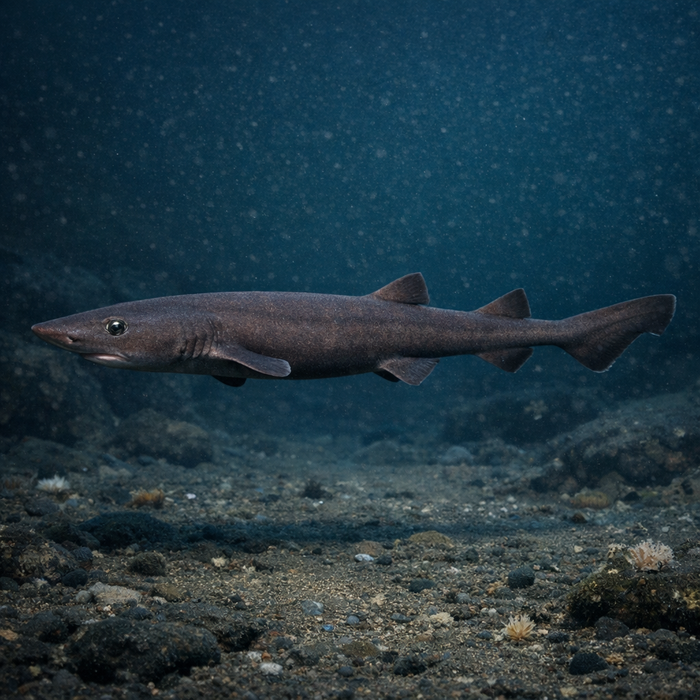
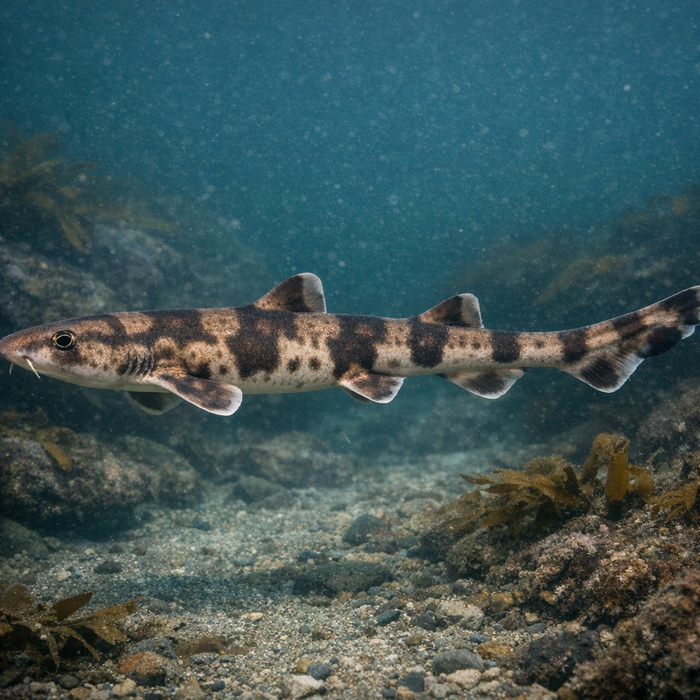
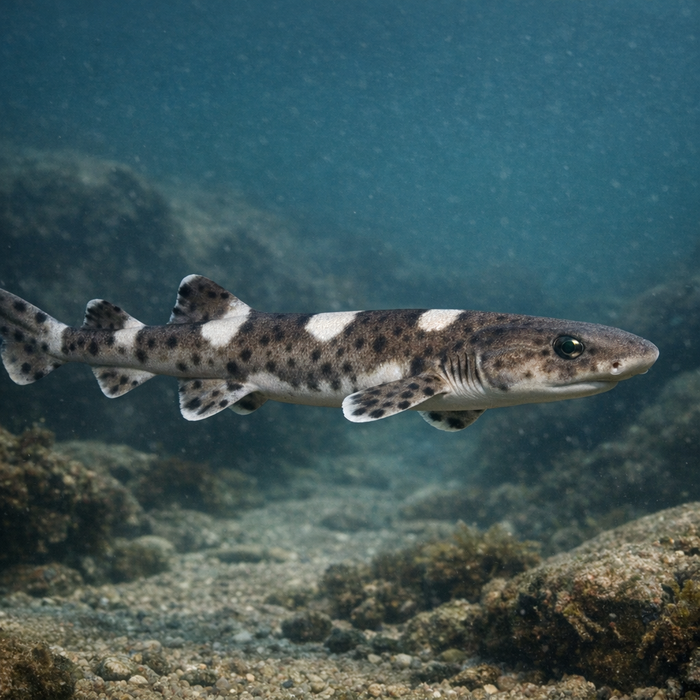
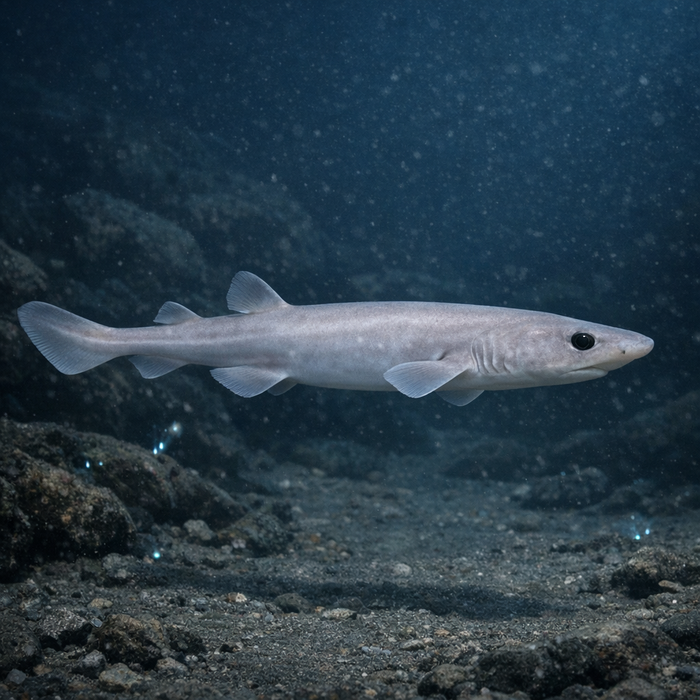
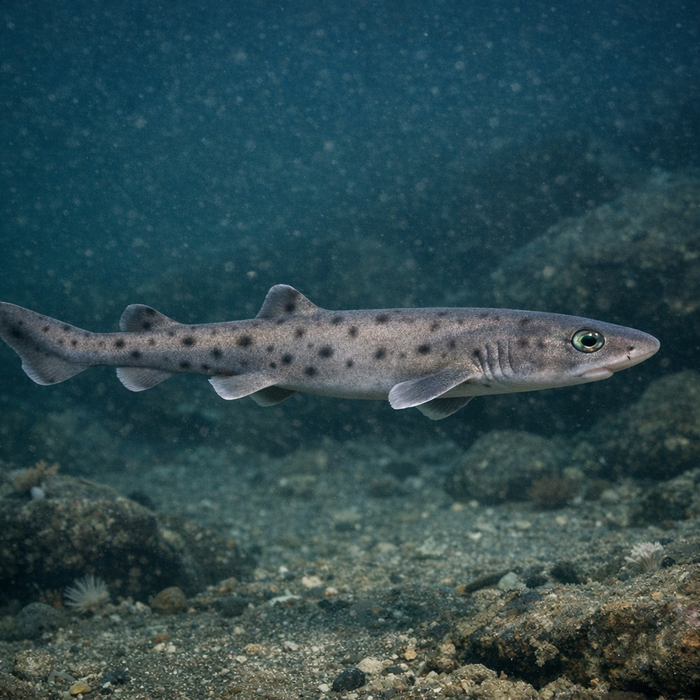
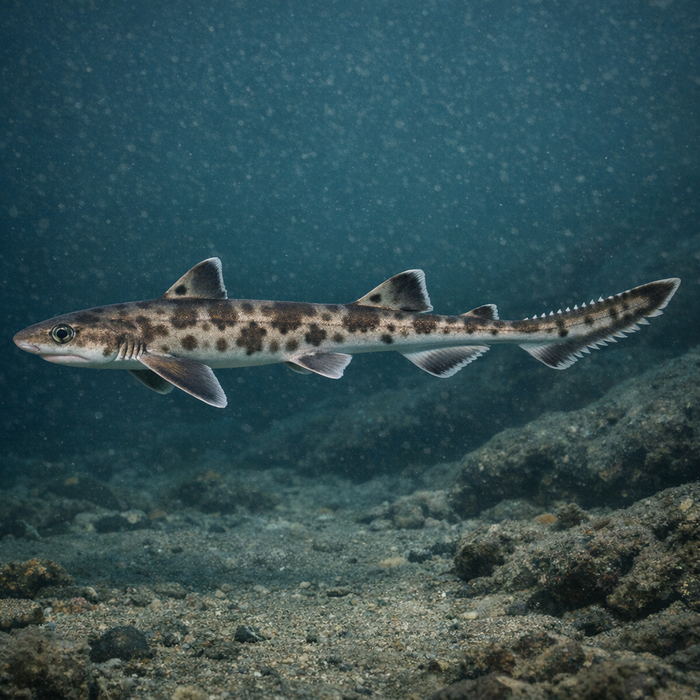
Broadgill Catshark (Apristurus riveri): A Bold, Memorable Hook LineIntroductionIf your idea of shark fishing is sunshine, surf, and screaming drags, the broadgill catshark missed that memo. This is the midnight shift on the continental slope: small, sneaky, and living where daylight quits. The broadgill catshark is catshark attitude packed into a snack-sized body that rides silt and shadow far below the party. You won't catch one by accident unless your "accidents" happen around canyon edges a thousand meters down.What Makes the Broadgill catshark Unique?Start with the namesake hardware. Those gill slits are conspicuously wide, stretching toward the pectoral bases and giving Apristurus riveri its trademark look. Add a long, softly pointed snout and velvety skin from fine denticles, and you've got a stealth build meant for slow cruising and ambush on a dark bottom. It's a small shark that matures at around 40 centimeters, topping out near 50, which means most adults are the size of a decent inshore trout. That compact profile helps it conserve energy in a place where meals are earned the hard way.Habitat & Global RangeBroadgill catshark habitat is deep, cold, and quiet. Think continental slope muds and silts, canyon shoulders, and gently broken ground where currents deliver edible bits to the bottom. The species is Western Atlantic centric, with strong records from the Northeast down through the Gulf of Mexico and into parts of the Caribbean. You're not glassing flats for this thing. If you want real broadgill catshark habitat, you're sounding along the 600 to 1,700 meter band and dropping baits into genuine darkness. It's a world of glow sticks, heavy sinkers, and faith.Behavior & TemperamentThe broadgill catshark is not a berserker. Expect cautious approaches, short inspections, and soft takes as it tastes and tests. Picture a conservative predator that favors efficiency over drama. It hunts close to bottom, working subtle relief and silt lines where crustaceans and bite-sized cephalopods shuffle through. Hooked fish offer steady head shakes with modest runs, the fight more about drag consistency and depth than brute power. Missed bites are common when hooks are too large or baits are stiff; this species appreciates smaller, supple offerings that move naturally in the current.Ecological ImportanceDeep slope sharks like the broadgill catshark are the quiet accountants of benthic food webs. They convert a constant rain of midwater life into predator currency, recycling energy in a zone where calories are rare and precious. Because they're small and numerous relative to larger deep-sea sharks, they link micro-prey to higher predators and help stabilize communities that humans barely see. For anglers and managers, they're also biological indicators. Changes in capture rates can hint at big shifts in deepwater ecosystems long before those shifts wash ashore.Conservation & Environmental PressuresData is thin, and that alone is a red flag. Many deepwater species hide behind the "Data Deficient" label, and the broadgill catshark is no exception. Bycatch from trawls and longlines can nick populations before anyone notices, and deepwater habitats recover at a glacial pace. Climate-driven changes to currents and oxygen levels can redraw the slope's map in slow motion, moving prey and predators like chess pieces. While the broadgill catshark isn't headlining endangered lists, prudence says treat it gently, document encounters, and resist the urge to stack photos of a species we don't fully understand.The FishyAF TakeIs the broadgill catshark a glory fish? Not in the Instagram sense. But it's the calling card of anglers who color outside the lines. It's a test of systems: boat handling over big water, electronics sharp enough to read canyon shoulders, rigs that survive a thousand meters down and back. Land one and you've scratched the deep end of the shark world, a place where patience beats power and subtle bites beat chest-thumping runs. If you're chasing Broadgill catshark facts, here's the best one: this little slope pirate is proof that serious fishing starts where the map fades. And if you're exploring Broadgill catshark habitat, come heavy, come tidy, and be ready for a fish that whispers instead of yells.