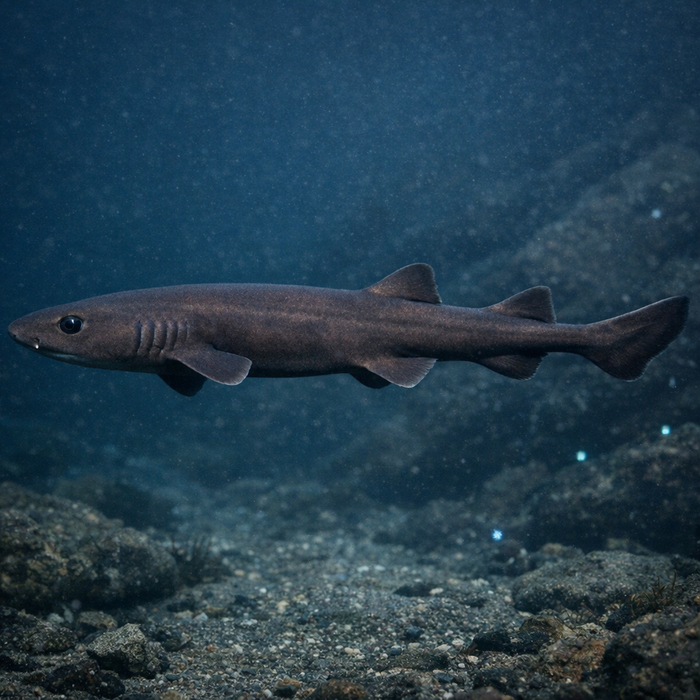
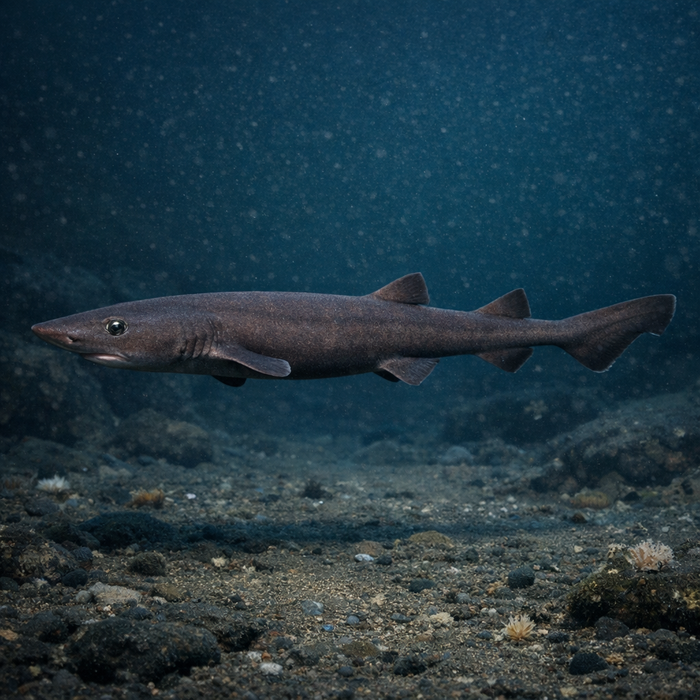
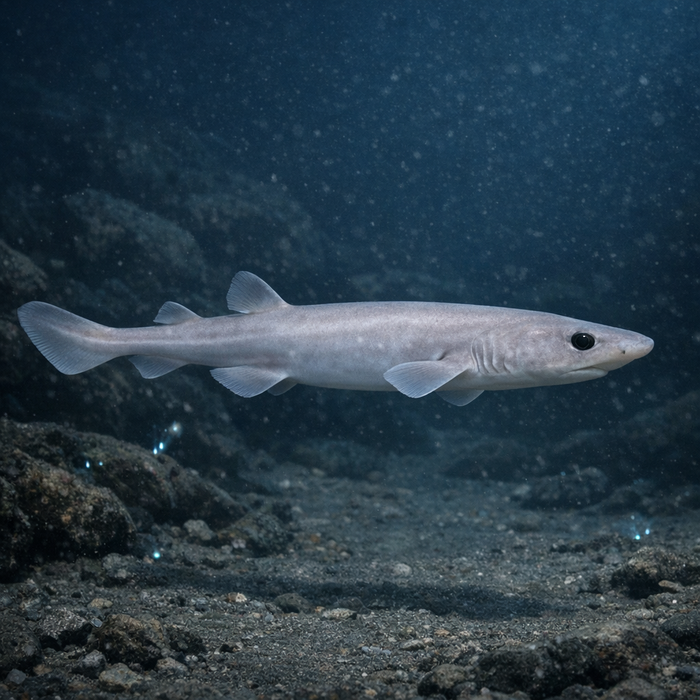
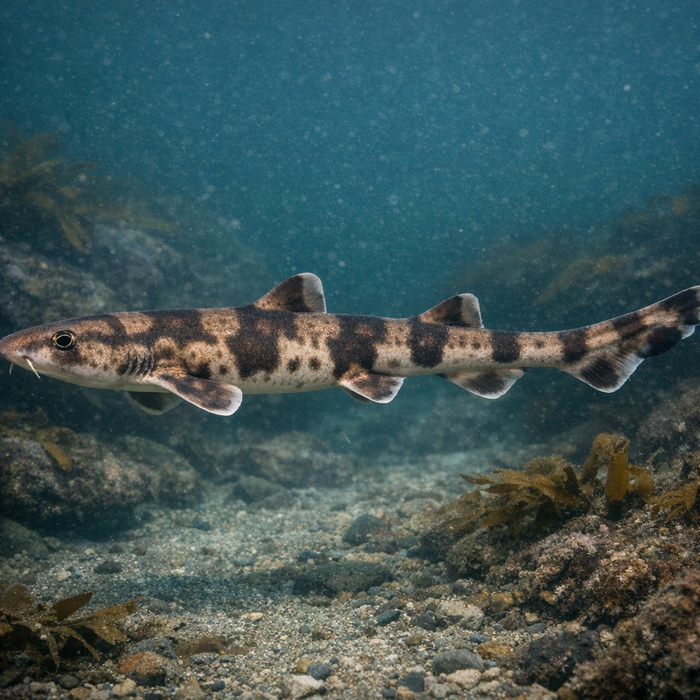
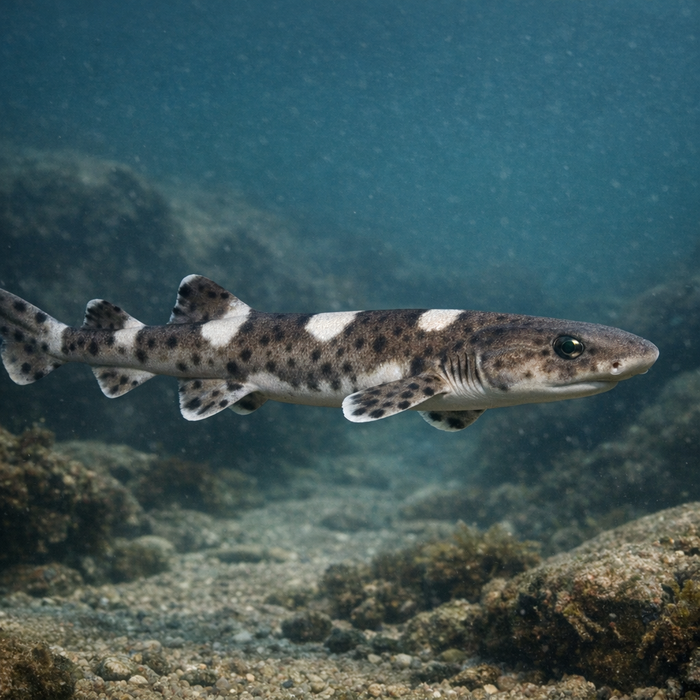
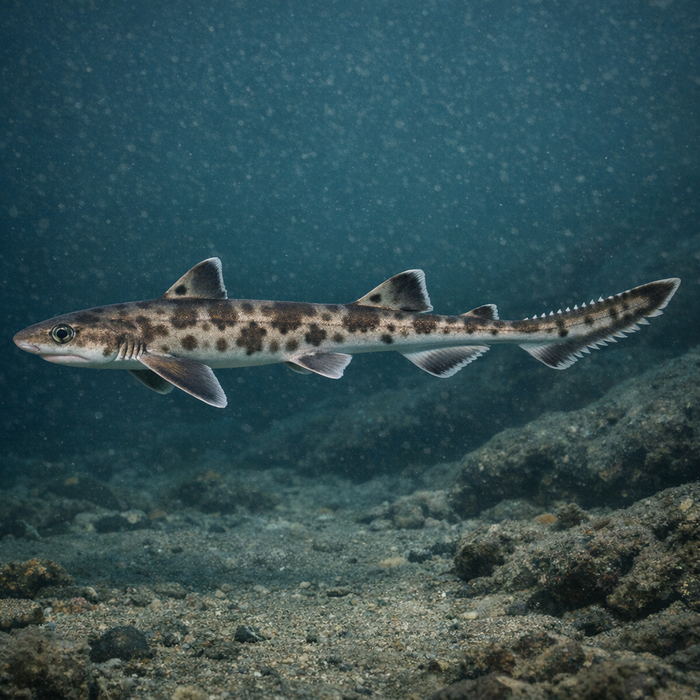
Smallfin Catshark (Apristurus parvipinnis): Deep-slope shark with tiny fins, big mysteryIntroductionThe smallfin catshark is the fish equivalent of a shadow-out of sight, quiet, and comfortable where daylight never reaches. If you like creatures that break the usual shark stereotypes, this little deepwater specialist delivers. It's compact, chocolate-brown, and built for a life on the continental slope. For anglers curious about Smallfin catshark facts or just wondering what lurks on the sounder at 1,500 feet, this one's a strange and fascinating customer.What Makes the Smallfin catshark Unique?Start with the name: parvipinnis means small-finned, and it's not kidding. The dorsal fins are tiny and set way back, almost like an afterthought near the tail. The body plan screams stealth over speed, built more for cruising soft-bottom flats in the dark than sprinting down tuna. It also lays tough, rectangular egg cases with long curly tendrils that anchor onto deep sponges and corals. Those eggs can take a year or more to hatch in the cold, low-oxygen world of the slope. For such a small shark, the smallfin catshark has an outsize weirdness score.Habitat & Global RangeThink deep. The smallfin catshark spends its time on mud and sand along the continental slope of the western Atlantic, including canyons off the Northeast and deeper edges of the Gulf. It favors that soft, rolling terrain where trawls and research sleds roam, consistently deeper than most recreational drops. If you're studying Smallfin catshark habitat, picture long, dusky corridors along canyon flanks, not coral peaks or bustling reefs. It's a bottom-hugger, sticking close to the seabed where invertebrates, small fishes, and squid parts gather.Behavior & TemperamentAggression is not this shark's brand. The smallfin catshark feeds like a patient scavenger-pouncer, picking easy meals where the current concentrates buffet scraps. It doesn't school tight, doesn't blitz the surface, and won't drag you around the boat. What it does do is patrol the bottom with low-key efficiency, moving between subtle depressions and soft ridges. Hook one and the fight is mostly deepweight with short jiggles. The challenge is logistics-finding them, holding bottom in heavy current, and identifying what you caught without mistaking it for another Apristurus.Ecological ImportanceDeep-slope sharks like the smallfin catshark fill a quiet but crucial niche. They convert the ocean's drifted leftovers-falling squid bits, crustaceans, and small fishes-into shark biomass, keeping nutrient cycles humming far below the photic zone. They're also part of the food chain for larger deepwater predators. Because they lay tough egg cases on benthic structures, they rely on a stable bottom community that includes sponges and cold-water corals. Disrupt that habitat, and you cut nursery space for the next generation.Conservation & Environmental PressuresData on the smallfin catshark is thin, which is typical for deepwater species. Trawling pressure, lost gear, and seafloor disturbances can damage egg-case attachment sites and alter soft-bottom microhabitats. Slow development and low productivity magnify impacts. Even if no one targets them directly, they're vulnerable to what happens on the slope. More research would help, but for now, caution is warranted when you're fishing deep and heavy in their backyard.The FishyAF TakeThe smallfin catshark is not a glory fish. It's a deep-cut species for anglers who like a good mystery and a clean data log. If you're chasing a checkmark, it's about planning, patience, and a boat that can deep-drop where most folks don't bother. Catch one and you've sampled a weird, wonderful corner of the ocean. Release it in good shape and you've done your part for a species that survives by staying unnoticed. Sometimes the coolest shark on the boat barely clears two pounds and never leaves the mud.