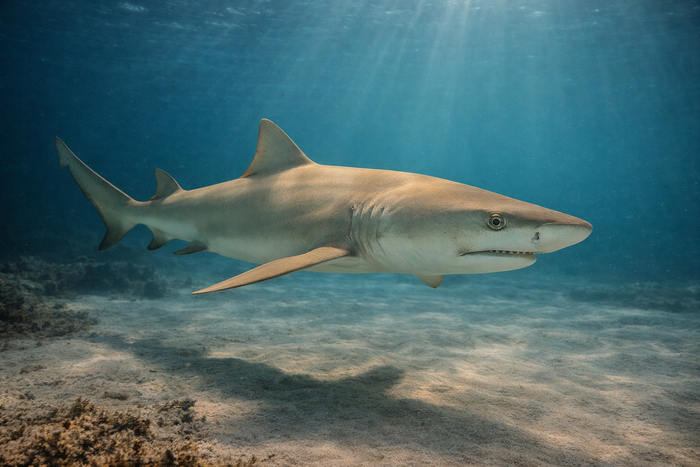
Scalloped Hammerhead (Sphyrna lewini): The Shark That Redefined the Shape of Fear
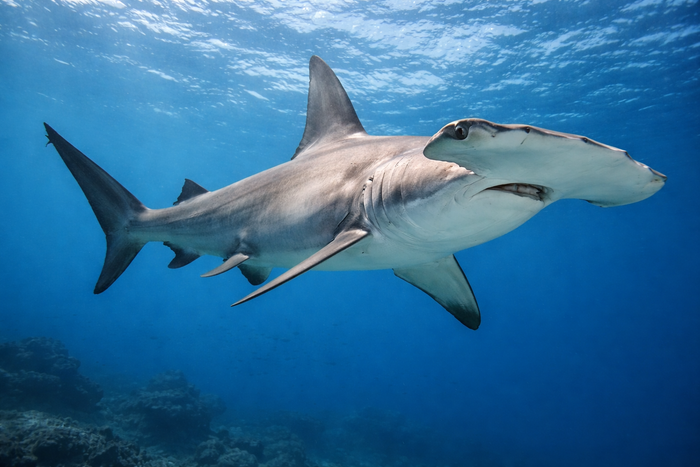
The scalloped hammerhead is one of the ocean’s most instantly recognizable predators. With its wide, hammer-shaped head edged in distinct scallops, this shark is a master of both form and function. It’s not just a cool-looking fish; it’s a species packed with evolutionary quirks and ecological significance. If you want to know what makes the scalloped hammerhead a standout in the shark world, you’re in the right place.
What Makes the Scalloped Hammerhead Unique?
The defining feature of the scalloped hammerhead is its cephalofoil—the hammer-shaped head with a central indentation and scalloped edges. This isn’t just for show. The wide head improves sensory perception, giving the shark a 360-degree view and enhancing its ability to detect electrical signals from prey. The scalloped edges may help with hydrodynamics, allowing for sharper turns and better maneuverability in the water.
Unlike many sharks, scalloped hammerheads are highly social. They form large schools during the day, sometimes numbering in the hundreds, which is unusual behavior for a predator of their size. This schooling may provide protection from larger predators and improve hunting efficiency.
Habitat & Global Range
Scalloped hammerheads have a broad but specific habitat preference. They’re found in warm temperate and tropical waters worldwide, mostly along continental shelves and island slopes. Their range spans the Atlantic, Pacific, and Indian Oceans, from coastal areas to deep offshore waters.
These sharks prefer coastal habitats like coral reefs, seamounts, and continental shelves but are also known to venture into open ocean environments. Juveniles often stick to shallow nursery grounds, while adults roam deeper waters. The scalloped hammerhead’s habitat is a mix of shallow coastal zones and deeper offshore areas, reflecting their adaptability and complex life cycle.
Behavior & Temperament
Scalloped hammerheads are curious but cautious. Their schooling behavior during daylight hours contrasts with their more solitary nighttime hunting. They feed primarily on fish, squid, and crustaceans, using their enhanced sensory capabilities to detect prey buried in the sand or hiding in crevices.
Despite their intimidating appearance, scalloped hammerheads are not aggressive toward humans. Encounters are rare, and attacks even rarer. Their social nature and schooling behavior suggest a species that relies on numbers for safety rather than brute force.
Ecological Importance
As mid-level predators, scalloped hammerheads play a crucial role in maintaining the balance of marine ecosystems. They help control populations of smaller fish and invertebrates, preventing any one species from dominating and disrupting the food web.
Their presence indicates healthy reef and coastal environments. Because they rely on diverse habitats throughout their life stages, their health reflects the overall condition of marine ecosystems. Losing scalloped hammerheads could trigger cascading effects, destabilizing the delicate balance of ocean life.
Conservation & Environmental Pressures
Scalloped hammerheads are under serious threat. Overfishing, both targeted and bycatch, has decimated populations worldwide. Their fins are highly prized in the shark fin trade, driving illegal and unsustainable fishing practices.
Habitat degradation, including coral reef destruction and coastal development, further pressures their populations. Because they mature slowly and have relatively low reproductive rates, recovery is slow once numbers decline.
International protections exist, but enforcement is patchy. Without stronger conservation measures, scalloped hammerheads face a grim future. Their decline is a warning sign for ocean health and biodiversity.
The FishyAF Take
The scalloped hammerhead is a shark that demands respect—not just for its iconic look but for its ecological role and the challenges it faces. It’s a species that embodies the complexity of marine life: evolved for efficiency, social in nature, and vulnerable to human impact.
If you care about ocean conservation, understanding scalloped hammerhead facts and their habitat is crucial. Protecting them means protecting entire marine ecosystems. This shark isn’t just a predator; it’s a barometer for the health of our seas. Losing it would be a loss we can’t afford.