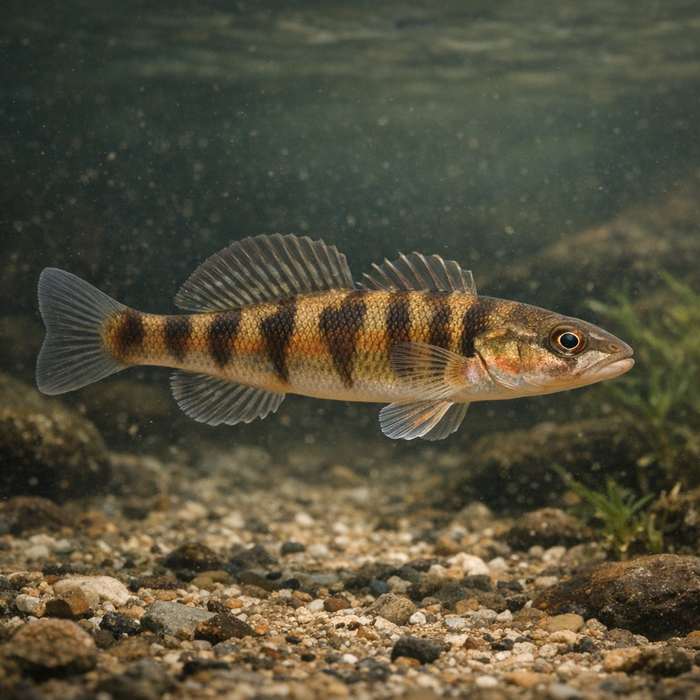
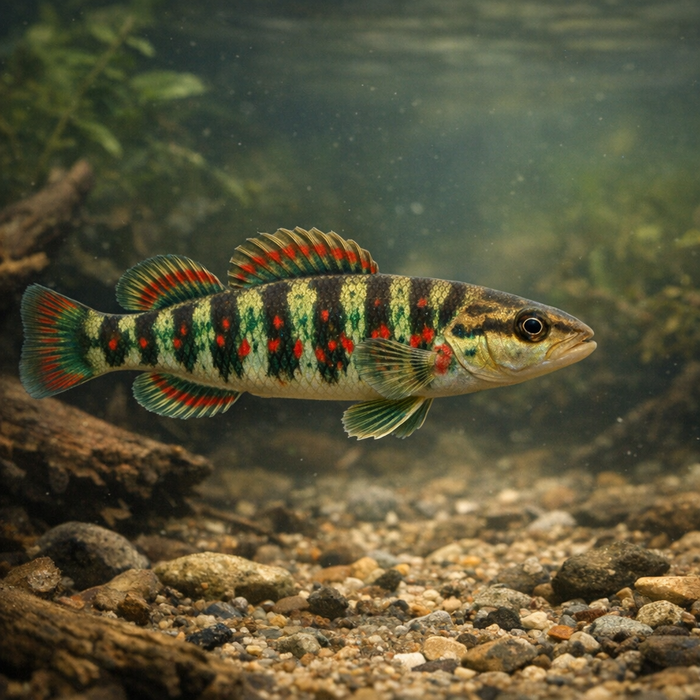
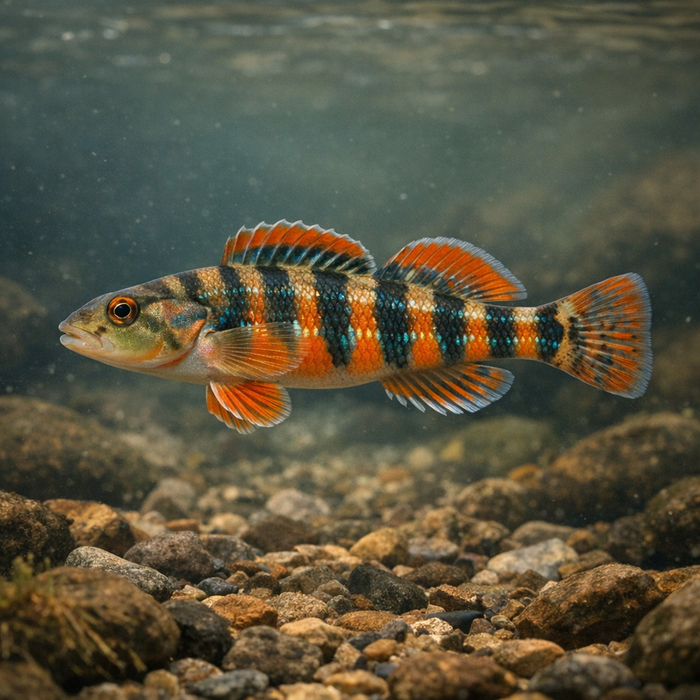
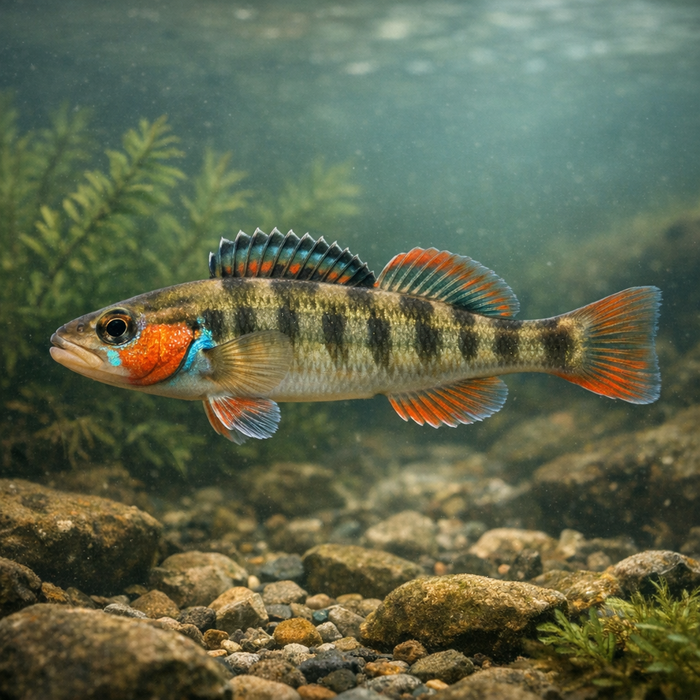
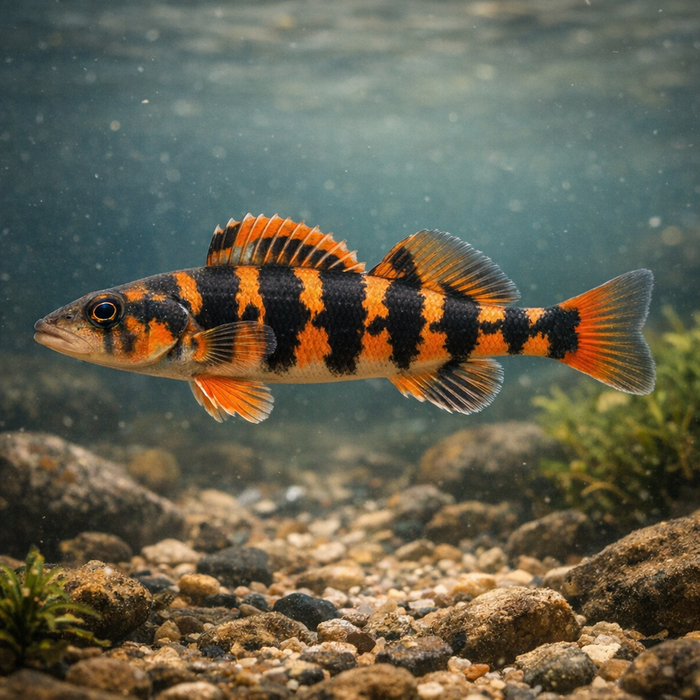
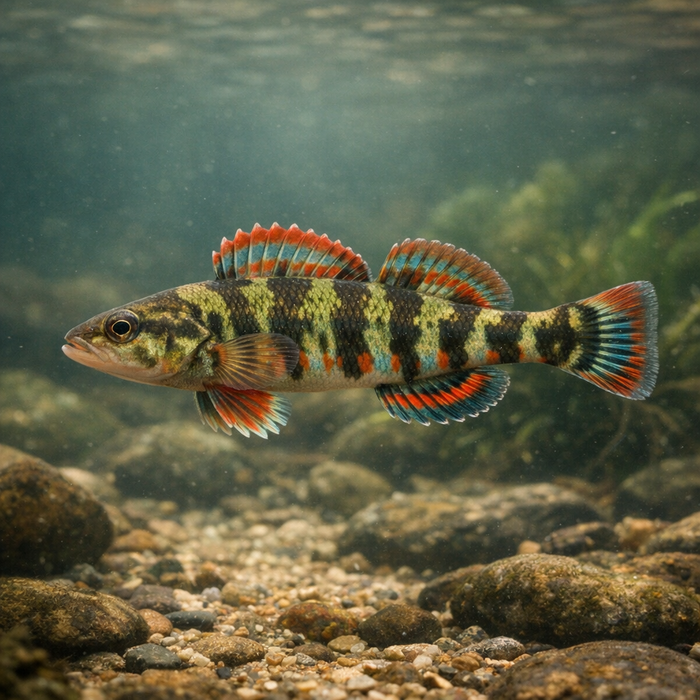
Sipsey Fork Darter (Etheostoma michellae): Pocket-Sized Current Addict With AttitudeIntroductionThe Sipsey fork darter is the tiny trash talker of fast Alabama water. It's not big, it's not flashy to most anglers, and it definitely won't spool you. But the little bruiser owns the riffles, clinging to boulders where heavier fish get shoved. For microfishing diehards and creek wanderers, the Sipsey fork darter is a stealth trophy that rewards patience, precision, and a steady hand.What Makes the Sipsey fork darter Unique?First, the build. This fish is a purpose-built current rider, with wide pectorals that act like sticky paddles and a low-slung body that hugs rock. That design means it can park in pushy water and pounce on drifting morsels without burning out. Second, its short life and fast turnover keep populations nimble. Most individuals top out around 2 to 3 inches, but the attitude is outsized, especially when males flare breeding colors in spring. Third, the Sipsey fork darter is the definition of local character. It's a hyper-specific stream specialist, tied to cool, clear flows that make every encounter feel earned.Habitat & Global RangeLet's keep it simple: the Sipsey fork darter is a riffle loyalist. Think clear, cool streams with cobble and gravel, knee-deep runs, boulder breaks, and pocket water that churns and fizzes. It thrives where oxygen is high and silt is low, so a flashy flood followed by clearing flows can set the table. The sipsey fork darter habitat is tight and technical, with micro-current seams and polished stones that turn every step into a wade of strategy. You won't need a boat, but you will need good footing and a careful approach.Behavior & TemperamentThis fish doesn't cruise like a minnow. It hop-walks. Short darts, then a dead stop on rock, head angled into the push like a tiny linebacker. It feeds close to bottom on drifting invertebrates and will reposition inch by inch to intercept the good stuff. When spooked, it slides under a stone and becomes part of the streambed. A Sipsey fork darter won't give you a screaming drag, but coaxing one to the hook is a small miracle of presentation. Sight fishing matters, and so does reading the cobble like a map.Ecological ImportanceThe Sipsey fork darter is a riffle report card. Its presence hints at cold, clean water, stable substrates, and healthy insect life. Lose the gravel to silt or choke the run with algae and this fish checks out fast. In that way, the species becomes a stream manager's friend: if the darters thrive, the system's in decent shape. They also plug into the food web as invertebrate samplers, moving nutrients from bugs into the fish community and back again.Conservation & Environmental PressuresFine sediments and flow flashes are the bullies here. Poor land use, unstable banks, and heavy runoff bury gravel in goo and turn crisp riffles into sleepy soup. Warm water and low oxygen act like a slow squeeze. The narrow footprint of the Sipsey fork darter means there's not much margin for error. Even if populations are stable locally, the wrong storm of silt, heat, and habitat fragmentation can hurt quickly. Practical fixes look boring but work: keep buffers intact, manage crossings, and protect the riffle habitat that keeps this fish anchored.The FishyAF TakeThe Sipsey fork darter is the creek's gatekeeper. You don't strong-arm it; you earn it. Show up with finesse, tiny hooks, and patience, and you'll get a front-row seat to how a stream really works. Miss the details, and you'll swear the creek is empty. For anglers who appreciate small water and smaller targets, the Sipsey fork darter delivers big-time satisfaction. If you wanted splashy hero shots, pick another species. If you want bragging rights measured in inches and skill, add the Sipsey fork darter to your hit list and enjoy the ride. For more Sipsey fork darter facts and Sipsey fork darter habitat insights, keep your knees wet and your eyes on the riffles.