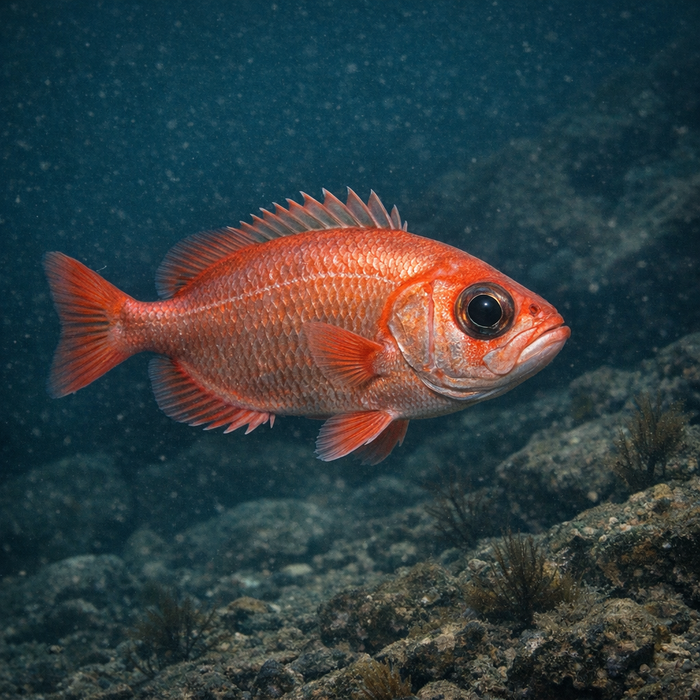
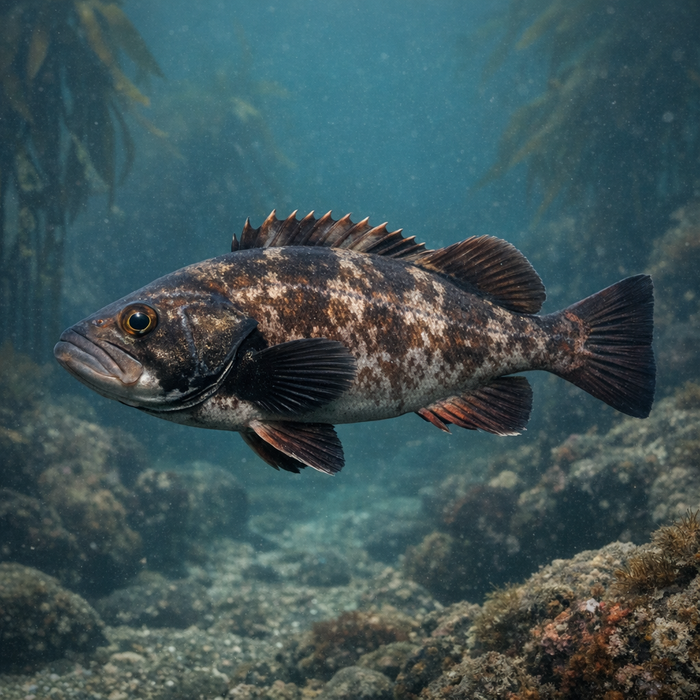
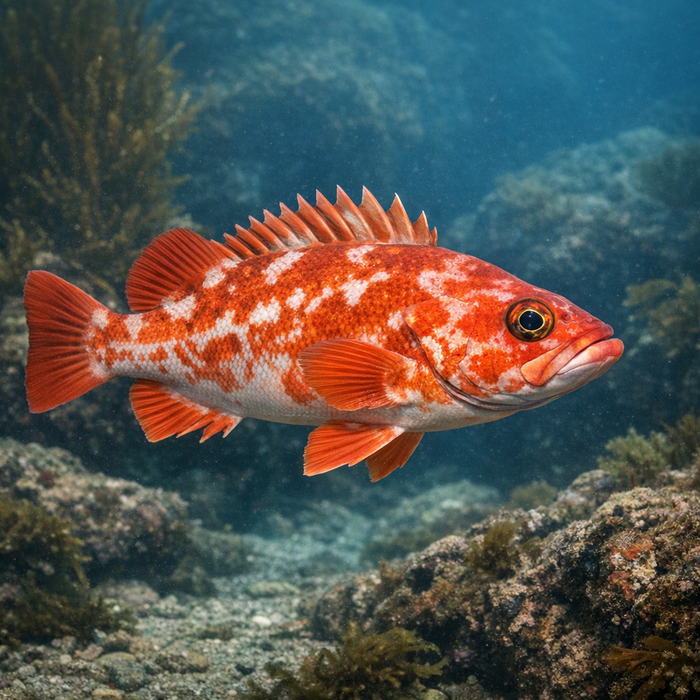
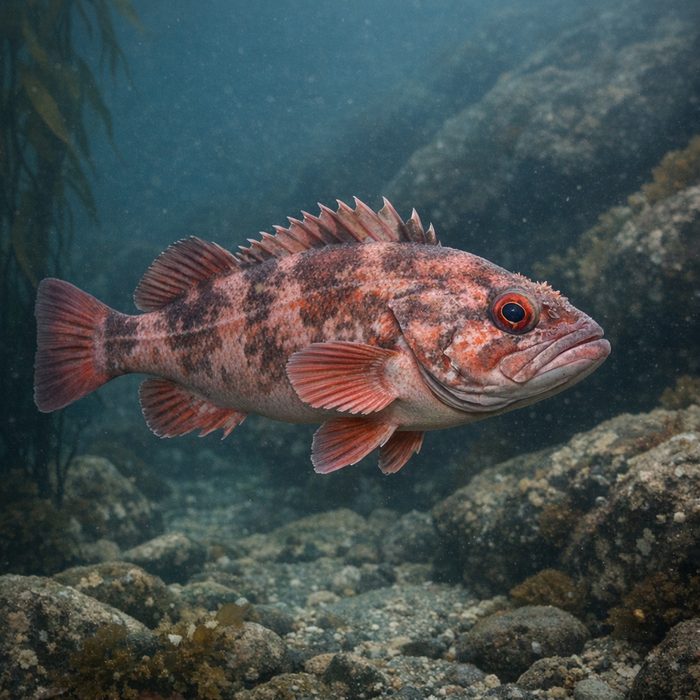
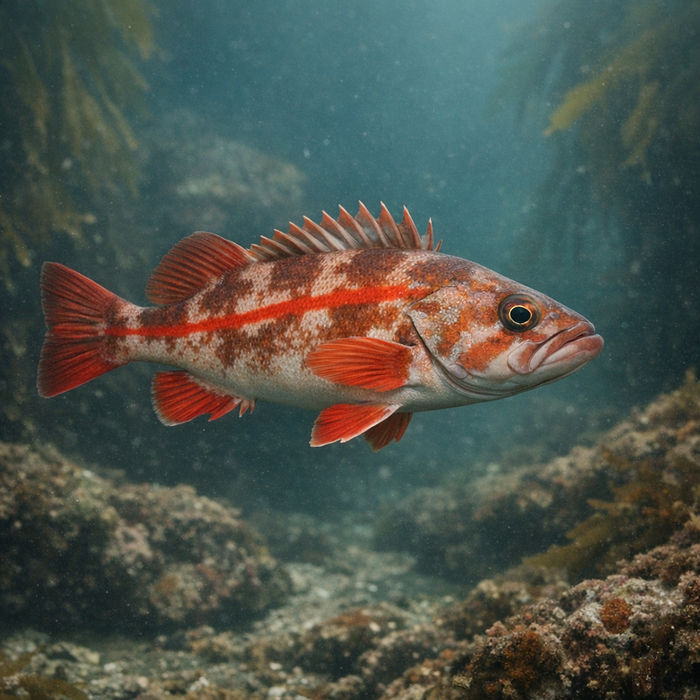
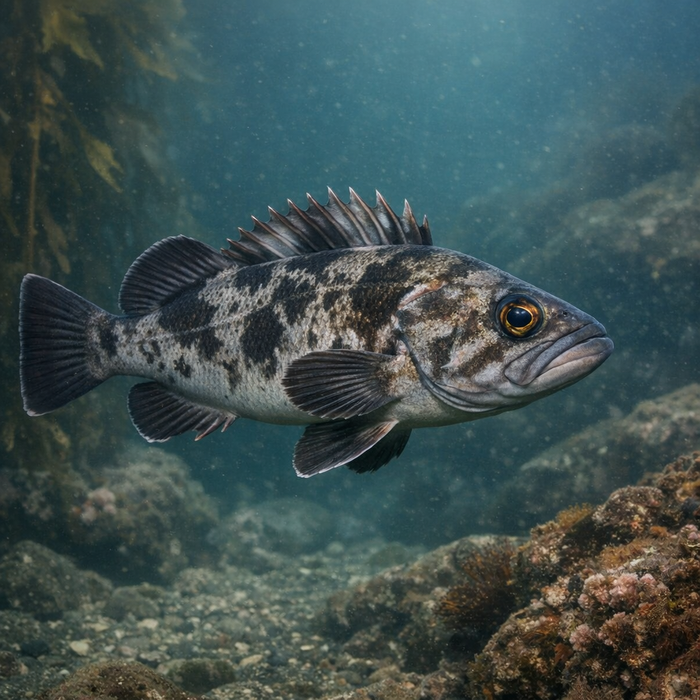
Slimy Head (Hoplostethus mento): A Bold, Memorable Hook LineIntroductionThe slimy head is the little deep-sea bruiser you didn't know you wanted to meet. It's coppery, spiky, and armed with saucer eyes made for the twilight zone. You won't cast to this one from a pier; you drop way down the canyon wall and bring up a chunky roughy cousin that looks like it's wearing medieval armor. If you're chasing obscure bottom dwellers, add the slimy head to your list, then bring extra lead.What Makes the Slimy head Unique?Start with the noggin. The slimy head's thick, interlocking skull plates and mucus-lined head canals give it both the name and the vibe: armored and glossy. Those huge eyes aren't just for show either; they gulp what little light seeps past hundreds of feet of water. Add in rasping, ctenoid scales that feel like sandpaper and stout dorsal spines, and you've got a compact fish that survives life along jagged slopes where everything scrapes or bites. This is a true structure specialist, built to hover in current and pounce when the buffet drifts by. If you were hunting for slimy head facts that actually explain the fish, that's the shortlist.Habitat & Global RangeSlimy head habitat starts where daylight fades. Think steep continental slopes, submarine canyons, rocky pinnacles, and hard breaks well offshore. They hold near the bottom and along vertical faces, sometimes stacking in loose lines rather than tight balls. You'll encounter them on the Pacific side, especially off the West Coast and Alaska, in that 300- to 1,000-foot neighborhood where gear and patience both get tested. Current is life out there. When water moves across structure, it's dinner time; when it slackens, fish tuck in and rest.Behavior & TemperamentThe slimy head isn't a sprinter; it's a sit-and-surge hunter. They use those big eyes and lateral-line canals to key on small fish and invertebrates pushed by current. Aggression is moderate, but the take is honest. No blistering runs await you, just a determined, thumpy pull that gets heavier with depth and lead. They often hold in layers along a wall, and once you mark one, more may be stacked above or below. Don't expect surface theatrics. Expect a stoic, deep-bodied lift that surprises you once the copper flashes under the lights.Ecological ImportanceDeep-slope communities are built on slow energy and structure. The slimy head is one of the working parts, recycling midwater life into bottom biomass and handing some of that energy up the chain to larger predators. Their armored build and spines reduce predation, but not completely. They also clue anglers into current and bait: when slimy head are active, you're in the right neighborhood for a bigger mixed-bag bite.Conservation & Environmental PressuresHoplostethus mento isn't a poster child like orange roughy, but it shares the deepwater vulnerabilities: slow growth, specific habitat, and low resilience to heavy harvest. Most recreational pressure is light, but deepwater trawls and generic "roughy" landings can mix species and muddle data. Barotrauma is a reality on retrieval; released fish don't always make it back down. Responsible deep droppers keep only what they'll eat, avoid hammering small aggregations, and respect closures meant to protect slope habitats. Formal status is often Not Evaluated regionally, but treating deep-slope fish as finite is just smart.The FishyAF TakeThe slimy head is the blue-collar weirdo of the canyon edge: compact, armored, and unapologetically deep. It won't smoke your drag or photobomb your topwater dreams. But if you're into the grind of dropping heavy metal into black water and reading your sounder like scripture, this fish is a badge of honor. Dial your drift, hit the face, feel the thump, and hoist up a copper tank from the dark. Slimy head habitat demands commitment. Get that right and you'll collect one of the ocean's cooler oddballs without needing a trophy crew. Consider this your invite to the trench club.