Smallmouth Yellowfish (Labeobarbus aeneus): Small Mouth, Serious Current, Very Little Respect for Your Drag
A golden flank flashes behind a rock. Your nymph slows, the line tightens, and suddenly that quiet feeding lane becomes a tackle inspection. Smallmouth Yellowfish deliver the kind of freshwater fishing that makes presentation matter and a decent reel feel like money well spent. They belong to the carp family, but forget any assumption that this means a slow afternoon. These are sporting fish with a serious following among southern African fly anglers. Their appeal combines accessible river fishing, technical feeding situations, and enough power to punish casual preparation.
What Makes the Smallmouth Yellowfish Unique?
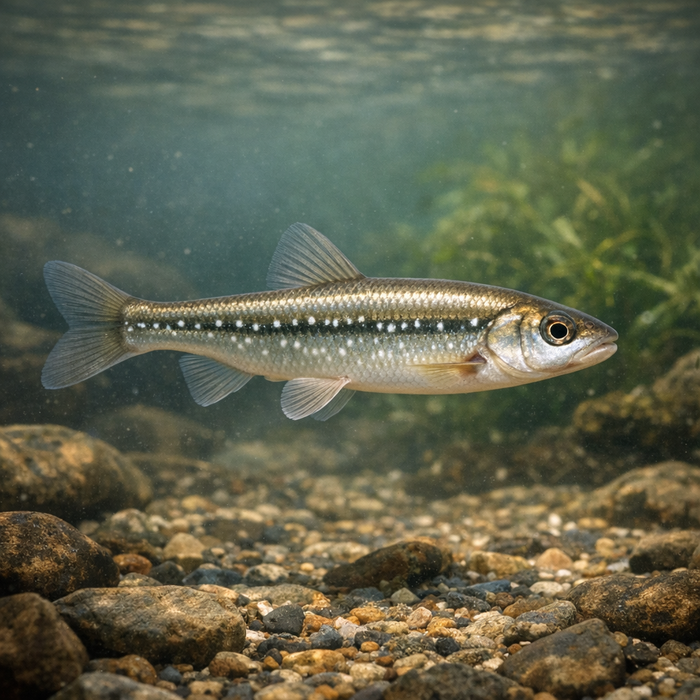
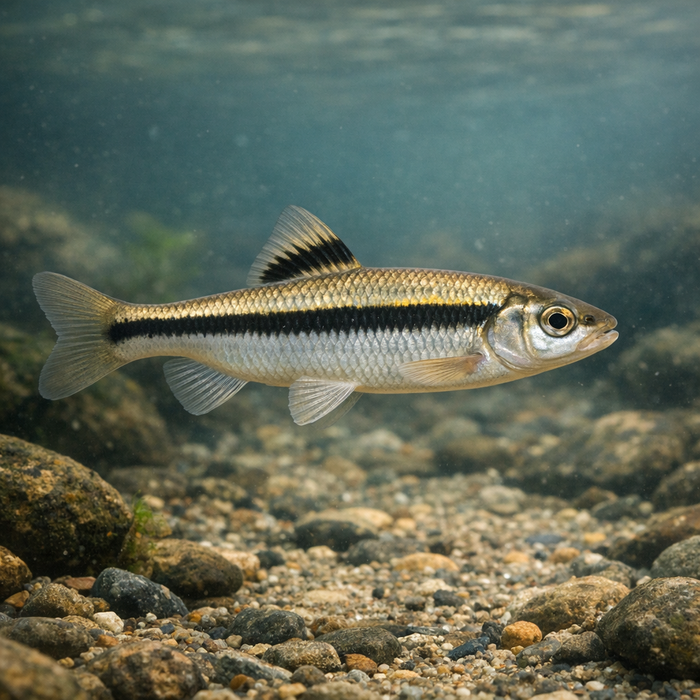
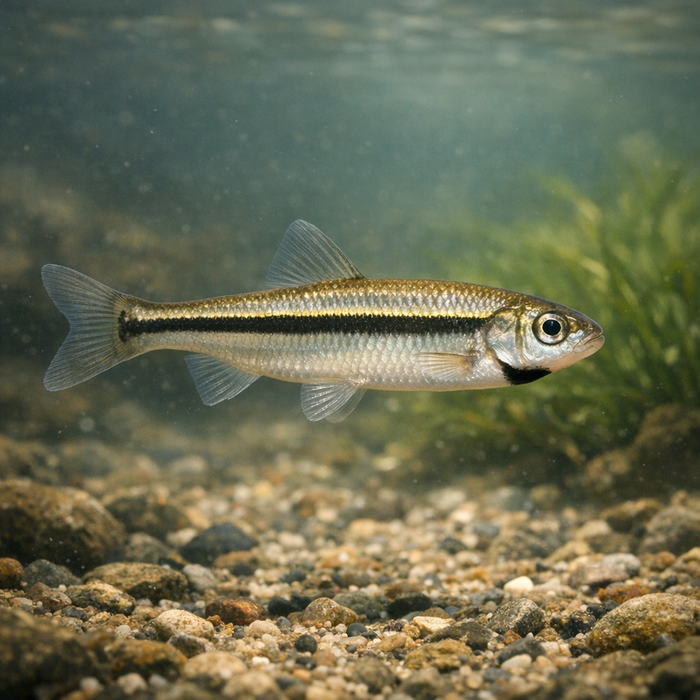
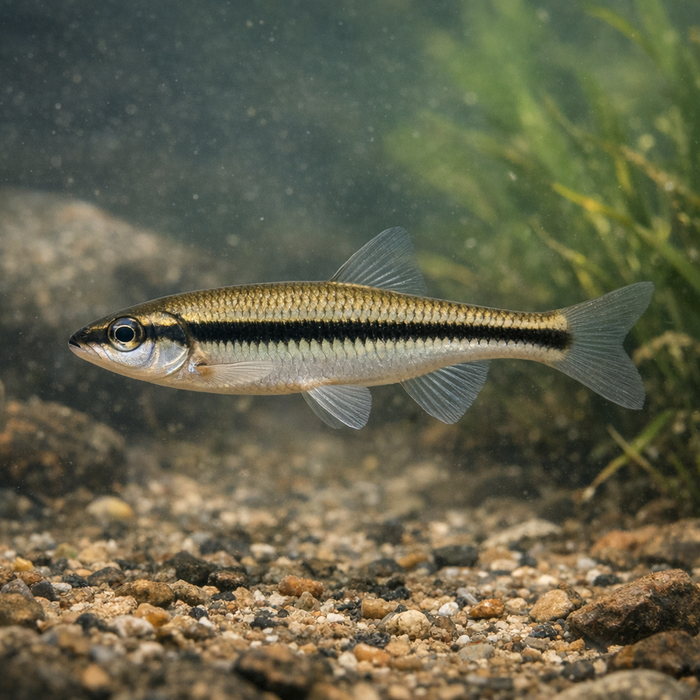
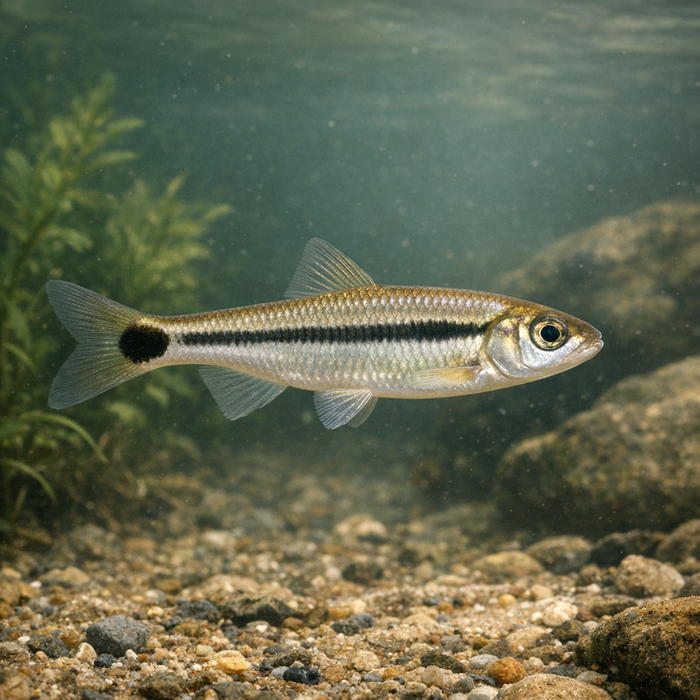
Start with the mouth. This species has unusually variable lips, including normal, thick rubber-lipped, and scraping forms associated with different feeding habits. Rubber-lipped individuals have even changed toward the normal mouth form in captivity as feeding conditions changed. That is considerably more interesting than simply having a small mouth. Two pairs of barbels sit beside that underslung feeding apparatus, while coloration ranges from olive tones to golden yellow. Juveniles wear dark spotting that helps camouflage them. Smallmouth Yellowfish facts get better when you look past the gold paint: this fish is an adaptable feeding specialist rather than a single-purpose insect vacuum.
Habitat & Global Range
Its natural stronghold is southern Africa’s Orange–Vaal drainage, with established populations also occurring outside that original range following introductions and water transfers. Smallmouth Yellowfish habitat includes rocky rivers, smaller flowing channels, and reservoirs; clear water is excellent for spotting fish, but the species is not restricted to transparent fisheries. The Vaal below the Barrage, Sterkfontein Dam near Harrismith, and the Orange through the Richtersveld offer very different fishing settings. Think productive current and submerged structure in rivers, then visible cruising fish and changing shoreline opportunities in clear reservoirs. The scenery changes dramatically. The need to read the water does not.
Behavior & Temperament
Smallmouth Yellowfish can exploit the food conveyor belt without wasting energy in its strongest current. Observations describe fish holding behind rocks, facing upstream, then moving sideways or vertically to intercept drifting prey. That makes a convincing drift more useful than frantic fly changes. Their behavior also shifts with conditions: river fish may use different feeding areas as seasons change, while reservoir fish can be highly mobile as food supplies and breeding opportunities move. A stretch that held fish yesterday is a useful clue, not a binding contract. Watch first, identify what the fish are actually doing, and resist casting simply because the water looks expensive.
Ecological Importance
An omnivorous feeding strategy lets Smallmouth Yellowfish connect several parts of the freshwater food web. Aquatic invertebrates, plant material, and other available resources all contribute, with diet changing across habitats and life stages. Research from an Orange River reservoir found particularly strong differences between size groups, including substantial zooplankton feeding in intermediate-sized fish and increasing importance of vegetation in larger individuals. The ecological story is therefore broader than the insects anglers imitate. A dry-fly fishery shows one visible slice of a much more flexible feeding system. Protecting that system means caring about the riverbed and water quality, not merely the fish seen rising.
Conservation & Environmental Pressures
Smallmouth Yellowfish are classified as Least Concern, but that is a range-wide assessment, not a clean bill of health for every reach. Pollution, deteriorating water quality, and habitat damage remain serious local concerns. Their relatively slow growth and delayed maturity also argue against treating established populations as instantly replaceable. A fishery can look productive while its future spawning habitat is quietly being compromised.
For anglers, the practical response is straightforward: avoid spawning concentrations and gravel beds, use barbless hooks, handle fish with wet hands, and keep releases efficient. Do not mistake an accessible spawning aggregation for a clever discovery. The point is to catch feeding fish without borrowing against the next generation.
The FishyAF Take
The best thing about Smallmouth Yellowfish is that they make the usual freshwater pecking order look silly. A fish filed under carp and rough fish can still demand a delicate dry-fly presentation, reward patient observation, and make backing more than decorative insurance. You do not need to pretend it is a trout, a bass, or anything else to justify the obsession. It already has its own identity.
Bring the recommended five- or six-weight outfit, a smooth drag, and enough humility to change your approach before emptying the fly box. Start with the feeding lane, not the fantasy. Get the presentation right and enjoy the argument that follows. Then put the fish back carefully. Golden scales are photogenic; a functioning fishery is the real trophy.