Spanish Mackerel (Scomberomorus maculatus): The Speed Demon of Coastal Waters
The Spanish Mackerel is a sleek, fast-moving predator that commands attention along the Atlantic coast and Gulf of Mexico. Known for its striking spotted pattern and lightning-fast strikes, this fish is a favorite among anglers and a critical player in marine ecosystems. If you want to understand what makes a coastal predator tick, the Spanish Mackerel offers a textbook example of evolutionary efficiency and ecological balance.
What Makes the Spanish Mackerel Unique?
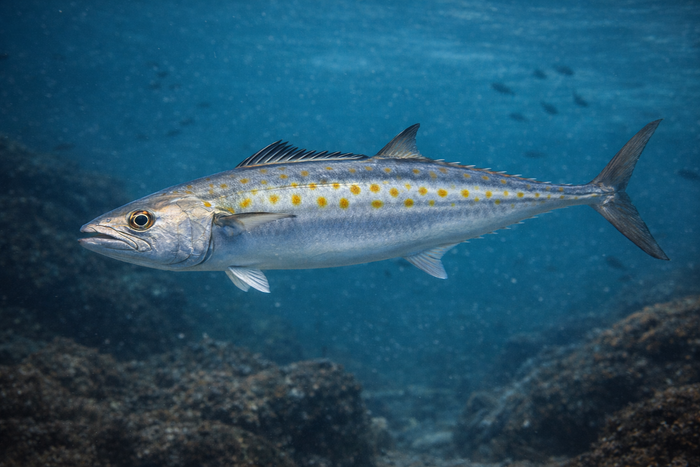
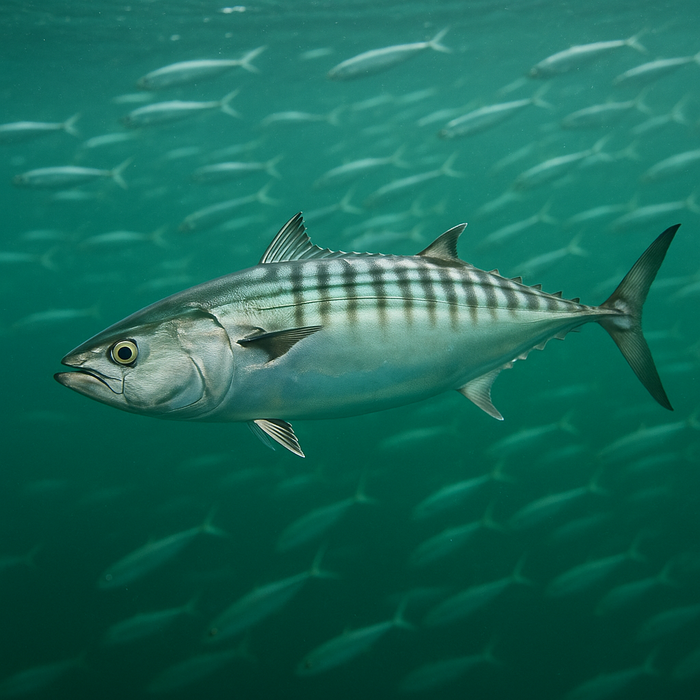
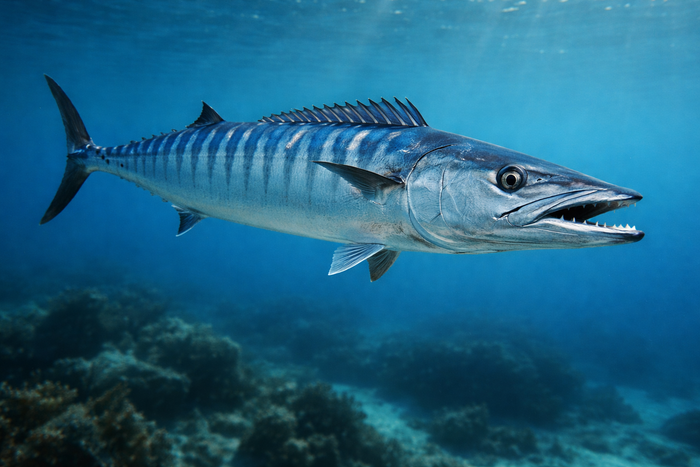
Spanish Mackerel stand out with their slender, torpedo-shaped bodies built for speed. Their silvery sides are peppered with distinct yellow or olive spots, a signature look that sets them apart from other mackerels. Unlike their bulkier cousins, they rely on bursts of rapid acceleration to ambush prey rather than brute strength. Their razor-sharp teeth and streamlined jaws are perfectly designed for slicing through schools of baitfish.
One of the most fascinating Spanish Mackerel facts is their ability to regulate their body temperature slightly above ambient water temperature. This physiological edge allows them to remain active in cooler waters where other predators slow down. It’s a subtle but powerful adaptation that helps them exploit a wider range of habitats and prey.
Habitat & Global Range
Spanish Mackerel habitat is primarily coastal and continental shelf waters, ranging from the northeastern United States down through the Gulf of Mexico and along the Caribbean. They prefer warm, temperate waters but are known to venture into cooler zones during seasonal migrations. These fish are often found nearshore around reefs, estuaries, and seagrass beds, where baitfish congregate.
Their range is tightly linked to water temperature and prey availability, making them seasonal visitors in some areas. The Spanish Mackerel’s presence often signals a healthy coastal ecosystem, as they depend on abundant forage fish like menhaden, sardines, and anchovies. Their migratory patterns follow the shifting schools of prey, moving northward in spring and retreating south as temperatures drop.
Behavior & Temperament
Spanish Mackerel are aggressive, fast, and opportunistic hunters. They hunt in small groups or alone, using speed and surprise to catch schooling fish. Their behavior is a masterclass in efficiency: they expend minimal energy cruising until they spot a target, then unleash explosive bursts of speed to capture it.
For anglers, Spanish Mackerel are prized for their fight and speed. They rarely put up a dull battle, making them a thrilling catch on light tackle. Despite their aggressive hunting style, they are not territorial and will share feeding grounds with other predatory fish like tuna and barracuda without issue.
Ecological Importance
Spanish Mackerel play a vital role in coastal food webs. As mid-level predators, they keep baitfish populations in check, preventing overgrazing on plankton and maintaining balance in the ecosystem. Their predation helps regulate species diversity and supports the overall health of marine habitats.
They are also prey for larger predators such as sharks and billfish, linking lower and higher trophic levels. This makes them a crucial component in energy transfer within marine ecosystems. The health of Spanish Mackerel populations often reflects the condition of coastal waters, making them an important indicator species for environmental monitoring.
Conservation & Environmental Pressures
Despite their abundance, Spanish Mackerel face several environmental pressures. Overfishing is a concern in some regions due to their popularity in commercial and recreational fisheries. Their fast growth and early maturity help buffer populations, but localized depletion can occur if fishing is not managed properly.
Habitat degradation from coastal development, pollution, and climate change also threatens Spanish Mackerel habitat. Changes in water temperature and prey availability can disrupt their migratory patterns and feeding behavior. Protecting estuaries, reefs, and seagrass beds is critical to sustaining healthy populations.
Management efforts focus on size and catch limits, seasonal closures, and habitat protection. These measures aim to balance fishing pressure with conservation, ensuring Spanish Mackerel remain a sustainable resource for future generations.
The FishyAF Take
Spanish Mackerel are the embodiment of coastal speed and precision. Their unique physiology, aggressive hunting tactics, and ecological role make them a standout species in the marine world. For anglers, they offer a thrilling challenge; for ecosystems, they provide balance and vitality.
Understanding Spanish Mackerel facts and their habitat is key to appreciating their place in the ocean’s complex web. They’re not just flashy fighters; they’re essential players in maintaining healthy coastal waters. Keep an eye on this species—it’s a barometer for the health of our nearshore environments and a reminder that speed and strategy often win the day beneath the waves.