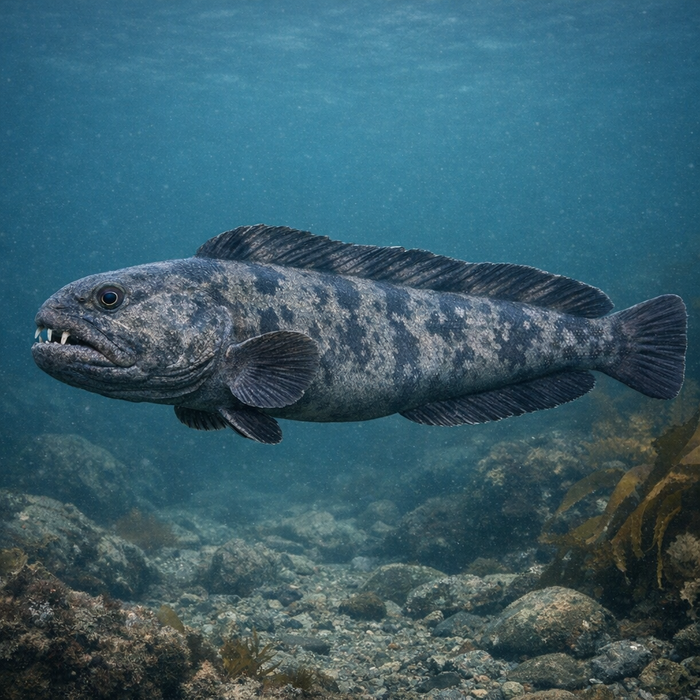
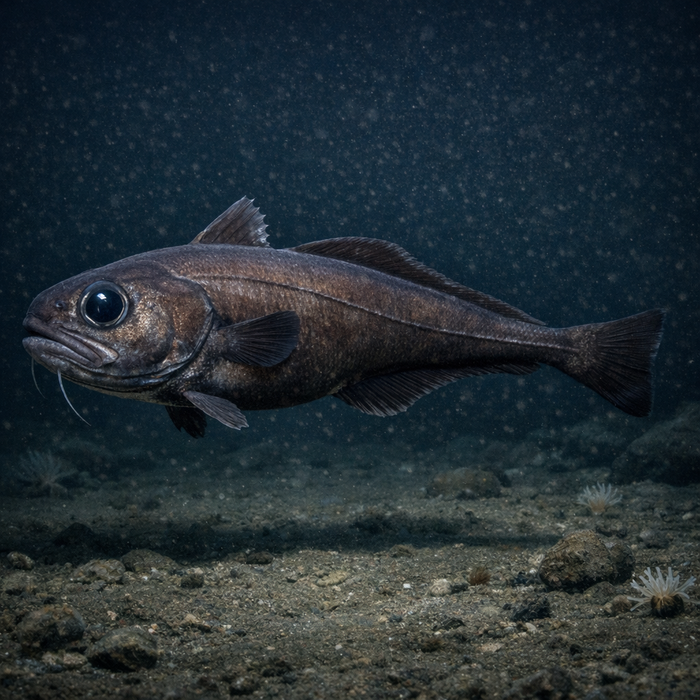
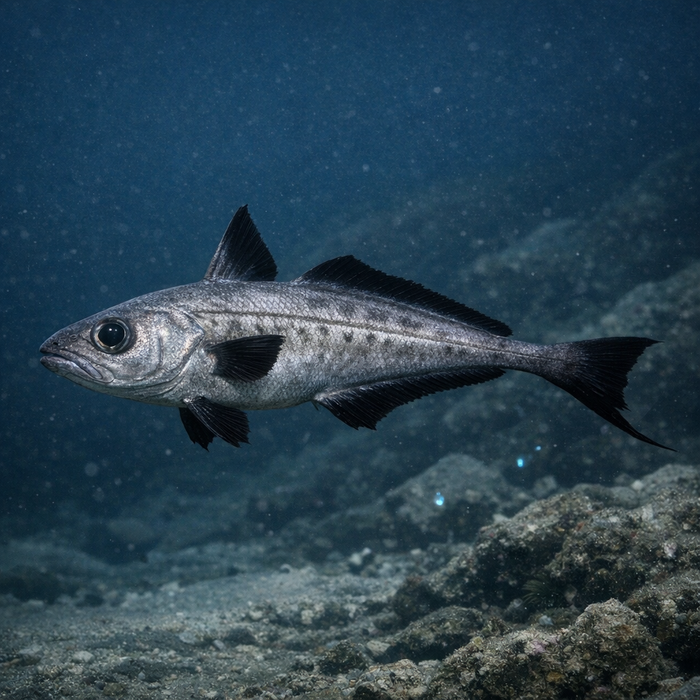
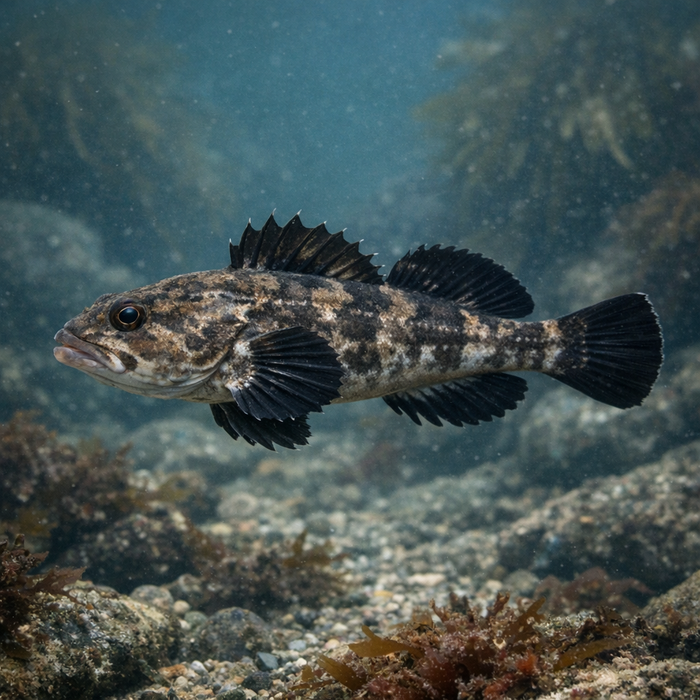
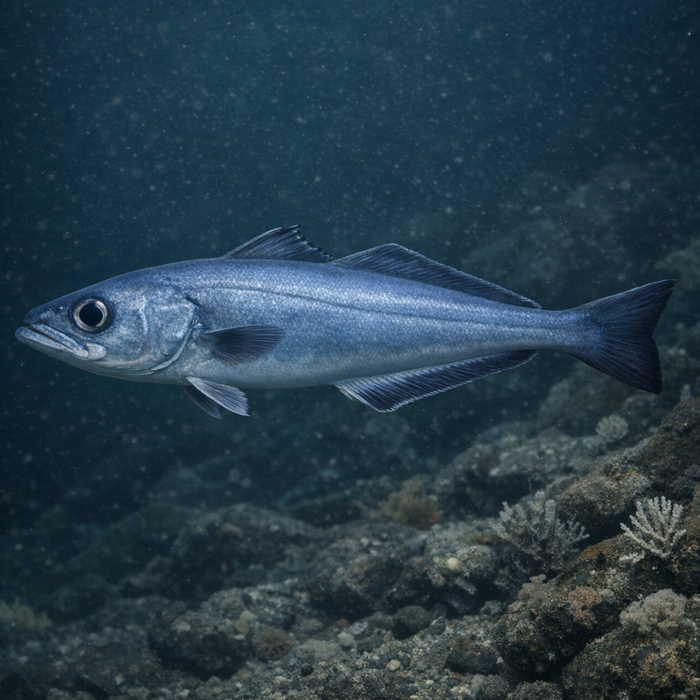
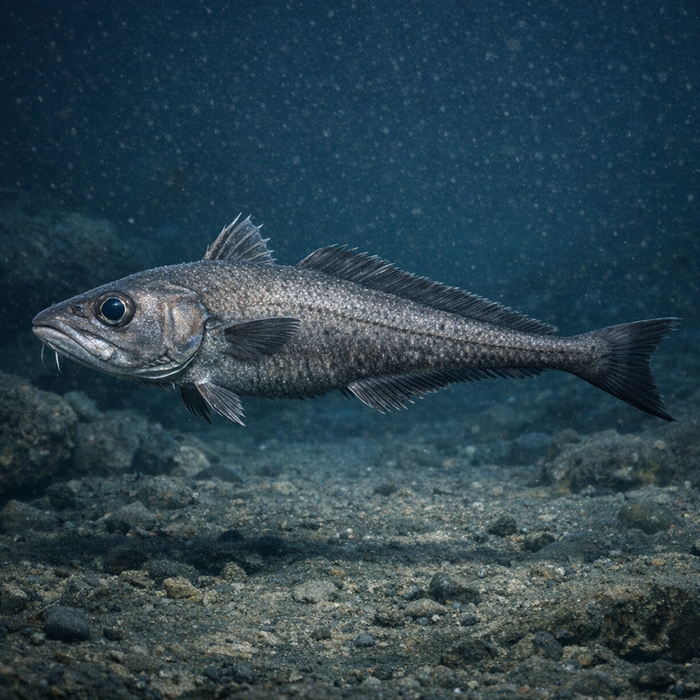
Spotted Wolffish (Anarhichas minor): A Bold, Memorable Hook LineIntroductionMeet the cold-water bruiser with a face only a fish nerd could love. The spotted wolffish looks like a submarine crossed with a bulldog, and that's before it flashes the dental hardware. This North Atlantic specialist is all business: heavy head, camo spots, and jaws built to punish anything with a shell. If you're after Spotted wolffish facts with some real fishing relevance, you're in the right place.What Makes the Spotted wolffish Unique?Start with the mouth. Think canines up front and pavement crushers in the back, made for obliterating crabs, urchins, clams, and snails. Those teeth get renewed regularly because wear-and-tear is part of the job. Then there's the chemistry trick: antifreeze proteins in the blood help this fish operate in near-freezing seawater without turning into a popsicle. Add to that a long, eel-like profile with no pelvic fins and broad pectorals used like kickstands on the bottom. The spotted pattern does the rest, blending it into boulder fields and cobble where dinner crawls.Habitat & Global Range"Spotted wolffish habitat" means cold, deep, and rugged. We're talking North Atlantic shelves and slopes, often 200 to 1,000 feet down, hugging rock piles, ledges, and mixed gravel. Its range stretches across both sides of the North Atlantic: think Labrador and Newfoundland across to Greenland, Iceland, the Faroes, and the Norwegian and Barents Seas. Don't expect beach bites or sunny flats. This is a structure-centric, bottom-committed fish that keeps to cold neighborhoods and stable temperatures.Behavior & TemperamentThe spotted wolffish is a sit-tight ambush feeder with bursts of bully energy when food shows up. It's not a roamer or a surface player; it owns a patch of real estate and works it. Spawning is demersal, with males guarding clumps of big eggs for months, which is rare parental investment in the fish world. It won't sprint like a tuna, but it'll lean hard, twist in the rocks, and threaten leaders with a mouth that means it. Hook one and you'll feel the bulldog headshakes more than long runs.Ecological ImportanceThis fish is a cleanup crew and population check all in one. By crushing hard-shelled invertebrates, it shapes benthic communities and recycles nutrients. Those antifreeze proteins even have biotech value, inspiring research that ranges from cryopreservation to material science. Spotted wolffish sit in the middle of the food web: predators of crunchy stuff, prey for bigger toothy things higher up the chain.Conservation & Environmental PressuresSpotted wolffish populations have been hammered regionally by habitat disturbance and bycatch from bottom trawling. Slow growth and specific habitat needs don't help recovery. In some countries, it's protected or tightly regulated, with mandatory release in certain fisheries. Wherever it's not outright protected, catch-and-hold is still uncommon because most anglers aren't working that deep, that cold, or that rocky. If you care about this species, you care about bottom habitat integrity and smart bycatch mitigation.The FishyAF TakeThe spotted wolffish isn't pretty, but it's memorable. If cod are the North Atlantic's bread-and-butter, the spotted wolffish is the spiked mackerel tin on the pantry shelf: niche, intense, and strangely indispensable. Anglers rarely make a dedicated mission for them, but when one eats, you won't forget it. If your plan involves Spotted wolffish habitat, bring stout gear, abrasion-proof leader, and a dehooker you trust near dentition that belongs in a medieval sketchbook. Weird fish? Absolutely. Worth knowing? Even more so.