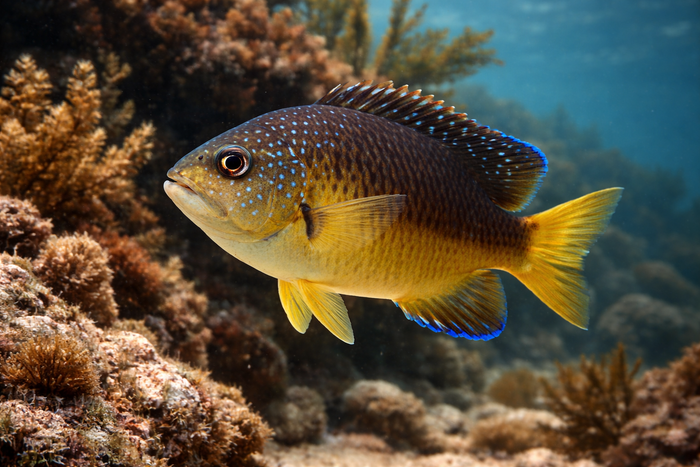
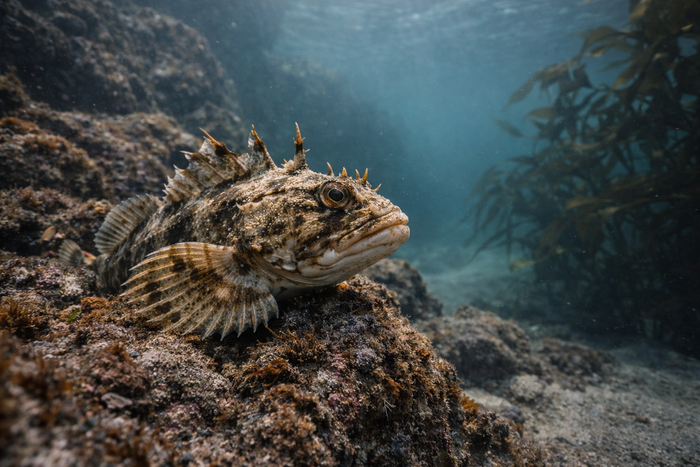
Squirrel Fish (Holocentrus adscensionis): The Nocturnal Red Flash of the Reef
The Squirrel Fish is not your average reef dweller. Sporting a vivid red body and oversized eyes, this species commands attention both day and night. Known scientifically as Holocentrus adscensionis, it’s a staple of tropical Atlantic reefs, combining striking looks with fascinating behavior. If you’re after Squirrel Fish facts that go beyond the surface, you’re in the right place.
What Makes the Squirrel Fish Unique?
The Squirrel Fish stands out for its bold coloration and nocturnal lifestyle. Its bright red scales aren’t just for show—they serve as effective camouflage in the dim light of dusk and dawn. Those enormous eyes are a giveaway: this fish is built for low-light hunting, giving it a distinct advantage when most reef predators are winding down.
Unlike many reef fish that rely on speed, the Squirrel Fish uses stealth and patience. It has a specialized swim bladder that can produce grunting sounds, a rare trait among reef fish. This sonic ability is thought to play a role in communication or territorial defense, adding an acoustic dimension to its survival toolkit.
Habitat & Global Range
The Squirrel Fish calls the western Atlantic home, ranging from the southeastern United States down through the Caribbean and along the coast of Brazil. Its preferred Squirrel Fish habitat is coral reefs and rocky ledges, usually between 10 and 100 meters deep. These environments provide plenty of crevices and caves where the fish can hide during daylight hours.
This species thrives in warm, tropical waters where reef complexity offers both shelter and hunting grounds. The Squirrel Fish’s presence is often a sign of a healthy reef ecosystem, as it depends on the intricate structure for protection and food access.
Behavior & Temperament
By day, the Squirrel Fish is a shy, reclusive creature, retreating into reef crevices to avoid predators. When night falls, it transforms into a bold hunter. Its diet mainly consists of small crustaceans and planktonic organisms, which it picks off the reef with precision.
Squirrel Fish are generally solitary or found in small groups. They are territorial but not aggressively so, preferring to defend their chosen caves rather than engage in open conflict. Their grunting calls can be heard during these territorial displays, adding an eerie soundtrack to the reef’s nocturnal activity.
Despite their fierce appearance, Squirrel Fish are not a threat to divers or larger fish. They’re curious but cautious, often freezing in place when approached, then darting back into hiding if disturbed.
Ecological Importance
Squirrel Fish play a crucial role in reef ecosystems. By preying on small invertebrates, they help control populations that could otherwise damage coral or disrupt the balance of reef life. Their nocturnal feeding habits complement the diurnal activity of other reef fish, ensuring continuous ecosystem function around the clock.
Additionally, their presence supports a diverse food web. Larger predators rely on Squirrel Fish as a food source, linking different trophic levels within the reef. Their role as both predator and prey makes them an integral piece of the reef puzzle.
Conservation & Environmental Pressures
Like many reef species, the Squirrel Fish faces threats from habitat degradation. Coral bleaching, pollution, and destructive fishing practices reduce the complexity of their habitat, limiting shelter and food availability. While not currently listed as endangered, localized declines have been noted where reef health is compromised.
Climate change poses a long-term threat by altering water temperatures and chemistry, potentially disrupting breeding and feeding patterns. Protecting Squirrel Fish habitat means safeguarding entire reef systems, which benefits countless other species.
The FishyAF Take
The Squirrel Fish is a prime example of how evolution crafts creatures perfectly suited to their niche. Its vivid red coloration, oversized eyes, and acoustic abilities make it a standout in the reef community. For anyone interested in Squirrel Fish facts, understanding its nocturnal habits and ecological role adds depth to its flashy appearance.
This fish is a reminder that reef ecosystems are complex, interconnected, and worth protecting. The Squirrel Fish isn’t just another pretty face; it’s a vital player in maintaining reef health. Next time you’re diving or snorkeling in the Caribbean or western Atlantic, keep an eye out for this bold, memorable fish. It’s a glimpse into the hidden nightlife of the reef, where survival is a mix of stealth, sound, and striking style.