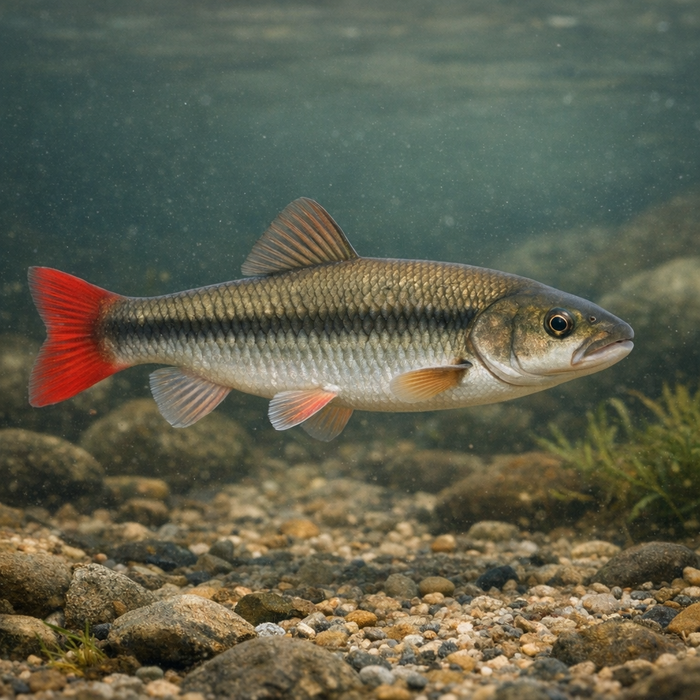
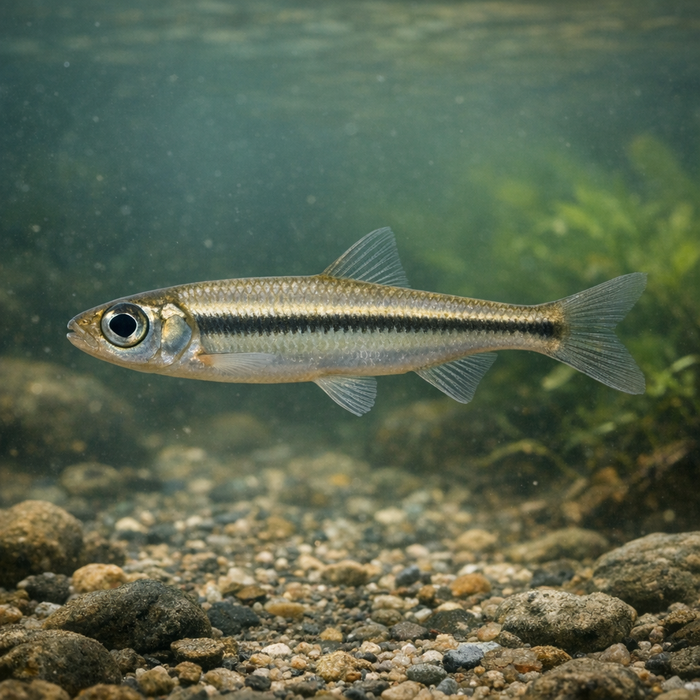
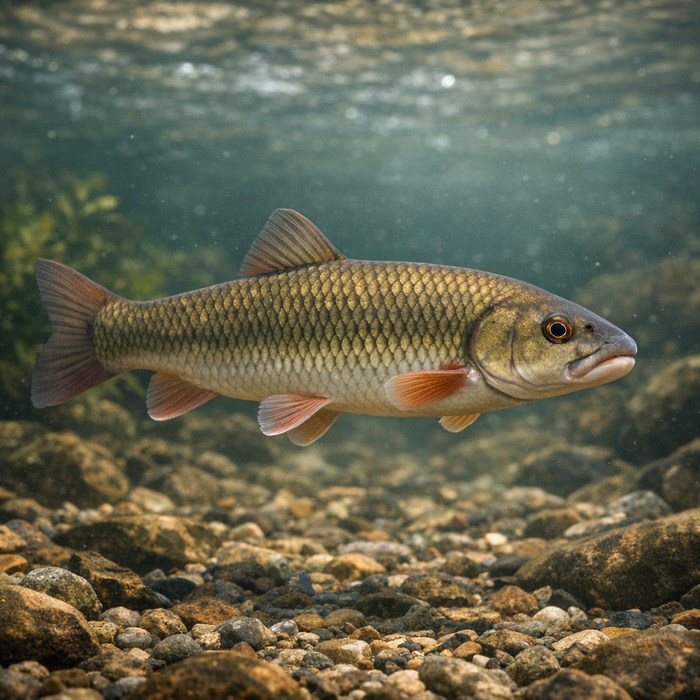
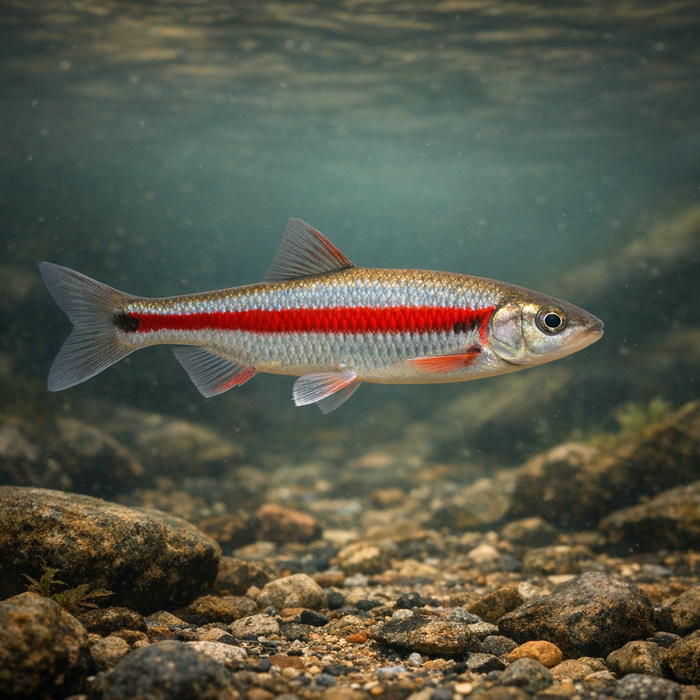
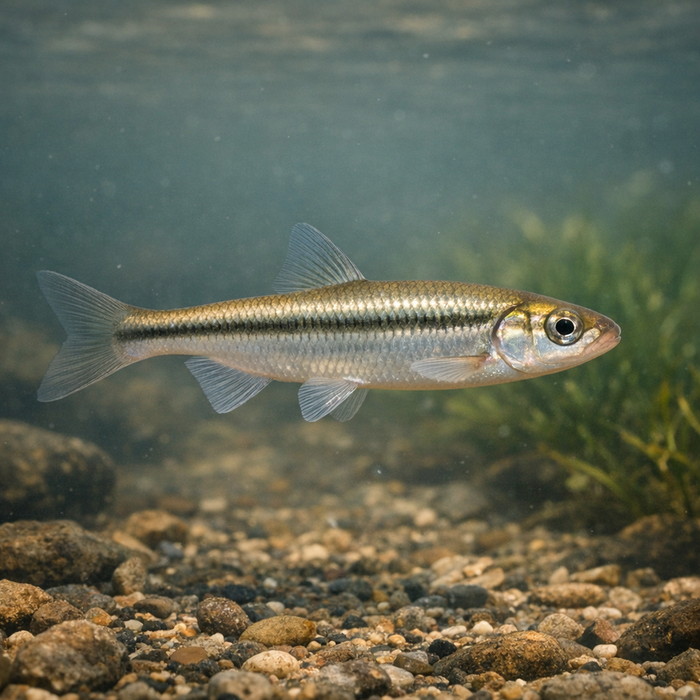
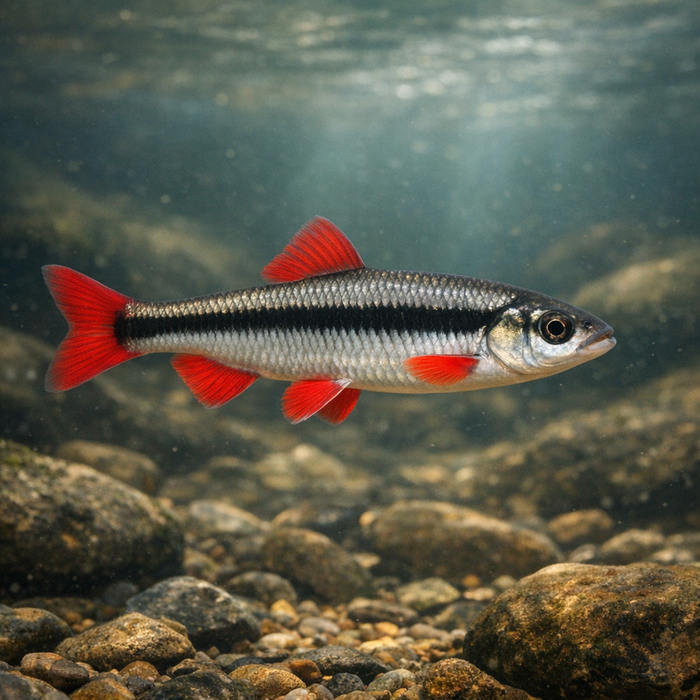
Tennessee shiner (Paranotropis leuciodus): Small fish, big sparkle, absolute riffle chaos when the colors switch on.IntroductionThe Tennessee shiner is the little silver comet you see streaking through Appalachian riffles. It's not a trophy wall hanger and it won't spool your reel, but if you love wild creeks, hatches, and lively water, this minnow is pure river personality. Whether you chase micro-species or just need bulletproof bait for creek smallmouth, the Tennessee shiner earns its keep and then some.What Makes the Tennessee shiner Unique?Two things jump out. First, breeding colors. During the spawn, males ignite with scarlet snouts and orange fins, turning routine riffles into a neon parade. Second, they're nest associates. Instead of building their own gravel mounds, they often slip eggs into chub-made nests, free-riding a proven strategy that boosts oxygen and protection. Those two quirks alone make Tennessee shiner facts more entertaining than you'd expect from a fish that usually fits in your palm.Habitat & Global RangeThe Tennessee shiner is a current junkie built for clear, cool-to-warm creeks with clean gravel. Think riffle-run-pool systems with steady flow and good oxygen. You'll see them in the Tennessee and Cumberland drainages, plus nearby foothill streams with similar water chemistry. It's classic Tennessee shiner habitat: cobble bottoms, boulder pockets, and tailouts where drifting food meets shelter. They school tight in seams and slip into deeper runs or undercut banks when the sun is high or herons start shopping.Behavior & TemperamentSchooling is the move. Dozens to hundreds pulse together, flashing in unison as they surf micro-eddies. They feed midwater and near the surface when hatches fire, picking off insects and fine bits tumbling downstream. Spawning pulls them into shallow riffles over gravel, often atop those chub-built mounds. Startle one and the whole pack zips like mercury, regrouping a few yards away. They're not brawlers, but they are wired and fast, which is why micro anglers love sight-fishing them on tiny hooks or soft hackle flies.Ecological ImportanceThe Tennessee shiner is a conveyor belt for energy in freestone creeks. It converts drifting insects into bite-sized protein for larger predators like smallmouth, rock bass, and trout. Their nest-associate strategy also creates a community event: multiple species use the same chub mounds, stacking biodiversity into a single gravel hill. When Tennessee shiner numbers are healthy, you're usually looking at a stream with clean substrate, real flow, and oxygen levels that keep everything clicking.Conservation & Environmental PressuresOfficially, Tennessee shiners rank as a common, widespread species, but they're not bulletproof. Siltation from bad road crossings, bank collapse, and careless development can smother gravel and kill the spawning program. Warm, stagnant pools from low summer flows or water withdrawals turn a living riffle into a lifeless trickle. Floods can rearrange the furniture overnight; they're resilient, but long-term sediment and chronic runoff are trouble. Keep the gravel clean, protect riparian shade, and this species does the rest.The FishyAF TakeThe Tennessee shiner is proof that small fish can deliver big attitude. If you want a masterclass in creek ecology, watch a school work a riffle at dusk while caddis pop. If you want a personal best, bring micro gear and patience. If you just want bullet bait for bronzebacks, they're the gold standard. Tennessee shiner facts might not headline a record book, but in the real world of moving water and wild edges, this little silver rocket is essential gear, scenery, and story all in one.