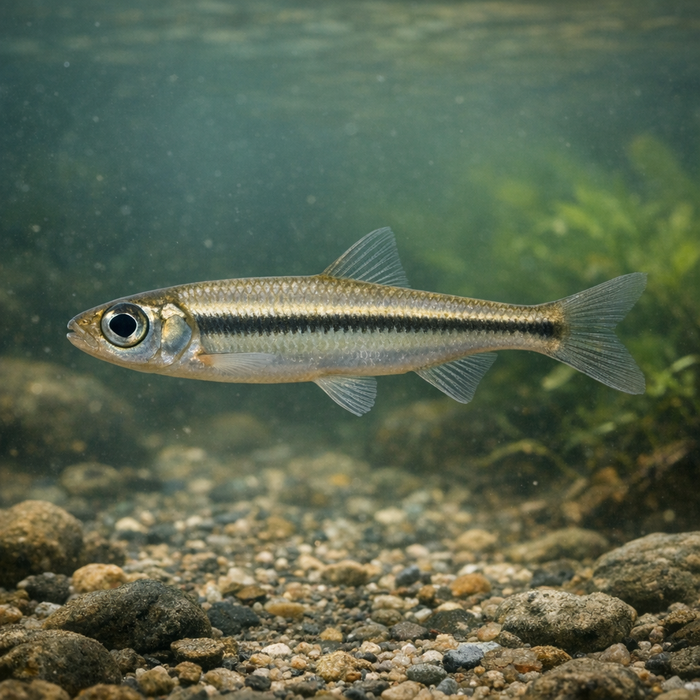
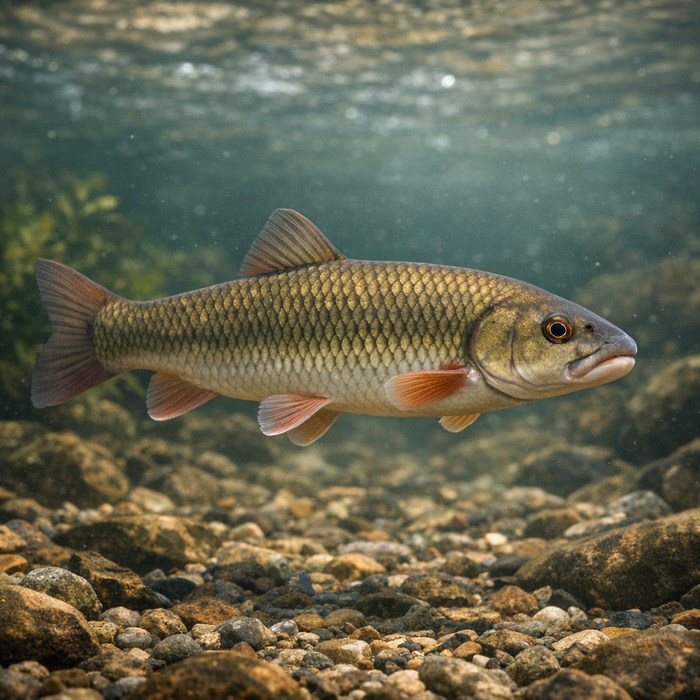
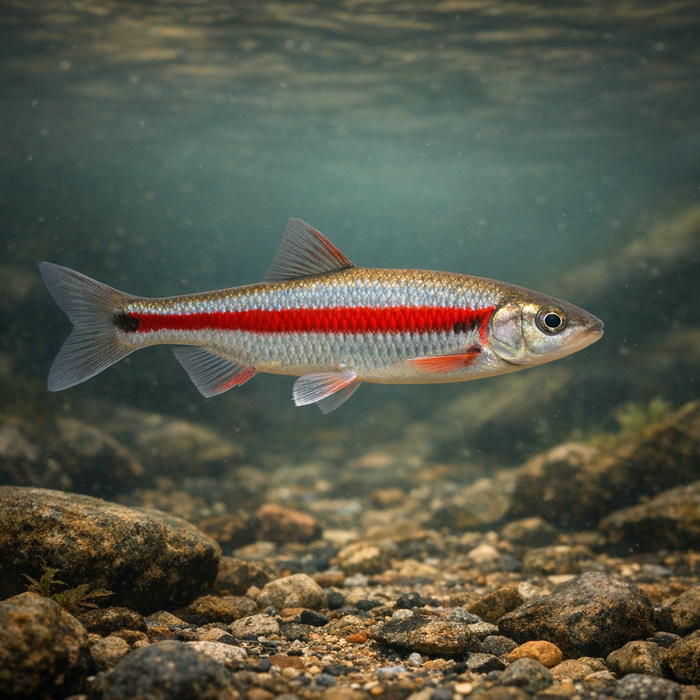
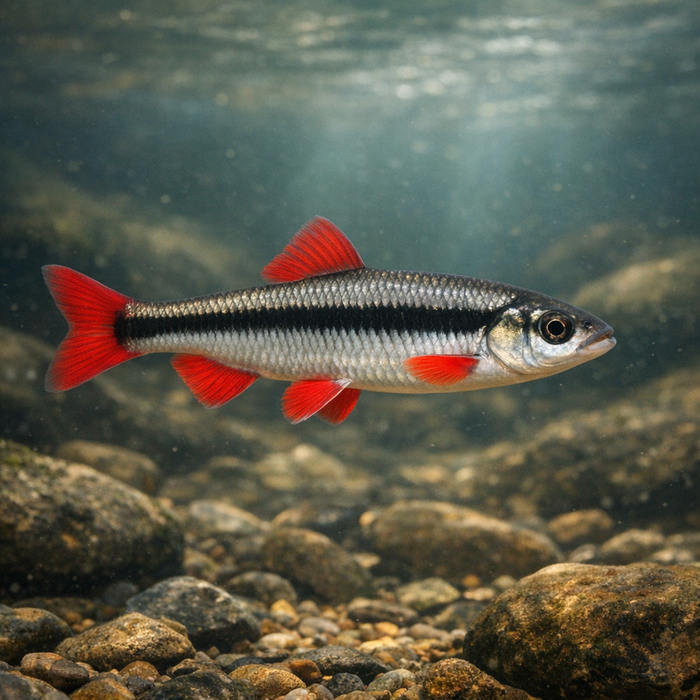
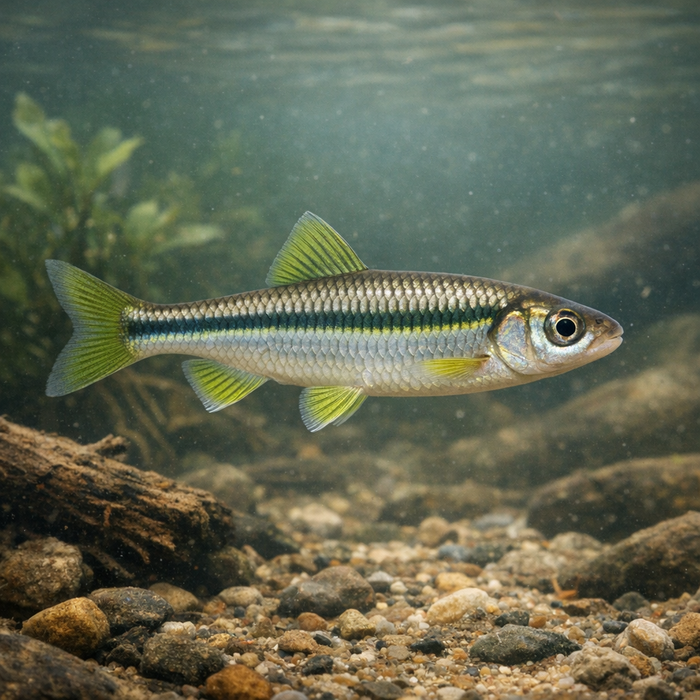
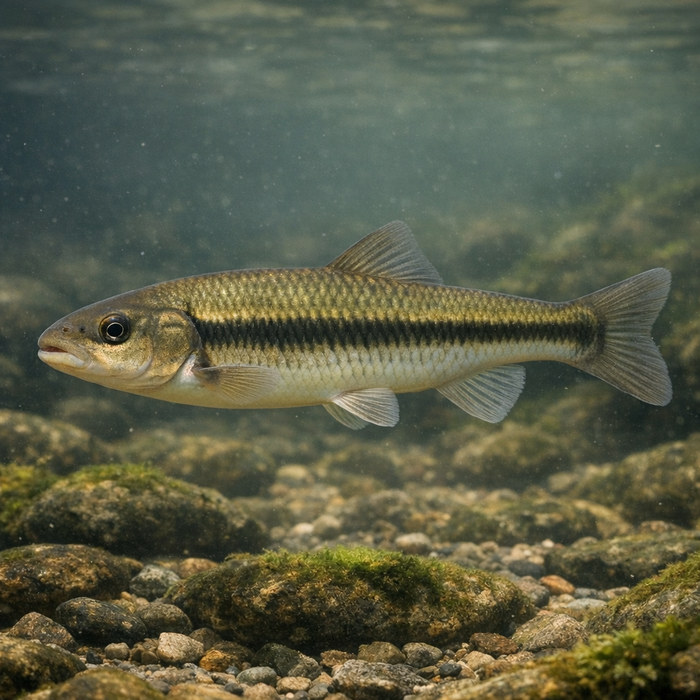
Chub Shiner (Alburnops potteri): Spring-Riffle Spark Plug With Micro-AttitudeIntroductionMeet the chub shiner, the tiny silver streak that turns quiet riffles into traffic jams. It's not a headline sportfish, but if you like precision, light line, and watching current come alive, this minnow is your gateway drug. Alburnops potteri punches way above its weight class in speed, schooling swagger, and seasonal color. You won't win a derby with one, but you'll sharpen your river-reading skills faster than you think. Consider this your quick hit of chub shiner facts before you bring the micro hooks.What Makes the Chub Shiner Unique?For starters, breeding males develop sandpaper-like tubercles across the head and snout, then flash lemon-tinted fins like they just rolled through a highlighter. That spawning look paired with a sleek, torpedo shape makes them stand out from a crowd of "just another shiner." They're also current specialists, leaning into clear runs and riffles where clean sand and gravel matter. That preference gives anglers a laser-focused target: find flow, find chub shiner.Habitat & Global RangeChub shiner habitat screams moving water. Think small to medium streams with stable flow, bright bottoms, and oxygen-rich chutes. They pack into seams, tailouts, and the soft lanes beside riffles where drifting insects and micro-debris funnel like a buffet line. Regionally, the species is a Gulf-slope and south-central regular, tied to rivers in places like Texas, Oklahoma, Arkansas, and neighboring states. You won't confuse their world with alpine creeks or blackwater swamps. They want clarity, decent current, and substrate that doesn't clog with silt. When flows spike after storms, schools slide to protected eddies, then repopulate runs once the river's heartbeat steadies.Behavior & TemperamentThe chub shiner is a schooling opportunist with quick-twitch reflexes. It feeds midwater more than most casual observers realize, snatching drifting insect bits, tiny crustaceans, and organic flecks. In bright light they school tight and jittery; in low light or broken surface texture they push higher in the column. Spawning kicks with warming water in late spring, and that's when you'll see the color and tubercles pop. They're not fighters in the largemouth sense, but on 2-4 pound line with a tiny float, they deliver honest taps and darting runs that make micro-gear worthwhile.Ecological ImportanceForget trophy fever and appreciate their job. Chub shiners move energy. They convert drifting invertebrates and detritus into bite-sized fish that feed larger predators like bass, drum, and assorted river hunters. Their habit of using clean gravel and riffle margins puts them in the quality-control department for streams: when chub shiners are doing well, oxygen and substrate are usually in check. Lose the clarity and the gravel void space, and you'll lose the schools.Conservation & Environmental PressuresWhile generally considered secure, the species doesn't shrug off neglect. Excessive siltation clogs the gravel matrix where eggs settle. Poorly managed runoff turns runs dingy and starves them of oxygen. Prolonged drought can strand whole cohorts; brutal floods can scour out cover and wash juveniles downstream. None of this is unique to one shiner, but a current-loving minnow advertises river health in real time. Keep the banks vegetated, the gravel clean, and the storm pulses moderated, and chub shiner numbers repay the favor.The FishyAF TakeThe chub shiner won't fill your cooler, but it will fill your brain with current math. It's an amplifier for everything anglers should notice: seam lines, substrate, flow velocity, and tiny adjustments in depth. Learn to catch chub shiner consistently and you'll accidentally level up for trout, bass, and anything else that feeds in moving water. It's the river's spark plug. Show up with micro hooks, a short float, and humility. When they're dimpling in the slick beside a riffle and you thread a sliver of worm into their lane, it's proof you read the water right. That's the kind of win that lasts longer than any snack-size fish photo and keeps you chasing more chub shiner habitat and micro victories all season.