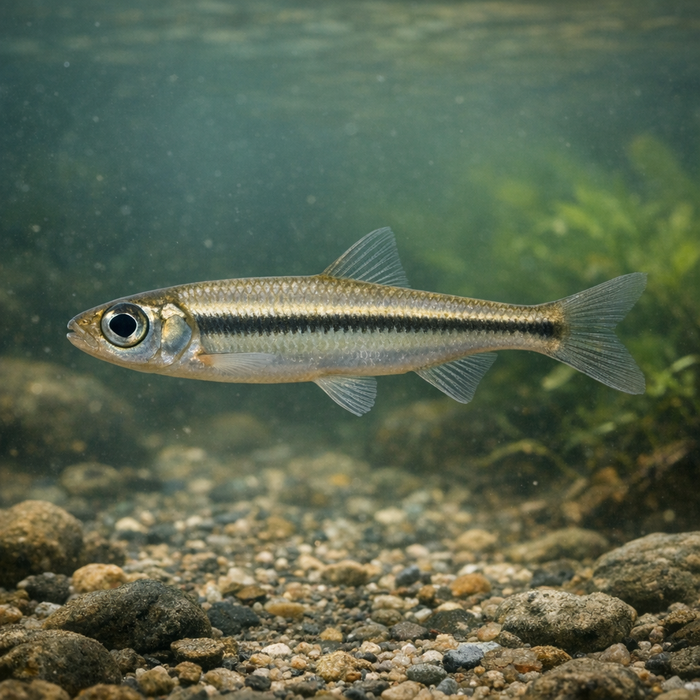
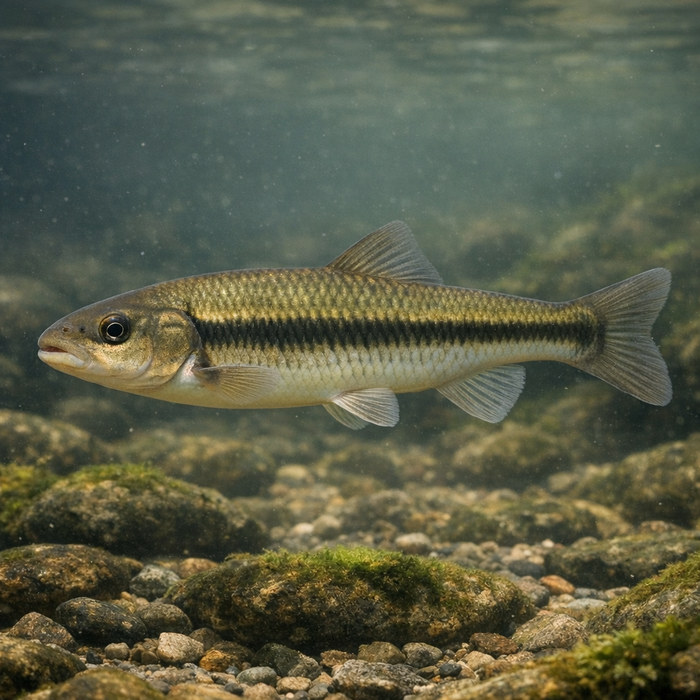
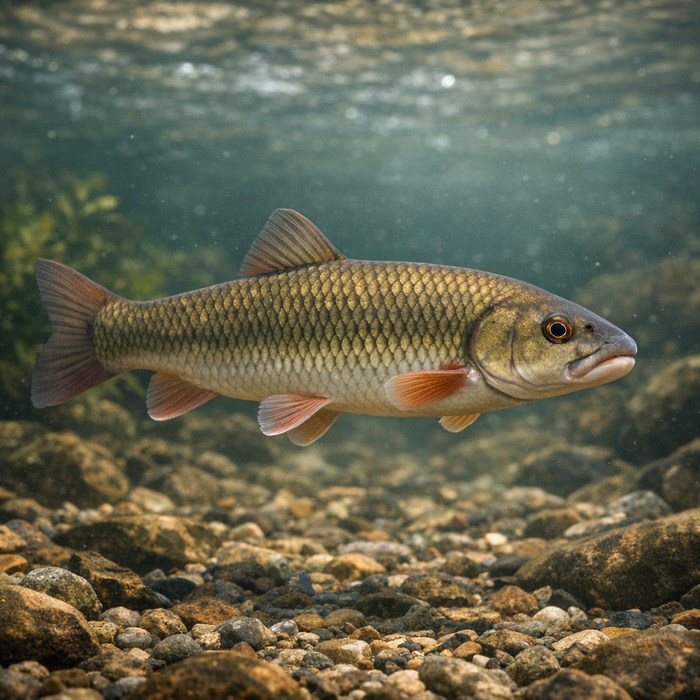
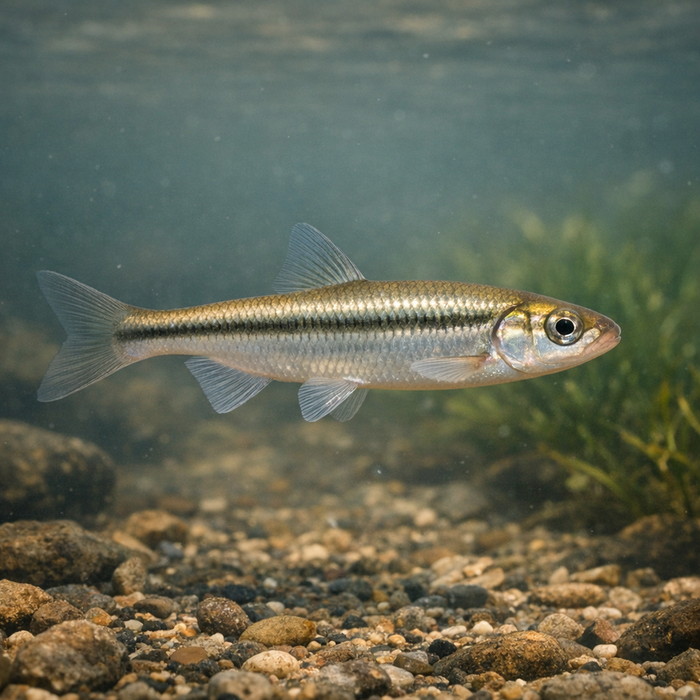
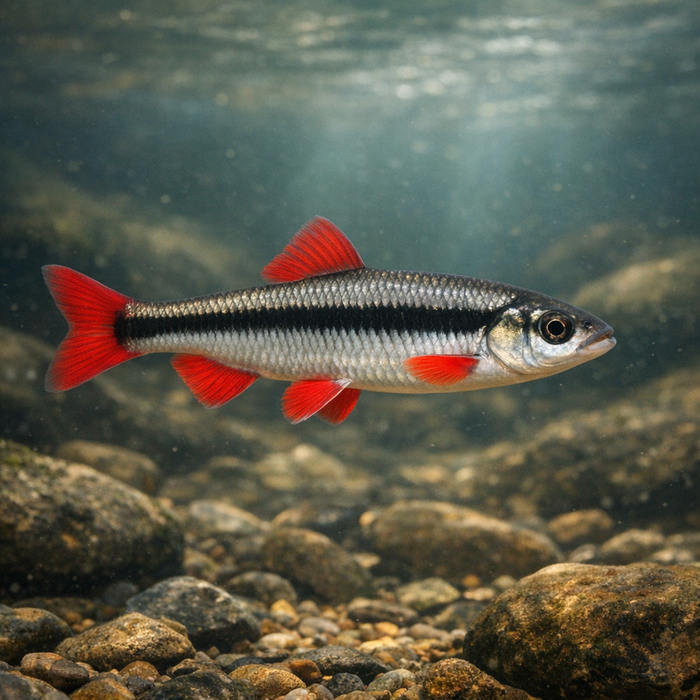
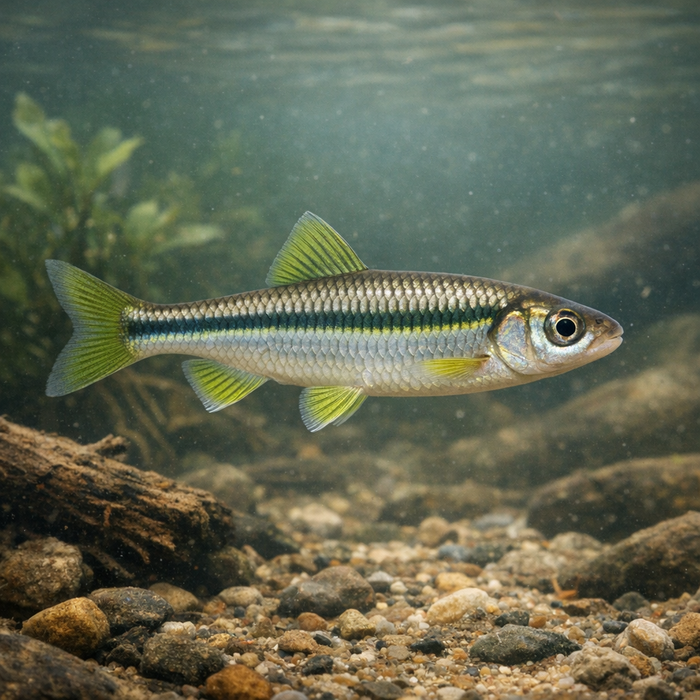
Cardinal shiner (Luxilus cardinalis): A Bold, Memorable Hook LineIntroductionMeet the little fish that steals the spotlight from bigger river neighbors. The cardinal shiner is a micro-sized missile built for fast water, but when breeding season hits, males throw on blaring red paint like they're headlining a parade. It's the kind of fish you notice only once, then start seeing everywhere in riffles and pools. Small, sure, but loaded with attitude. If you're curious about true Ozark stream character, learning a few cardinal shiner facts is a great place to start.What Makes the Cardinal shiner Unique?Two things: color and shine. In spawning mode, males of this Luxilus show a jolt of cardinal red on the snout and fins, a shock of pigment rare among North American minnows. Outside of that flashy season, the body still throws serious sparkle thanks to the crosshatched diamond-scale pattern that defines the genus. That lattice catches sun like chrome. Add a sleek, torpedo frame and big, alert eyes, and you've got a tiny stream racer purpose-built for clear water and tricky currents.Habitat & Global RangeLet's talk water. Cardinal shiner habitat screams Ozarks: cool to warm, glass-clear streams with gravel and chert, punctuated by riffles that feed into knee- to waist-deep pools. They stack just off current seams, along shallow runs, and over clean, refreshed gravel. While they aren't globe-trotters, within their Interior Highlands home turf they can be locally abundant. That patchy-but-common pattern means you can walk into the right tributary, see the bottom like a window, and spot schools flickering in the shallows. They're classic small-stream fish, not lake drifters, and they thrive where current sorts the stones and keeps silt from clogging the works.Behavior & TemperamentCardinal shiners are schooling opportunists. They hold midwater most of the day, sliding up and down the water column to intercept drifting bugs. In spring, they crowd into loose swarms near riffle heads and fresh gravel. Males sprout fine breeding tubercles and posture with quick darts and tight turns, all flash and bravado. Don't expect rod-bending fights, but do expect fast takes and lots of them if your offering is tiny and subtle. They spook in a hurry in bright conditions, then swing back into position as soon as the shadow of danger moves off.Ecological ImportanceThey're small, but not small-time. Cardinal shiners help move energy from invertebrates and algae up the food web into larger predators like bass and darters. Their habit of broadcasting eggs over freshly cleaned gravel, often near chub nests, keeps the micro-drama of the riffle humming. When their numbers slide, it usually means the stream is silting up, flows are unstable, or water quality is going sideways. In short, healthy cardinal shiner schools are a sign your creek is firing on all cylinders.Conservation & Environmental PressuresThe species is generally considered stable where quality habitat remains, but clear streams are fragile. Excessive sediment, nutrient spikes, gravel mining, and low summer flows can all hammer populations. Because the fish depends on clean, well-oxygenated riffles and unconsolidated gravel, anything that smooths the streambed into muck is bad news. Connectivity matters too; barriers can pinch off seasonal movements between riffles and pools. Even minor shifts in baseflow or a big flood that fills riffles with fines can set them back. Protect the riffles, and the cardinal shiner usually takes care of itself.The FishyAF TakeThe cardinal shiner is the punk-rock opener that sometimes upstages the headliner. Show up with ultralight gear or a tiny fly box and you'll unlock a surprisingly technical game in ankle-deep water. It's fast, visual, and honest. Miss the drift and you get snubbed. Nail it and the school lights up. If you want a quick hit of wild Ozark stream energy, this is it. Keep it simple, treat the gravel like sacred ground, and respect the current. For quick-hit, creekside fun, the cardinal shiner delivers, and it'll make you appreciate clean water more than any lecture on "Cardinal shiner habitat" ever could.