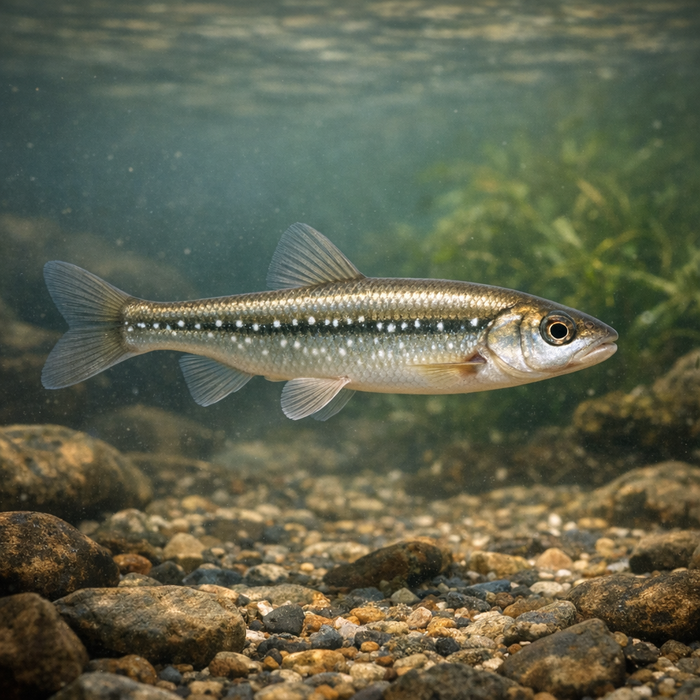
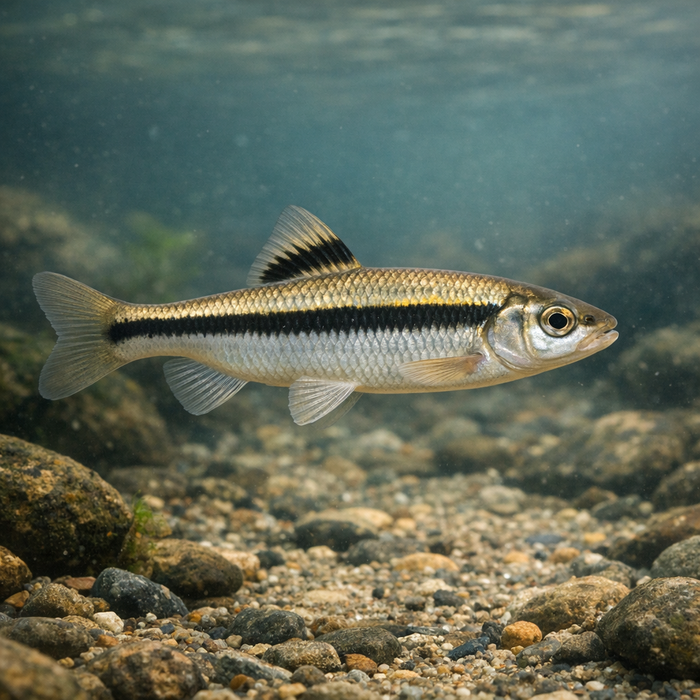
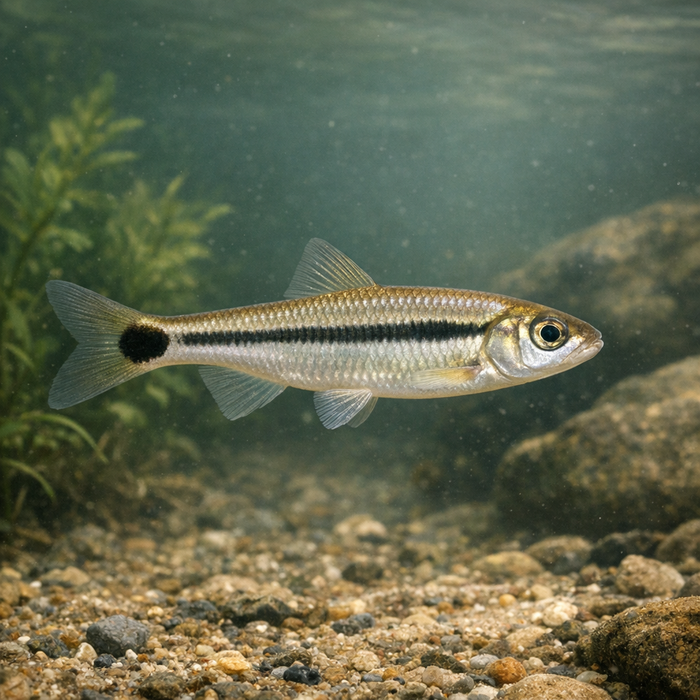
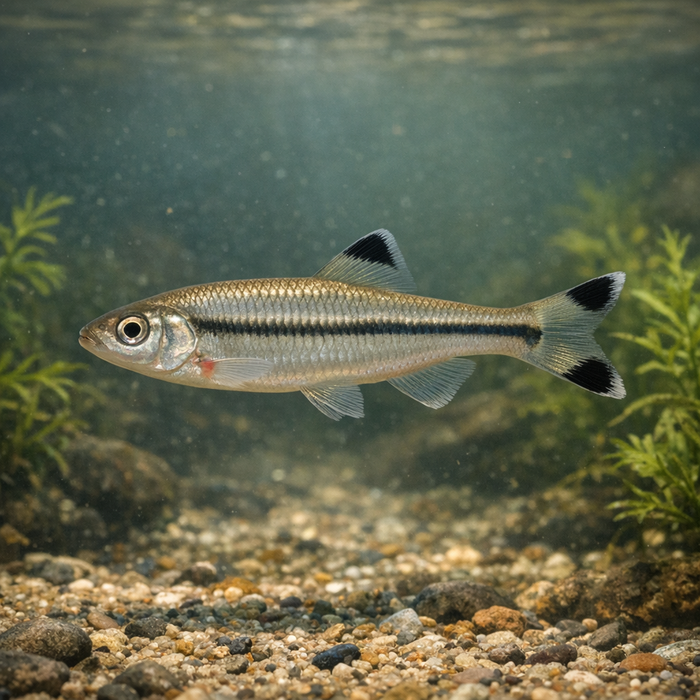
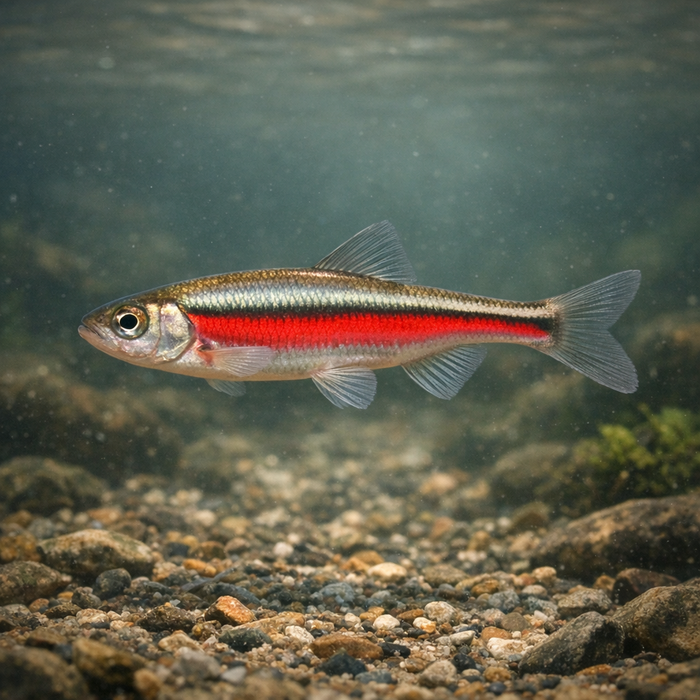
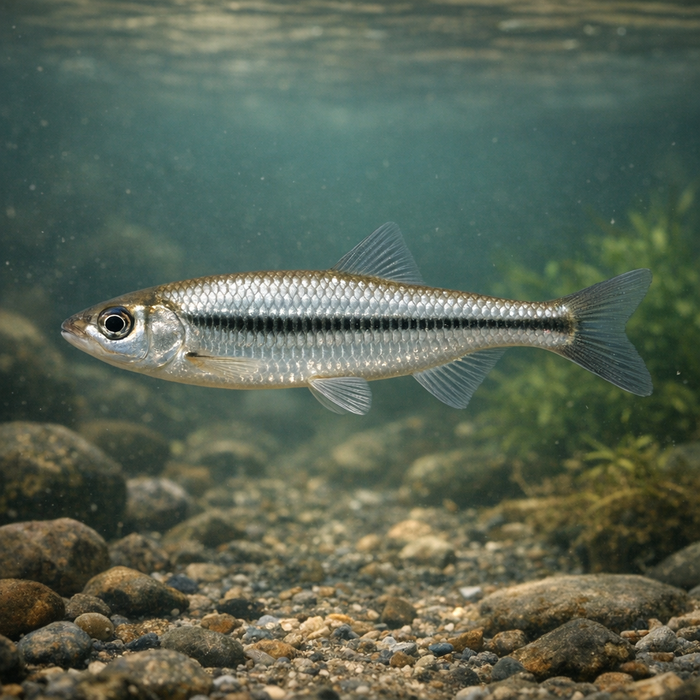
Tonguetied Minnow (Exoglossum laurae): A Bold, Memorable Hook LineIntroductionThe tonguetied minnow looks like any other creek chub until you see the mouth. That isn't a normal lower lip; it's a hard scraping pad built for vacuuming insects off stones. Small? Absolutely. Boring? Not a chance. If you chase overlooked creek fish or dabble in microfishing, the tonguetied minnow delivers oddball hardware, fast-water swagger, and a crash course in reading riffles. Consider this your jumpstart on tonguetied minnow facts.What Makes the Tonguetied minnow Unique?Let's start with the name. Exoglossum roughly translates to outside tongue, and the tonguetied minnow makes good on it with a cartilaginous mouth pad that scours algae and insect larvae from slick cobble. That different bite drive means they feed tight to the bottom and demand precise, tiny offerings. They're also unusual among small minnows for their housekeeping: males clean and shift pebbles to prep a spawning patch, then defend it like a pocket-sized bulldog. Couple that with a compact, muscular build perfect for holding in current, and you've got a minnow designed for riffles, not backwaters.Habitat & Global RangeIf you're scouting tonguetied minnow habitat, think clear, cool streams with cobble and gravel riffles, modest pools, and steady current. They hang in the Midwest, Great Lakes, and portions of the Northeast, especially in creeks and smaller rivers where silt doesn't smother the stones. These fish like oxygen-rich runs and shallow heads of pools where drifting bugs stack up. You may bump into small groups working a seam or the edge of a riffle, often right where most anglers wade past without noticing.Behavior & TemperamentThe tonguetied minnow is not reckless. It's quick, skittish, and glued to the bottom when anything large cruises by. They hold position behind cobble or along micro-seams, darting inches to nip something worthwhile and then snapping back into place. During the spawn, males show more color and posture over their cleaned stone patches, flashing in short chases at rivals. Most of the year, they cruise in loose pods rather than tight baitball schools. Think precise movements and short feeding flurries triggered by current, light, or a riffle surge.Ecological ImportanceThis minnow is the riffle's maintenance crew. By scraping and nipping benthic invertebrates, it helps cycle nutrients stuck to rocks and keeps algae films in check. The tonguetied minnow also converts bug biomass into bite-sized snacks for larger predators. Its nest-tidying clears silt from gravel, which can benefit other small fishes' eggs even if they aren't sharing a nest. When you protect tonguetied minnow habitat, you're protecting a whole riffle community that relies on clean rocks and moving water.Conservation & Environmental PressuresSilt is the enemy. Anything that muddies clean gravel smothers feeding lanes and spawning patches. Road runoff, bank erosion, poorly managed construction, and low summer flows can all grind this species down. The tonguetied minnow is not a poster child species, so declines can fly under the radar until a creek loses its riffle life. Local rules for bait collection, seining, and microfishing also vary. While broad listings may call them secure, creek-by-creek realities depend on water quality and flow stability.The FishyAF TakeThe tonguetied minnow isn't a trophy, it's a test. Can you read current well enough to drop a size-22 morsel into a teacup-sized slot without spooking a fish the length of your finger? Do that, and you'll start seeing streams differently. Chase a few tonguetied minnow habitat hides and suddenly every riffle tells a story: the nugget line, the soft edge, the cobble runway where tiny predators punch way above their weight. For anglers bored of bobbers and bass cliches, this little scrapper rewires your stream game in the best possible way.