Virgin River Spinedace (Lepidomeda mollispinis): A Bold, Memorable Hook Line
The Virgin River Spinedace is a small fish with a big attitude, carving out its niche in the rugged waters of the American Southwest with spines and colors that demand attention.
The Virgin River Spinedace, scientifically known as Lepidomeda mollispinis, is a freshwater fish that punches above its weight in terms of ecological significance and adaptability. This species is a standout among the spinedace group, known for its distinctive spiny fins and vibrant patterns. Despite its modest size, the Virgin River Spinedace plays a critical role in the ecosystems of the Virgin River basin, a unique and often harsh environment. Understanding this fish means appreciating the delicate balance of desert river systems and the challenges they face.
What Makes the Virgin River Spinedace Unique?
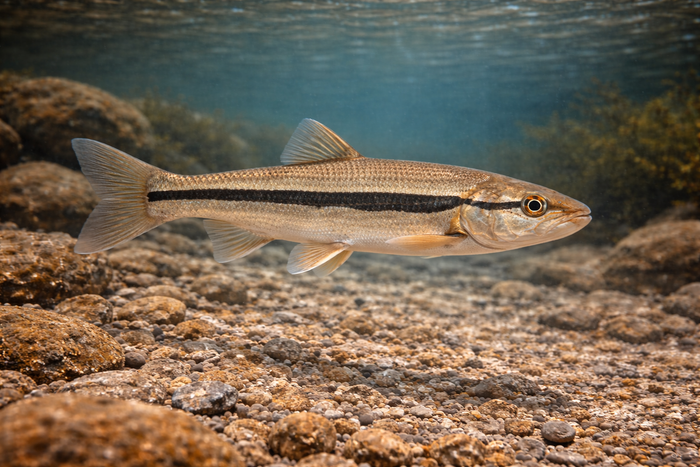
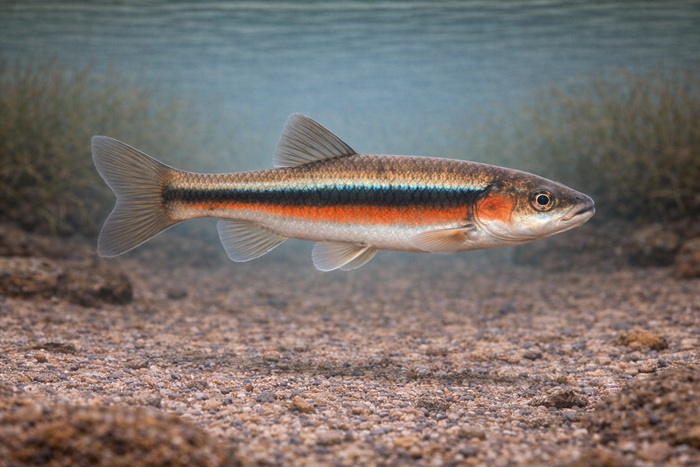
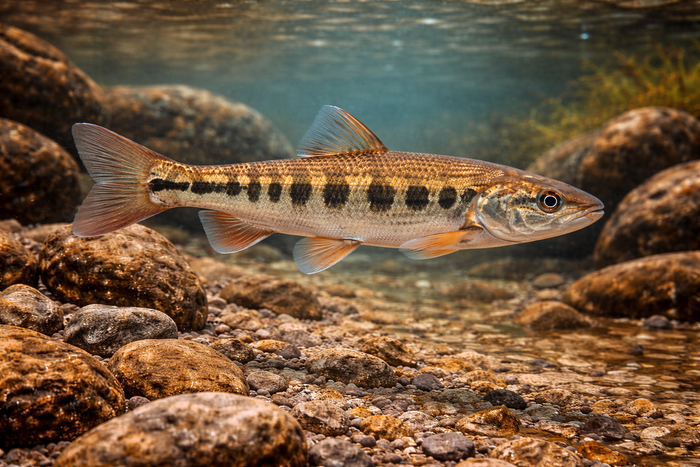
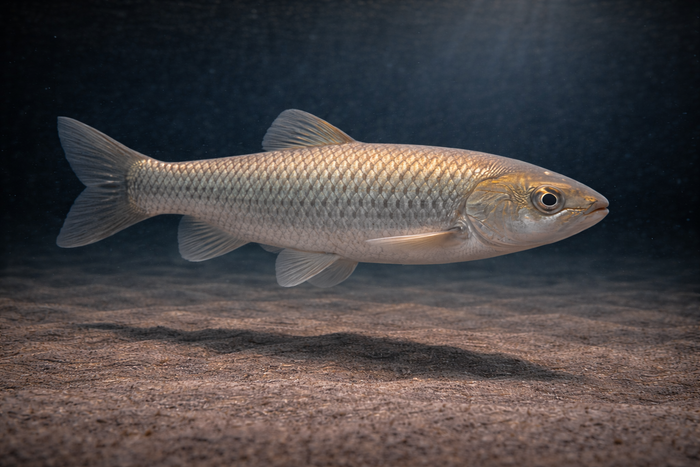
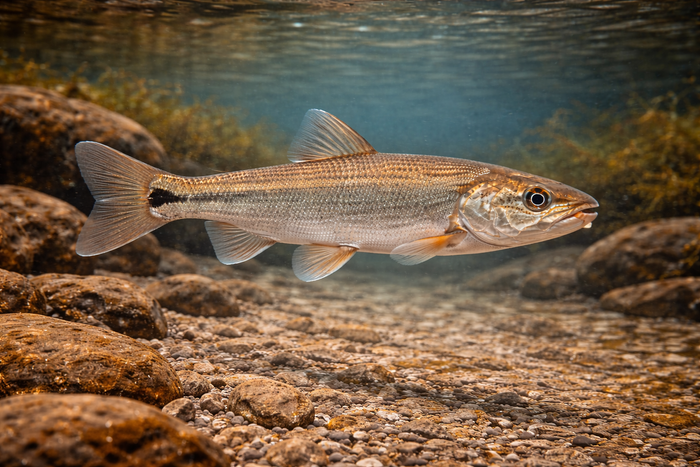
The Virgin River Spinedace is not your run-of-the-mill minnow. Its name comes from the sharp spines on its dorsal fin, which are more pronounced than in related species. These spines serve as a defense mechanism against predators, giving it a slight edge in survival. Visually, the spinedace sports a sleek, silvery body with a subtle iridescence that catches the light, punctuated by faint vertical bars and a hint of pink or red along the lateral line during breeding season. This coloration is not just for show; it signals reproductive readiness and helps maintain social hierarchies within schools.
Unlike many fish that prefer stable environments, the Virgin River Spinedace thrives in fluctuating conditions. It tolerates varying water temperatures and flow rates, making it a resilient inhabitant of the often unpredictable Virgin River system. Its diet is opportunistic, feeding on aquatic insects, small crustaceans, and organic detritus, which positions it as both predator and prey within its food web.
Habitat & Global Range
The Virgin River Spinedace is endemic to the Virgin River basin, a tributary of the Colorado River that snakes through Utah, Arizona, and Nevada. This limited range makes the species a regional specialist. The Virgin River habitat is characterized by clear, cool, and moderately flowing waters with gravelly or sandy bottoms. These conditions are ideal for spawning and feeding, as the fish rely on riffles and pools where oxygen levels are high and food is abundant.
Virgin River Spinedace habitat is a textbook example of a desert river ecosystem—dynamic, sometimes harsh, and highly sensitive to environmental changes. Seasonal variations in water flow, temperature spikes, and sediment loads all influence the spinedace's survival. The fish’s ability to adapt to these shifting conditions is a testament to its evolutionary fine-tuning.
Behavior & Temperament
Virgin River Spinedace behavior is marked by schooling tendencies, especially outside of the breeding season. These schools provide safety in numbers and improve foraging efficiency. During spawning, males become territorial and display more vivid coloration to attract females and ward off rivals. Spawning typically occurs in shallow, gravelly riffles where eggs can be safely deposited and oxygenated.
Temperament-wise, the spinedace is neither aggressive nor passive. It strikes a balance, using its spines as a deterrent rather than engaging in direct conflict. Its alertness and quick darting movements make it a challenging catch for anglers and a tricky prey for larger fish and birds.
Ecological Importance
The Virgin River Spinedace is a keystone species in its environment. It serves as a crucial link in the food chain, feeding on invertebrates and organic matter while providing nourishment for larger predators. Its presence indicates a healthy river system because it requires clean, well-oxygenated water to thrive.
Moreover, the spinedace contributes to nutrient cycling within the river. By consuming detritus and small organisms, it helps break down organic material, facilitating nutrient redistribution that supports aquatic plant life and other fauna. Its spawning activities also help aerate river substrates, promoting habitat complexity.
Conservation & Environmental Pressures
Despite its resilience, the Virgin River Spinedace faces significant threats. Habitat degradation from water diversion, dam construction, and urban development has fragmented populations and reduced suitable spawning grounds. Increased sedimentation and pollution from agricultural runoff further stress the species by degrading water quality.
Climate change adds another layer of complexity, altering flow regimes and increasing water temperatures beyond the spinedace’s tolerance thresholds. Invasive species, such as non-native fish, compete for resources and introduce new predation pressures.
Conservation efforts focus on habitat restoration, water quality improvement, and population monitoring. Protecting the Virgin River Spinedace means safeguarding the entire river ecosystem, which benefits countless other species and human communities relying on these waters.
The FishyAF Take
The Virgin River Spinedace is a prime example of a small fish with a big ecological footprint. Its unique adaptations and specialized habitat requirements make it a fascinating subject for anyone interested in desert river ecosystems. This fish isn’t just surviving; it’s thriving in a tough environment that demands resilience and flexibility.
If you’re diving into Virgin River Spinedace facts or exploring Virgin River Spinedace habitat, remember that this species is a bellwether for the health of its ecosystem. Protecting it means preserving the intricate dance of life in one of North America’s most challenging freshwater environments. The Virgin River Spinedace deserves more than a passing glance—it demands respect for its role and the story it tells about survival against the odds.