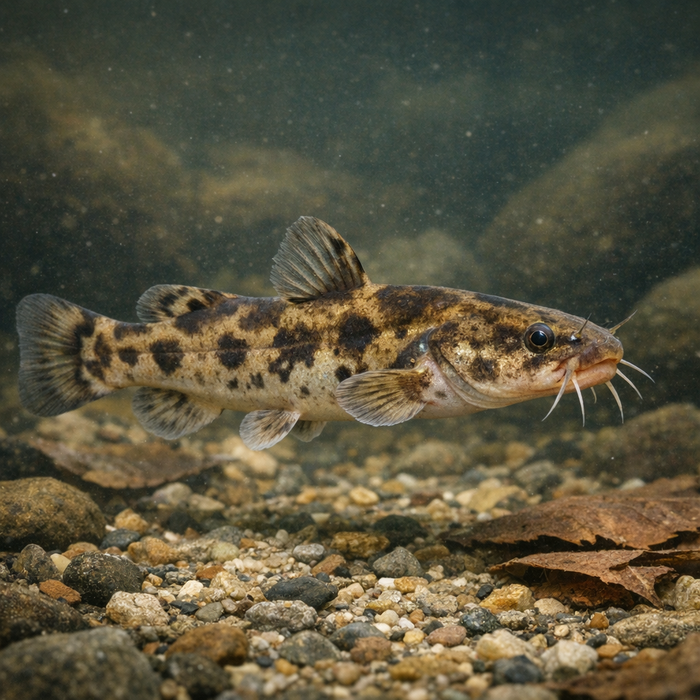
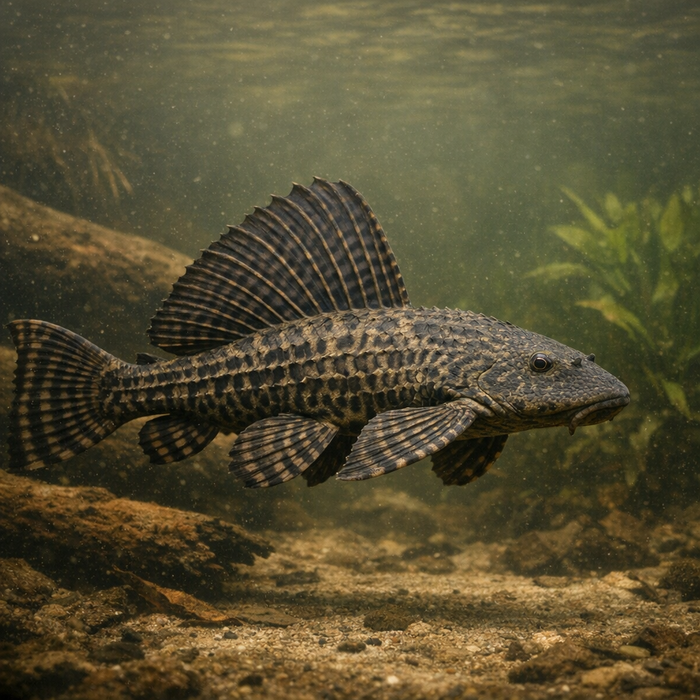
Vundu (Heterobranchus longifilis): The Deep-Water Heavyweight That Brings Its Own Air Supply
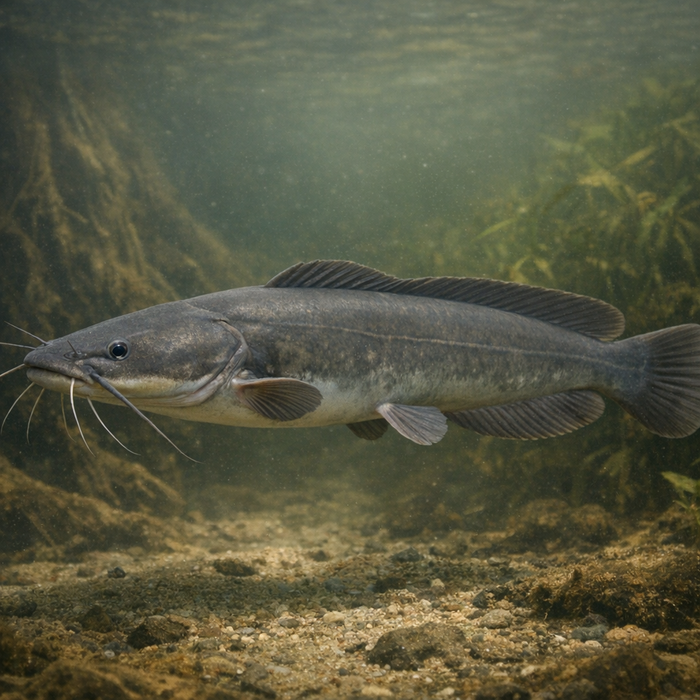
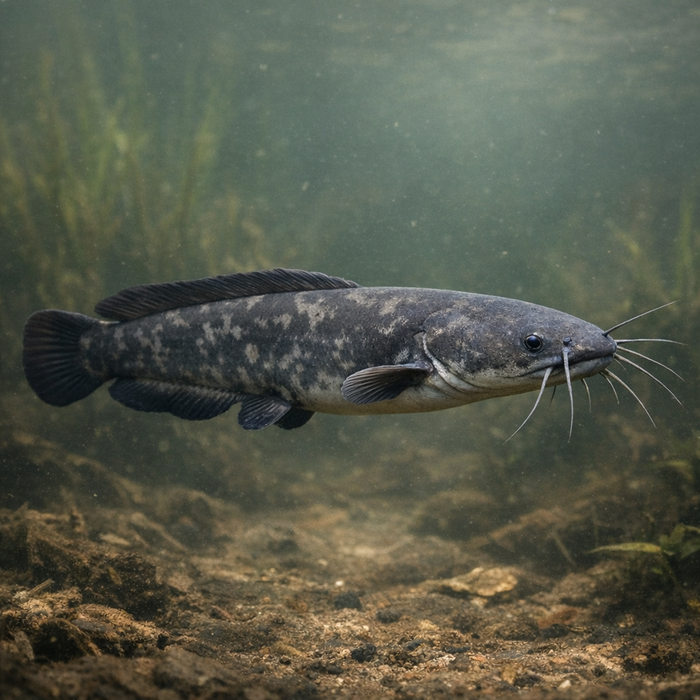
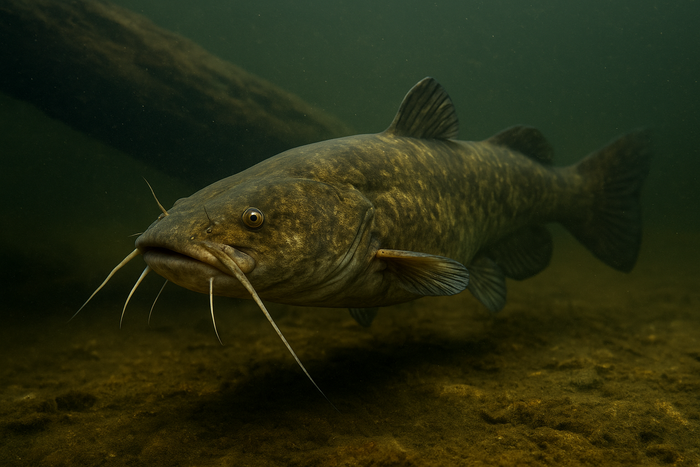
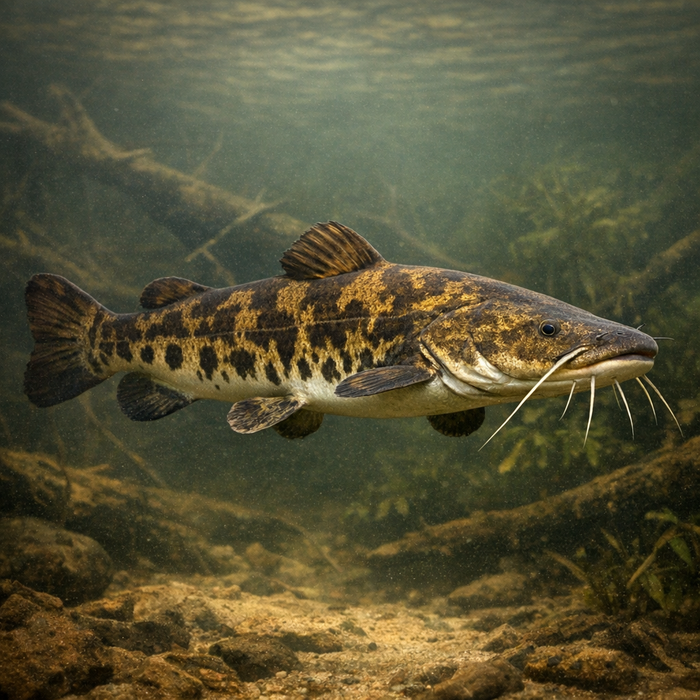
A Vundu does not need a spectacular jump to make an impression. An elongated body, broad head and serious pulling power handle that nicely. This African freshwater catfish belongs to the air-breathing family Clariidae, and its appeal goes well beyond size. It combines unusual anatomy with an opportunistic appetite and a preference for the deeper parts of substantial waterways. For anglers, that means heavy bottom tackle, patient bait placement and very little room for weak connections.
The guide’s typical size range is roughly 31.5–47.2 inches and 10–30 pounds. That is already plenty of catfish. Exceptional specimens occupy a different weight class entirely, so treating every bite like a small-fish problem is an ambitious way to lose tackle.
What Makes the Vundu Unique?
Start with the breathing equipment. A well-developed accessory respiratory organ allows this species to supplement aquatic respiration with atmospheric air. It is an adaptation, not a party trick, and certainly not permission to leave a landed fish lying around while someone finds a camera. Air-breathing fish still deserve careful, efficient handling.
Then look along the back. Behind the rayed dorsal fin sits an unusually large adipose fin, approximately comparable in length to the dorsal itself. That second fleshy section is a useful identification feature, especially when distinguishing this fish from African sharptooth catfish. The broad head and elongated body complete a silhouette that looks built for business rather than decoration.
Size provides the third standout trait. Published biological accounts report weights up to 55 kilograms, approximately 121 pounds. That maximum is not the same thing as a certified rod-and-line record, an important distinction whenever impressive fish numbers start circulating. Among useful Vundu facts, this one deserves remembering: biological potential and angling certification answer different questions.
Habitat & Global Range
Vundu habitat extends across numerous African freshwater systems, including major rivers and large lakes. Its distribution encompasses western, central, eastern and southern parts of the continent, with the Nile extending its occurrence farther north. A broad distribution does not mean a fish is abundant everywhere within it. Local conditions and population histories matter enormously.
For visiting anglers, Lake Kariba and the Lower Zambezi are the headline fisheries in this guide. Think deep holes, substantial channels, channel edges and submerged structure rather than assuming every attractive shoreline holds a heavyweight. The species also occurs in backwaters, so deep mainstream habitat is an important starting point rather than an exclusive address. Exact fishing depth should follow the water in front of you, not an invented universal number.
Behavior & Temperament
Vundu are most active at night, although that does not make daylight fishing pointless. Their feeding is opportunistic: smaller fish consume insects and other invertebrates, while larger individuals take fish and other small vertebrates. Scavenging also forms part of the picture, including feeding on carcasses and discarded animal material. This is not a species waiting exclusively for a perfectly presented live prey item.
That behavior helps explain the practical value of cut fish and liver. Put an appropriate natural bait near the bottom, maintain control of the presentation and be ready for sustained pressure rather than an aerial display. Reports from the Lower Zambezi describe a deep, grinding fight. The entertainment is transmitted through the rod, not necessarily above the surface.
Ecological Importance
Vundu link several feeding pathways within freshwater ecosystems. Their consumption of live animals places them among the predators, while scavenging also returns dead animal material to the food web. Neither role makes them a magical river-cleaning service; it makes them an adaptable participant in a complicated system.
Their importance extends beyond wild waters. Researchers have studied their growth, reproduction and use in aquaculture, including crosses with African sharptooth catfish. The species is therefore relevant to both recreational fishing and food production, although a cultured hybrid should never be confused with an identified wild specimen.
Conservation & Environmental Pressures
Vundu are classified as Least Concern globally. That is a broad assessment, not a promise that every local population is healthy. Documented concerns include expanding fishing pressure, wetland loss, pollution, dams, water extraction and drought. The balance of those pressures differs across the species’ extensive range.
For anglers, the useful response is straightforward: respect protected areas, check current permissions and release fish promptly where required or appropriate. Strong enough tackle and an organized landing plan are better conservation tools than an unnecessarily prolonged fight followed by an extended photography session.
The FishyAF Take
Give this fish a dedicated session, not whatever remains after the tigerfish rods are packed away. Bring sound knots, suitable bait and the patience to fish a promising hole properly. The challenge is not owning the loudest reel; it is making the whole setup work when something substantial finally loads the rod.
Our take: a deep-water catfish that can breathe air has already contributed enough weirdness. It does not need inflated weights or monster stories. Fish it seriously, handle it cleanly and let the actual animal do the impressing.